
GG Allin Biography Quotes 30 Report mistakes
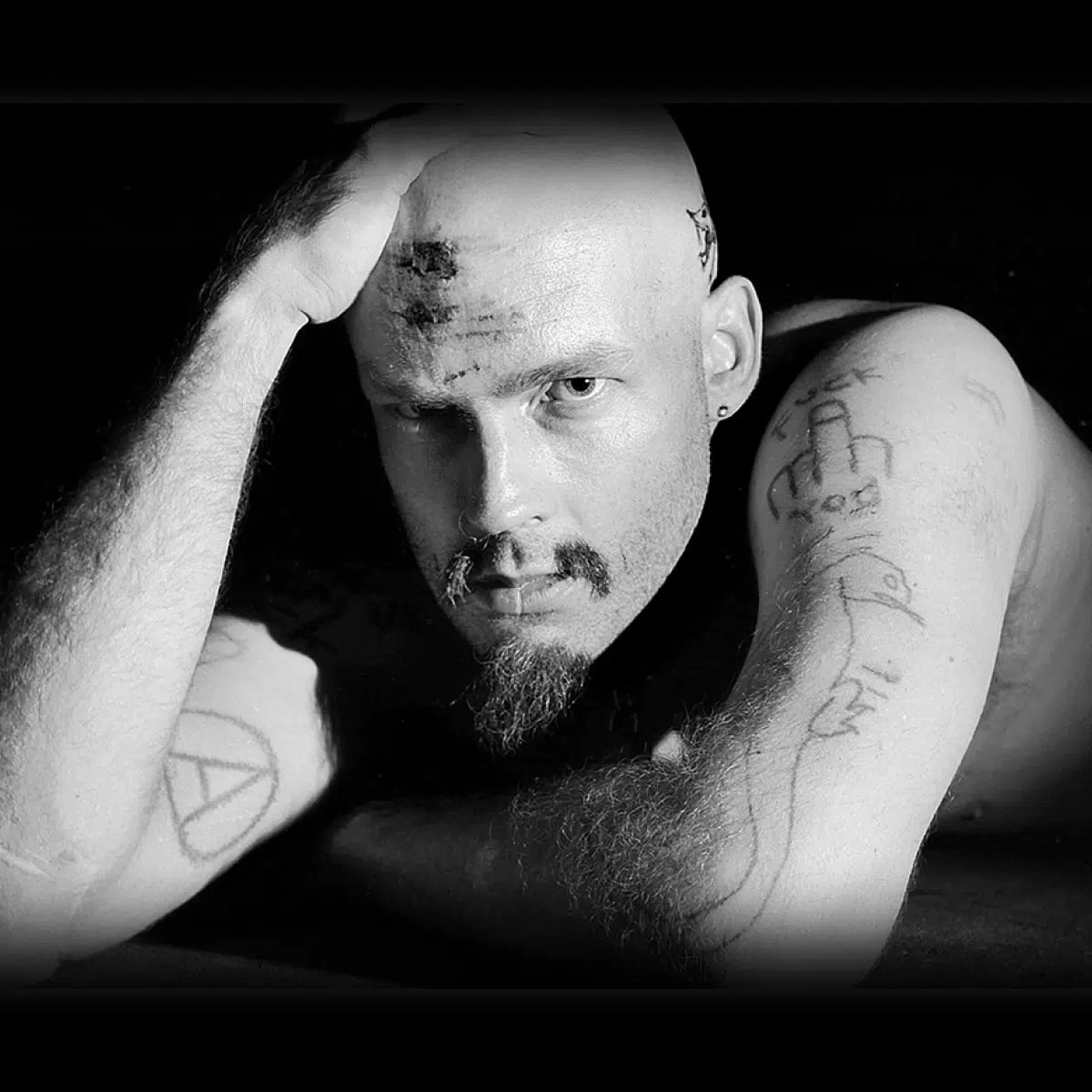
| 30 Quotes | |
| Born as | Jesus Christ Allin |
| Known as | Kevin Michael Allin |
| Occup. | Musician |
| From | USA |
| Born | August 29, 1956 Lancaster, New Hampshire, United States |
| Died | June 28, 1993 New York City, New York, United States |
| Cause | heroin overdose |
| Aged | 36 years |
| Cite | |
Citation Formats
APA Style (7th ed.)
Gg allin biography, facts and quotes. (2026, February 11). FixQuotes. https://fixquotes.com/artists/gg-allin/
Chicago Style
"GG Allin biography, facts and quotes." FixQuotes. February 11, 2026. https://fixquotes.com/artists/gg-allin/.
MLA Style (9th ed.)
"GG Allin biography, facts and quotes." FixQuotes, 11 Feb. 2026, https://fixquotes.com/artists/gg-allin/. Accessed 12 Feb. 2026.
Early Life and Background
GG Allin was born Jesus Christ Allin on August 29, 1956, in Lancaster, New Hampshire, to Merle and Arleta Allin. His father, later described by family members as violent and apocalyptic in his religiosity, cultivated an atmosphere of fear, deprivation, and incessant judgment that imprinted itself on the boys. The name itself - equal parts blasphemy and prophecy - became the first myth Allin had to live inside, and he spent his life alternately mocking and feeding that myth, as if identity were a dare.When the family left the rural isolation of New Hampshire, the young Allin carried both resentment and a hunger for notoriety. He gravitated toward noise, confrontation, and the emotional clarity of being disliked. Early brushes with authority hardened into a self-concept built on conflict: the more he was policed, the more he treated deviance as proof of existence. Long before he became infamous, he was learning that shock could function as armor, and that public disgust could be converted into a kind of attention that felt like power.
Education and Formative Influences
Allin drifted through school with little patience for institutional discipline, working low-wage jobs and pursuing music with a fixation that outpaced formal training. He entered adolescence as American culture shifted from late-1960s idealism into 1970s cynicism, where glam, hard rock, and then punk offered scripts for reinvention. In that climate, he absorbed punk less as a style than as permission: to be raw, to be poor on purpose, to treat performance as confrontation, and to make the body itself part of the message.Career, Major Works, and Turning Points
He began as a drummer and moved to frontman, emerging from the Northeast scene in the late 1970s with bands including the Jabbers and, later, GG Allin and the Murder Junkies. Records like Always Was, Is and Always Shall Be, Freaks, Faggots, Drunks & Junkies, and the notorious live-era material that followed captured a blunt, street-level punk vocabulary, but it was the shows that defined him: self-mutilation, assaultive stagecraft, and arrests that became part of the brand. By the late 1980s and early 1990s he had turned concerts into endurance rituals, insisting on ever-greater extremity while cultivating a small, fervent audience and a larger cloud of tabloid horror. He died of a heroin overdose on June 28, 1993, in New York City, hours after a final show - a death that sealed the persona he had been authoring in real time.Philosophy, Style, and Themes
Allin framed his life as a war with himself, and his art as evidence from the battlefield: "My demons, inner strengths and physical battles have guided me through life". That sentence is less confession than operating manual. He treated pain as currency and humiliation as spectacle, turning the punk stage into a public trial where he could prosecute the audience for voyeurism while simultaneously feeding it. His extremity was not merely hedonism; it was a theology of exposure, a belief that civilization is a thin costume and that the performer should tear it off - first from himself, then from everyone watching.His rhetoric insisted on singularity and refusal of lineage: "I don't have any influences, any heroes, it's just me". Psychologically, this reads like a defensive absolutism, a way to deny dependency and shame by declaring total authorship. He described the engine of his performances as an internal pressure that demanded release: "There's such a fierce intense fire burning inside of me, so much that it just wants to explode". The result was a style built on abrasion - simple chord progressions, shouted hooks, obscene humor, and a willingness to collapse the boundary between song and incident. If conventional rock sold rebellion as theater, Allin tried to make the theater real enough to leave bruises, not as metaphor but as proof.
Legacy and Influence
Allin remains a litmus test: to some, an avatar of punk authenticity taken to suicidal conclusion; to others, an abuser who hid behind performance and confused cruelty with candor. His influence is less musical than conceptual, shaping how later underground scenes debate the ethics of transgression, consent, and spectacle, and how shock is commodified once cameras arrive. Documentaries, bootlegs, and endless retellings have turned him into a cautionary fable about addiction and self-mythmaking, but also into a grim mirror held up to audiences who claim to want danger in art until it stops behaving like entertainment.Our collection contains 30 quotes written by GG, under the main topics: Witty One-Liners - Ethics & Morality - Dark Humor - Mortality - Music.
Source / external links