
Grant Tinker Biography Quotes 2 Report mistakes
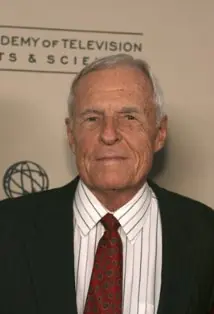
| 2 Quotes | |
| Born as | Grant Almerin Tinker |
| Occup. | Musician |
| From | USA |
| Born | January 11, 1925 Stamford, Connecticut |
| Age | 101 years |
Grant Almerin Tinker was born in the United States and came of age in the years around the Great Depression and World War II. He would become known not as a musician, but as one of the most influential American television executives of the late 20th century. Raised in the Northeast, he developed a measured, collaborative style that later defined his leadership in television. Those who worked with him often noted his calm, disciplined demeanor and his belief that quality was the surest route to commercial success.
Entry Into Television
Tinker entered the television business as the medium was maturing from a novelty into a national habit. He learned network culture from the inside, developing relationships with writers, producers, and talent while gaining a reputation as a deft manager who understood both creative ambition and business constraints. By the 1960s he was a trusted figure in the industry, known for hiring well and then giving people room to do their best work. That philosophy, which he carried through the rest of his career, distinguished him from more heavy-handed executives of the era.
MTM Enterprises and a New Model of Creative Freedom
In 1969, Tinker and his then-wife, actor Mary Tyler Moore, co-founded MTM Enterprises. The company quickly became synonymous with writer-driven, character-rich series. The Mary Tyler Moore Show, created by James L. Brooks and Allan Burns and starring Moore alongside Ed Asner, Valerie Harper, Ted Knight, Betty White, and others, set a template for sophisticated comedy. Under Tinker, MTM let creators build ensembles and stories with unusual nuance and workplace realism, and the company spun that success into a slate of shows with enduring cultural weight: Rhoda and Phyllis extended the Mary Tyler Moore universe; The Bob Newhart Show blended urbane wit with grounded situations; WKRP in Cincinnati mined newsroom life for comedy; and Lou Grant transformed Asner's character into the anchor of a serious newspaper drama.
MTM also moved into groundbreaking drama. Steven Bochco and his colleagues pushed narrative complexity and ensemble storytelling on Hill Street Blues, which redefined the possibilities of network drama. With series like St. Elsewhere, developed by creative teams including Joshua Brand and John Falsey, MTM supported risk-taking that rewarded audiences with layered, serialized storytelling at a time when most network television favored tidy episodic formats. Tinker's role was to champion creators, secure resources, and shield production from undue interference.
Chairman of NBC: A Turnaround
In 1981, Tinker became chairman and chief executive of NBC, a network then struggling in third place. He recruited and empowered programming leadership, most notably Brandon Tartikoff, to build a schedule grounded in distinctive voices and high standards. During Tinker's tenure, NBC surged with a portfolio that included The Cosby Show, Cheers, Family Ties, Hill Street Blues, and other series that signaled a network rediscovering its identity. Tinker was not the writer or the star of those programs, but he was the executive who set the tone: hire exceptional people, aim high, and give them support.
His stewardship coincided with shifting corporate realities. In 1986, General Electric acquired NBC's parent company, and soon after Tinker stepped down. By then, the network's momentum was clear, and many of the executives and producers he backed continued to define NBC for years.
Later Ventures
After NBC, Tinker pursued independent production, including a partnership that formed GTG Entertainment with Gannett. The venture did not match MTM's staying power and was eventually shuttered, a reminder that even the most seasoned executives rely on a delicate balance of timing, distribution, and creative luck. Tinker remained an influential mentor and adviser, his phone calls and lunches valued by producers and network leaders who sought his clear-eyed perspective on how to match creative ambition with audience needs.
Personal Life
Tinker's personal and professional lives intersected in visible ways. His marriage to Mary Tyler Moore was central to MTM's creation and success, and the two remained linked in the public imagination long after their divorce. Earlier, he had married Ruth Byerly, with whom he had four children; among them, Mark Tinker and John Tinker followed their father into television as respected producer-directors and writer-producers. Later in life he married Brooke Knapp, a businesswoman and record-setting pilot. Those closest to him described a private man who preferred to celebrate colleagues rather than stand in the spotlight himself.
Leadership Style and Influence
Tinker's legacy rests less on any single show than on a set of principles. He believed that writers and producers like James L. Brooks, Allan Burns, Steven Bochco, and their collaborators did their best work when executives offered trust, clarity, and protection. He prized casting that felt truthful and ensembles that could sustain seasons of growth. He valued tone as much as premise and insisted that a show's voice was a delicate instrument to be handled by its creators, not blunted by committee notes.
At NBC, his partnership with Brandon Tartikoff demonstrated how a chairman could set high expectations without strangling creativity. The result was a run of series whose characters became household names, from barflies in Cheers led by Ted Danson to the Huxtables in The Cosby Show, as well as ambitious dramas that won critical acclaim. Many younger executives, including those who later led major networks, adopted Tinker's approach: pick strong storytellers, align the network around them, and measure success by quality first.
Legacy
Grant Tinker is remembered as a builder of institutions and a steward of talent. MTM's logo, a playful meowing cat, became shorthand for a brand of television that treated audiences like adults and writers like artists. NBC's resurgence in the 1980s showed that a broadcast network could climb from the cellar by betting on distinctiveness rather than imitation. He nurtured careers and championed work that won awards and, more importantly, earned enduring affection from viewers.
He lived to see his contribution acknowledged across the industry, with peers and proteges alike citing his integrity and taste. The people around him, Mary Tyler Moore at MTM, Brandon Tartikoff at NBC, and creators including Brooks, Burns, and Bochco, were not just colleagues but the community he built. Through them, and through the shows they made under his protection, Tinker reshaped American television and left a template for executive leadership that remains influential to this day.
Our collection contains 2 quotes who is written by Grant, under the main topics: Motivational - Management.
Source / external links