
Harry Chapin Biography Quotes 7 Report mistakes
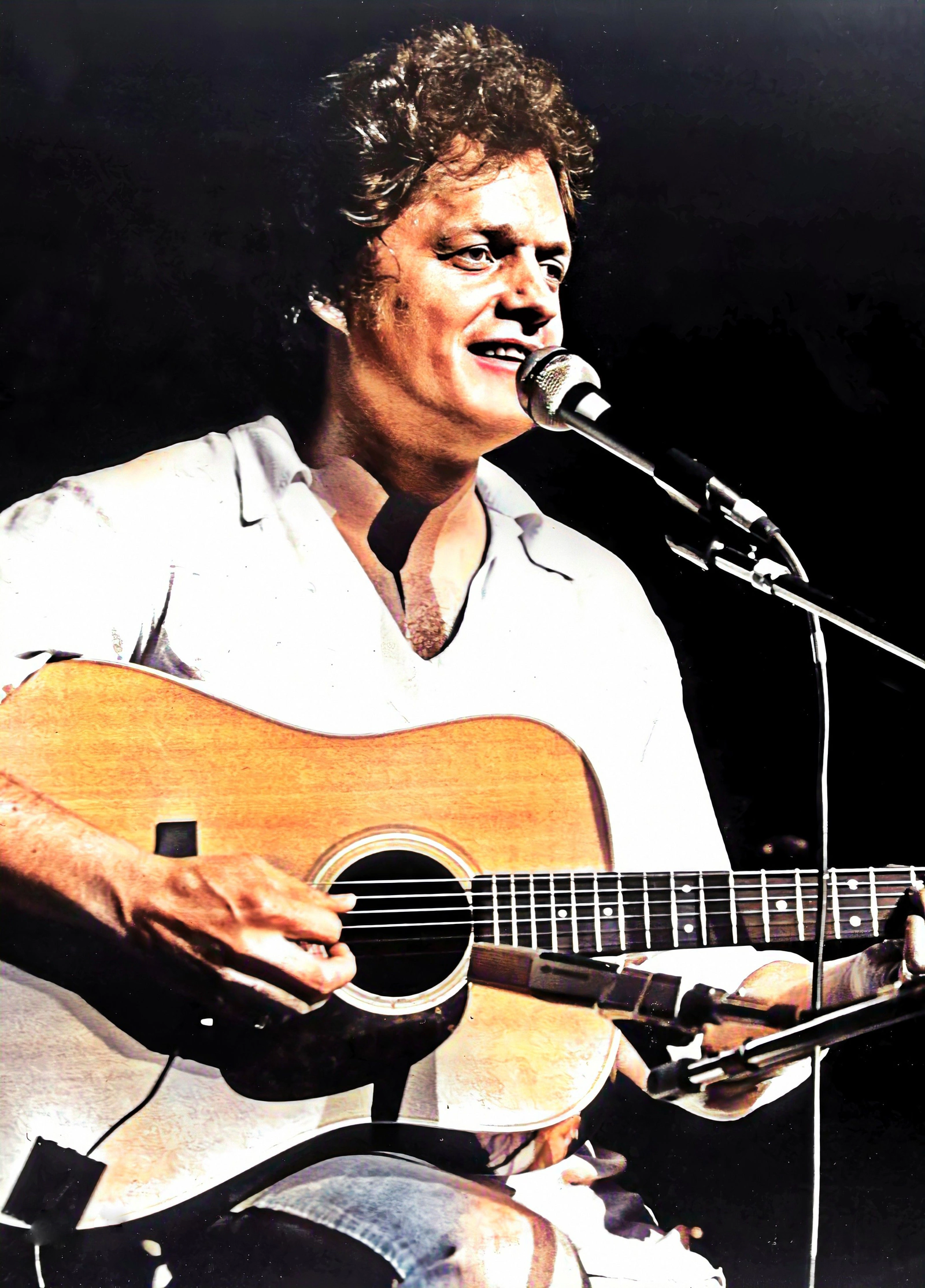
| 7 Quotes | |
| Born as | Harry Forster Chapin |
| Occup. | Musician |
| From | USA |
| Spouse | Sandra Chapin |
| Born | December 7, 1942 Brooklyn, New York, USA |
| Died | July 16, 1981 Jericho, New York, USA |
| Cause | Car accident |
| Aged | 38 years |
| Cite | |
Citation Formats
APA Style (7th ed.)
Harry chapin biography, facts and quotes. (2026, February 27). FixQuotes. https://fixquotes.com/artists/harry-chapin/
Chicago Style
"Harry Chapin biography, facts and quotes." FixQuotes. February 27, 2026. https://fixquotes.com/artists/harry-chapin/.
MLA Style (9th ed.)
"Harry Chapin biography, facts and quotes." FixQuotes, 27 Feb. 2026, https://fixquotes.com/artists/harry-chapin/. Accessed 25 Mar. 2026.
Early Life and Background
Harry Forster Chapin was born on December 7, 1942, in New York City, into a family where art, argument, and social conscience were daily weather. His father, Jim Chapin, was a revered jazz drummer whose discipline and touring life made music feel less like glamour than craft; his mother, Elspeth, was a singer and painter. The household produced not only Harry but also a future poet, filmmaker, and activist in his brother Tom Chapin, and it raised Harry with the sense that performance carried obligations beyond applause.Chapin came of age in the postwar Northeast as America moved from the optimism of the 1950s into the fracture lines of the 1960s. Folk clubs, civil-rights organizing, and the Vietnam era's moral pressure formed the background hum of his adulthood. Even before fame, he was drawn to narratives about ordinary people trapped between work, family, and desire - the kinds of lives rarely centered in pop culture but frequently measured, in private, for their meaning.
Education and Formative Influences
He attended Brooklyn College but did not settle into a conventional academic path, gravitating instead toward the practical apprenticeship of making things: films, songs, and ensembles. Early work in documentary filmmaking sharpened his eye for lived detail and pacing - skills that would later make his songs feel like short stories with a moral heartbeat. The folk revival, the tradition of topical songwriting, and the family standard of musicianship provided the scaffolding; the era's widening social conscience supplied the urgency.Career, Major Works, and Turning Points
Before he became a fixture on FM radio, Chapin worked as a filmmaker, earning an Academy Award nomination for the documentary "Legendary Champions" (1968), a project that taught him how to build tension, character, and payoff. Music became his primary vehicle in the early 1970s: "Taxi" broke through in 1972 and announced his signature form - cinematic storytelling over folk-pop arrangements. "Sniper and Other Love Songs" (1972) and "Verities and Balderdash" (1974) deepened his reputation, the latter propelled by "Cat's in the Cradle", a generational parable that lodged in American memory. As touring and activism intensified, so did the strain: he played relentlessly, used fame as leverage for causes, and treated the stage as a civic pulpit. Chapin died on July 16, 1981, in a car crash on the Long Island Expressway, cutting short a career still expanding in reach and ambition.Philosophy, Style, and Themes
Chapin wrote as if songs were trial evidence. His narrators speak in concrete scenes - a cab ride, a kitchen table, a roadside stop - and the cumulative effect is moral accounting. Unlike many singer-songwriters who turned inward for confession, Chapin turned outward to measure the costs of neglect, the seductions of escape, and the quiet heroism of staying. His recurring subject is time: how it slips through affection, parenting, and conscience until a life is suddenly unrecognizable. The songs rarely end with triumph; they end with recognition, which for him was the first step toward repair.Under the stories ran a blunt psychology of appetite and responsibility. “I am a greedy, selfish bastard. I want the fact that I existed to mean something”. That self-indictment explains both his drive and his restlessness: the fear of insignificance became fuel for work, for giving, for pushing the audience to feel implicated rather than entertained. He distrusted motion without transformation - “But you can travel on for ten thousand miles, and still stay where you are”. And he treated action as a moral reflex, not a mood: “When in doubt, do something”. In Chapin's universe, meaning was not found; it was made, paid for, and defended against the easy drift of comfort.
Legacy and Influence
Chapin's influence endures less through stylistic imitation than through permission: he proved that a mainstream musician could foreground narrative, ethics, and civic work without surrendering craft. His storytelling model helped normalize the song as miniature cinema for later singer-songwriters, while "Cat's in the Cradle" remains a cultural shorthand for the generational bargain between ambition and presence. Beyond the catalogue, his activism - especially his hunger-relief work and insistence that celebrity should be spent like currency on the public good - left an example that artists still cite when they try to connect touring, fundraising, and policy. His life reads as a single argument: that attention is finite, time is moral, and a song can be both a mirror and a lever.Our collection contains 7 quotes written by Harry, under the main topics: Motivational - Meaning of Life - Romantic - Journey - Wanderlust.
Source / external links