
Herbie Hancock Biography Quotes 35 Report mistakes
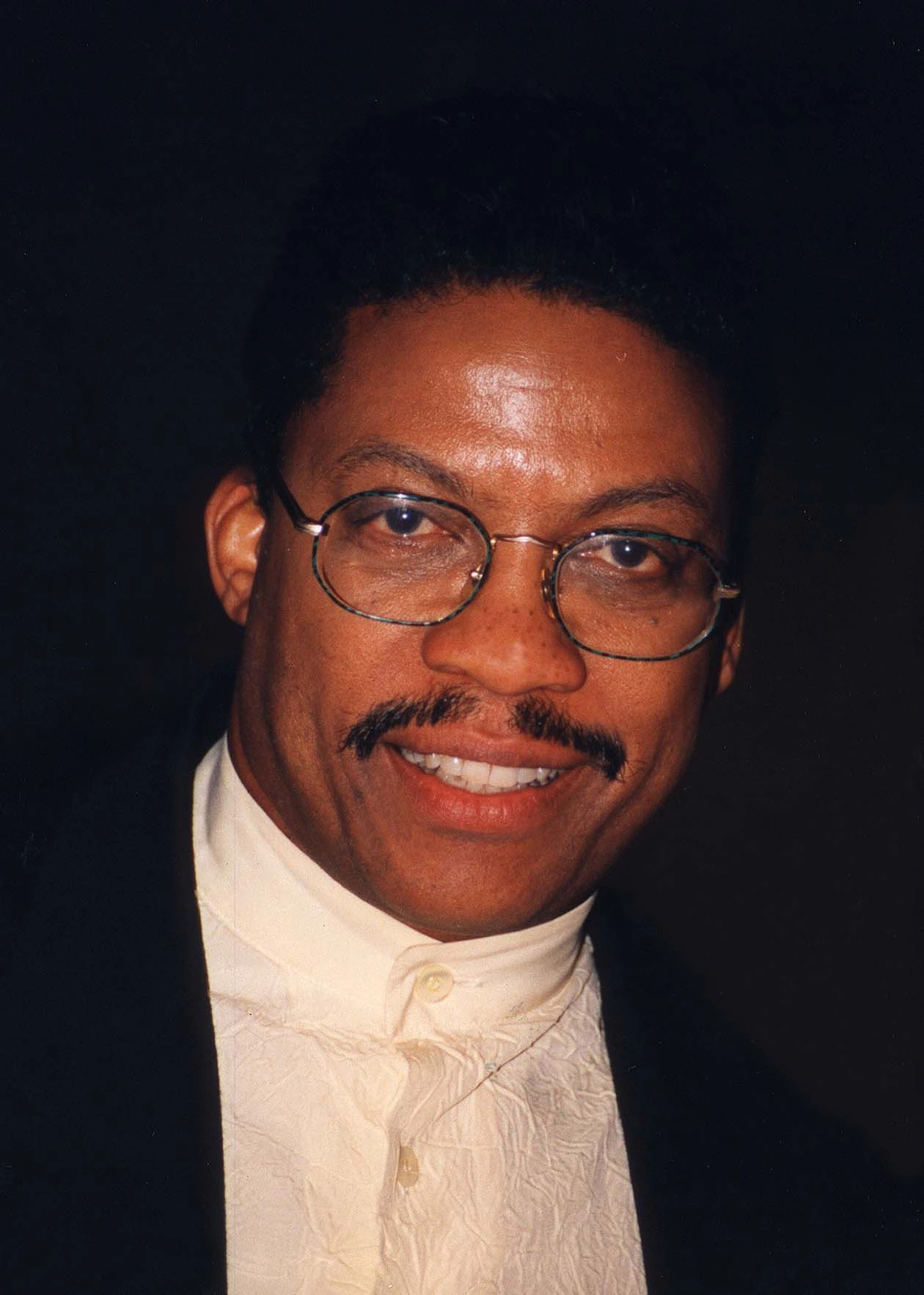
Attr: John Mathew Smith, CC BY-SA 2.0
| 35 Quotes | |
| Occup. | Musician |
| From | USA |
| Born | April 12, 1940 |
| Age | 85 years |
| Cite | |
Citation Formats
APA Style (7th ed.)
Herbie hancock biography, facts and quotes. (2026, February 11). FixQuotes. https://fixquotes.com/artists/herbie-hancock/
Chicago Style
"Herbie Hancock biography, facts and quotes." FixQuotes. February 11, 2026. https://fixquotes.com/artists/herbie-hancock/.
MLA Style (9th ed.)
"Herbie Hancock biography, facts and quotes." FixQuotes, 11 Feb. 2026, https://fixquotes.com/artists/herbie-hancock/. Accessed 25 Mar. 2026.
Early Life and Background
Herbert Jeffrey Hancock was born April 12, 1940, in Chicago, Illinois, into a Black middle-class family shaped by the Great Migration's aftershocks and the city's dense musical ecology. Chicago in the 1940s and 1950s offered both constraint and possibility: segregated realities alongside a thriving South Side nightlife, church traditions, and an improvising culture that treated swing, blues, and bebop as living languages. Hancock grew up hearing the radio as a kind of second classroom, absorbing the elegance of Nat King Cole, the propulsion of Charlie Parker, and the harmonic daring that would later become his home terrain.A childhood steeped in discipline helped make his future risk-taking possible. He studied piano seriously and performed with precocious poise, including a widely noted early appearance with the Chicago Symphony Orchestra as a boy. Yet the myth of effortless genius never fit his own self-understanding; he tended to describe his development as work, curiosity, and environment rather than destiny. That mixture - rigorous technique, early public pressure, and a refusal to be boxed in - became a durable psychological engine: the need to keep proving that growth mattered more than labels.
Education and Formative Influences
Hancock attended Hyde Park High School and entered Grinnell College in Iowa, initially pursuing engineering before shifting toward music, a pivot that mirrored the early-1960s American faith in both science and art. In college he sharpened classical skills while deepening his jazz vocabulary, studying harmony and voicing with an analytical mind that never stopped asking how music is built. Returning to Chicago's scene, he connected with working musicians and, crucially, with trumpeter Donald Byrd, who became a mentor and conduit into the national jazz circuit and New York's recording world.Career, Major Works, and Turning Points
Hancock's recording breakthrough came with Blue Note: "Takin' Off" (1962) introduced him as a composer with pop instinct and modernist harmony, and "Watermelon Man" became a crossover standard. He soon joined Miles Davis' Second Great Quintet (1963-1968) with Wayne Shorter, Ron Carter, and Tony Williams, a band that redefined time, form, and interactive improvisation; Hancock's comping and reharmonizations turned the piano into a steering wheel for collective risk. After leaving Miles, he broadened into funk, rock, electronics, and film, leading the Mwandishi group ("Mwandishi", 1971; "Crossings", 1972) and then the more groove-centered Headhunters era ("Head Hunters", 1973; "Thrust", 1974), helping set the template for jazz-funk. His 1983 hit "Rockit" made turntablism and synth textures mainstream, while his long arc included major film scoring (notably "Round Midnight", for which he won an Oscar), acoustic returns, and high-profile collaborations that treated genre as a starting point, not a border.Philosophy, Style, and Themes
Hancock's inner life reads as a sustained practice of openness under pressure. Even when marketed as a prodigy, he resisted that frame: “Nobody told me I was a child prodigy”. The line is revealing not as false modesty but as a clue to his self-concept - he thinks in terms of process, not entitlement, and that makes him unusually willing to start over publicly. Onstage and in the studio, that temperament becomes a musical ethic: porous to surprise, comfortable with ambiguity, and alert to the social dimension of sound.His style joins precise architecture to real-time invention: luminous voicings, elastic time feel, and a composerly sense of narrative, whether in the airy modernism of the 1960s or the thick, danceable synth-bass of the 1970s. At the center is an insistence that jazz is a method of being, not merely a repertoire: “The spirit of jazz is the spirit of openness”. That openness extends to technology, where he treats machines as instruments but not authorities, and to community, where improvisation becomes a model for listening across difference. He also ties art to moral and civic stakes - “Music is the tool to express life - and all that makes a difference”. - which helps explain why his most radical moves often arrive with an inviting groove: he wants experimentation to remain human-scaled, communicative, and lived.
Legacy and Influence
Hancock stands as one of the decisive architects of post-bop piano, a chief engineer of the Miles Davis 1960s revolution, and a bridge-builder who made fusion, funk, hip-hop, and electronic timbres part of jazz's mainstream vocabulary without surrendering improvisational rigor. His compositions ("Cantaloupe Island", "Maiden Voyage", "Chameleon") function as standards for multiple generations, and his example legitimized curiosity as a career-long mandate: to keep updating the sound without breaking the line back to swing, blues, and song. Beyond the notes, his influence is cultural - a model of the modern musician as collaborator, technologist, and listener - proving that reinvention can be a form of fidelity to the deepest values of the music.Our collection contains 35 quotes written by Herbie, under the main topics: Motivational - Wisdom - Music - Leadership - Meaning of Life.
Other people related to Herbie: Thelonious Monk (Musician), Norah Jones (Musician), Miroslav Vitous (Musician), Bill Laswell (Musician), Freddie Hubbard (Musician), Bobby McFerrin (Musician), Dave Holland (Musician), Chick Corea (Musician), Sam Rivers (Musician)
Source / external links