
Ike Turner Biography Quotes 20 Report mistakes
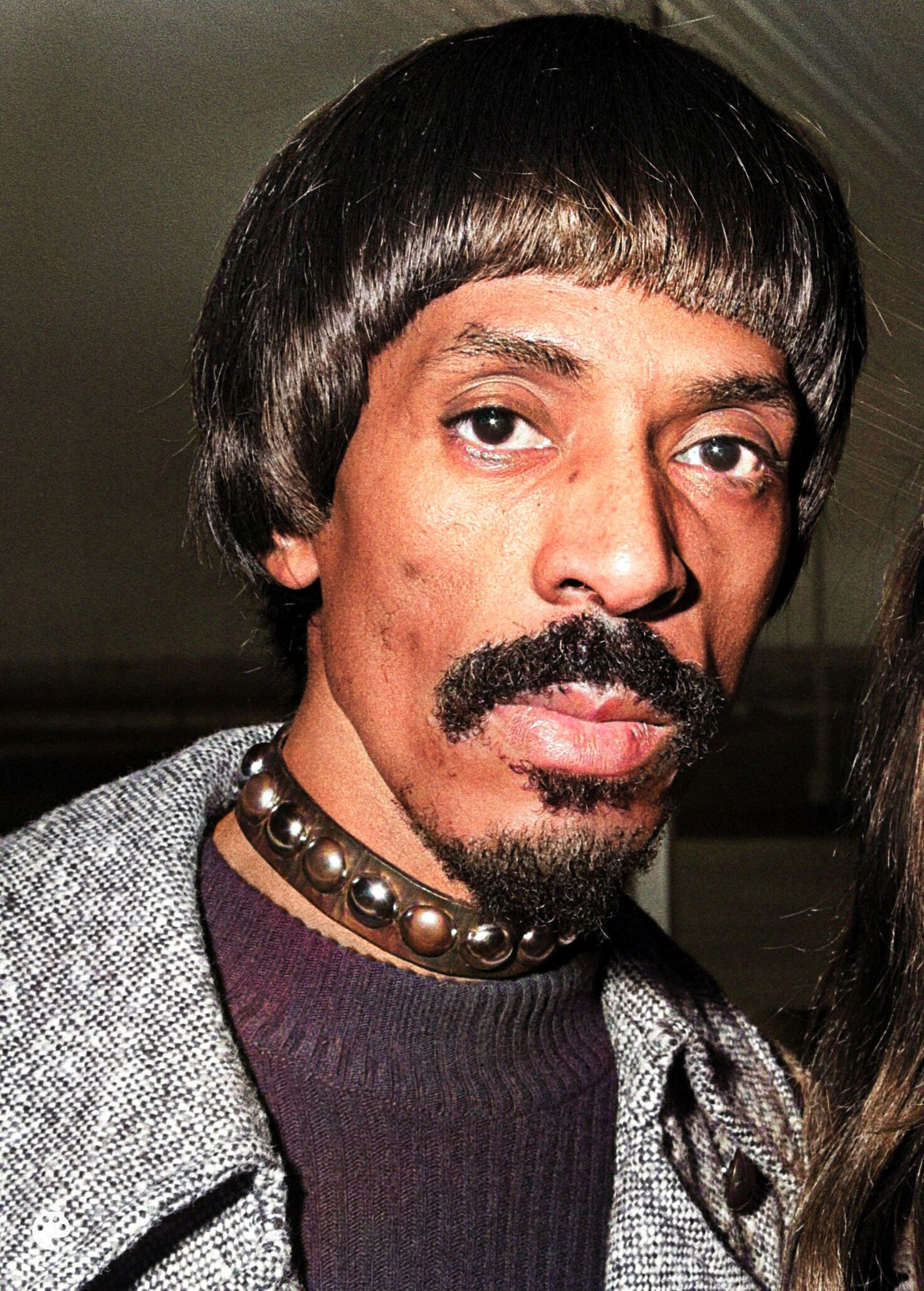
Attr: Rob Mieremet, CC0
| 20 Quotes | |
| Born as | Izear Luster Turner Jr. |
| Known as | Ike Wister Turner |
| Occup. | Musician |
| From | USA |
| Spouse | Tina Turner (1962-1978) |
| Born | November 5, 1931 Clarksdale, Mississippi, USA |
| Died | December 12, 2007 San Marcos, California, USA |
| Cause | Cocaine overdose |
| Aged | 76 years |
| Cite | |
Citation Formats
APA Style (7th ed.)
Ike turner biography, facts and quotes. (2026, February 11). FixQuotes. https://fixquotes.com/artists/ike-turner/
Chicago Style
"Ike Turner biography, facts and quotes." FixQuotes. February 11, 2026. https://fixquotes.com/artists/ike-turner/.
MLA Style (9th ed.)
"Ike Turner biography, facts and quotes." FixQuotes, 11 Feb. 2026, https://fixquotes.com/artists/ike-turner/. Accessed 27 Mar. 2026.
Early Life and Background
Izear Luster Turner Jr. was born on November 5, 1931, in Clarksdale, Mississippi, a Delta railroad town where Saturday-night music and weekday labor lived side by side. His childhood ran through the tensions of Jim Crow as well as the practical discipline of working-class Black life, with the sound of blues, gospel, and juke-joint R and B shaping his ear as surely as the heat and dust shaped the streets. Clarksdale was close enough to the mythic plantations of blues lore to make the music feel like a local language, not a museum artifact.As a teenager he absorbed the unwritten rules of a musician's economy - who had a guitar, who had a car, who could read changes, who could keep time. He learned early that talent alone was not leverage, and that the South's racial order often made paperwork optional until it suddenly mattered. That mixture of ambition and vulnerability would follow him into every label negotiation, every credit dispute, and every attempt to control the narrative of his own life.
Education and Formative Influences
Turner did not emerge from conservatories but from the Delta's informal conservatory: bandstands, rehearsals, and record players. He studied how jump blues could swing like jazz, how a guitar could answer a horn line, and how a bandleader could turn a loose collection of players into a machine. By his late teens he was already a working musician and organizer, drawn to the new electricity of postwar rhythm and blues and to the possibilities of recording - the idea that a performance could be fixed, sold, and replayed anywhere.Career, Major Works, and Turning Points
Turner's first era of major impact arrived with the Kings of Rhythm and the 1951 recording of "Rocket 88", cut in Memphis and long argued as an early rock-and-roll landmark; it also previewed a lifelong pattern in which his arranging and bandleading outpaced the credit he received. He became a key figure in the St. Louis music scene, working as a talent scout, session musician, songwriter, and producer, sharpening a hard, percussive approach to R and B. In the 1960s he formed the Ike and Tina Turner Revue with Tina Turner, building one of the era's fiercest live acts and scoring hits including "A Fool in Love", "It's Gonna Work Out Fine", and the later triumph of "Proud Mary". Their success traveled from the chitlin circuit to mainstream television and rock stages, yet the partnership curdled into public allegations of abuse and a bitter split in the mid-1970s that recast him, for many audiences, as a cautionary figure rather than a creator. In later decades he continued recording and touring in smaller circles, winning a Grammy for "Risin' with the Blues" (2006) and living long enough to see partial reassessment of his musicianship before his death on December 12, 2007, in San Marcos, California.Philosophy, Style, and Themes
Turner's inner life, as glimpsed in interviews and late-career reflections, often sounded like a man trying to separate the musician from the wreckage of his reputation. He could be bluntly fatalistic about the past: “I'm not gonna try to defend, or undo what's been done. All I could say about whatever's been done, it's been done, and it's water under the bridge. I have no regrets of my life”. Read psychologically, that sentence is both armor and confession - a refusal to re-litigate pain, but also a strategy to keep control by closing the book. It suggests a temperament that prized forward motion, the same drive that made him relentless in rehearsal and ruthless in arranging, now repurposed as emotional containment.His musical identity, meanwhile, stayed concrete and tactile, grounded in tools rather than theory or mythmaking. “I still play Strat, I don't know nothing else. Strats and Telecasters”. That practical devotion mirrors his sound: clipped, rhythmic guitar that locked to drums and horns, turning blues into a disciplined engine for dancers. Even late in life he framed innovation as obligation rather than branding, pushing against genre stagnation: “When I listen to the blues today, it's like they all sounds similar. I wanna do something different, to try to add to the blues flavor”. The theme across his work is control - of groove, of stagecraft, of arrangement - paired with the paradox that control in music did not translate into control in life, where addiction, conflict, and public judgment steadily narrowed his options.
Legacy and Influence
Turner's legacy is permanently double-exposed: on one layer, a foundational architect of early rock-and-roll energy and a master bandleader whose arrangements, guitar feel, and studio instincts helped define modern R and B performance; on the other, a public symbol of harm that reshaped how his achievements are heard and taught. Still, his fingerprints remain in the tight, dance-driven grammar of soul revues, in the argument over "Rocket 88" and rock's origins, and in the example of a musician who treated the bandstand as both laboratory and battleground. The enduring influence is not a clean redemption story but a historical fact: many later artists borrowed his velocity, his precision, and his sense that a song becomes immortal only when it hits like a live show.Our collection contains 20 quotes written by Ike, under the main topics: Music - Resilience - Equality - Movie - Legacy & Remembrance.
Other people related to Ike: Little Milton (Musician)
Frequently Asked Questions
- How old was Ike Turner when he met Tina? Ike Turner was 27 years old when he met Tina in 1957.
- What was Ike Turner net worth at death? Ike Turner's net worth at the time of his death in 2007 was estimated to be around $500,000.
- Who is Ike Turner Jr? Ike Turner Jr is the son of Ike Turner and his first wife, Lorraine Taylor.
- How many wives did Ike Turner have? Ike Turner was married at least four times, including his most famous marriage to Tina Turner.
- What happened to Ike Turner after Tina left him? Ike Turner faced financial difficulties, drug addiction, legal issues, and a decline in his music career after Tina left him.
- How old was Ike Turner? He became 76 years old
Source / external links