
Jacqueline du Pre Biography Quotes 4 Report mistakes
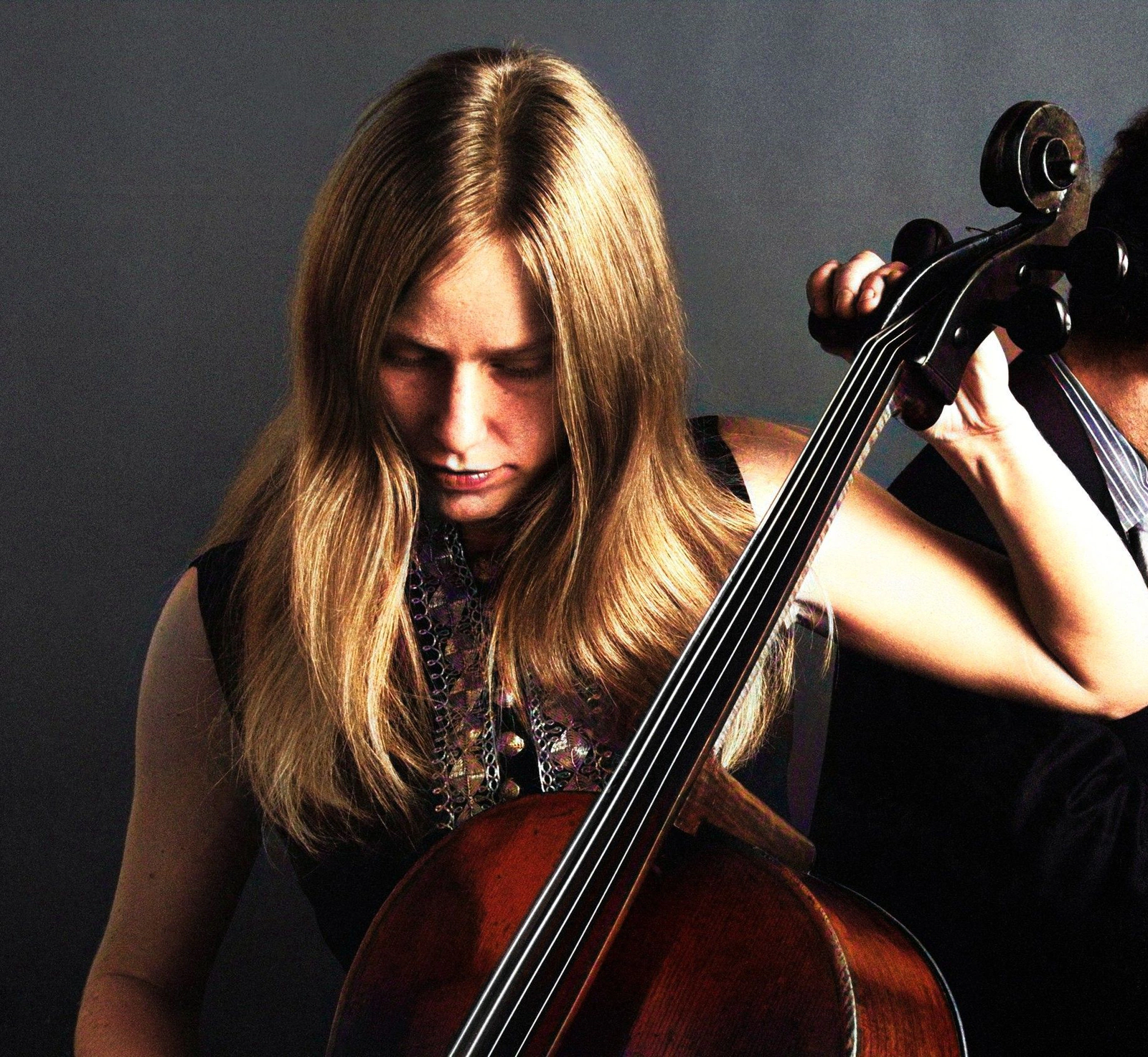
| 4 Quotes | |
| Born as | Jacqueline Mary du Pré |
| Occup. | Musician |
| From | United Kingdom |
| Spouse | Daniel Barenboim |
| Born | January 26, 1945 Oxford, England, United Kingdom |
| Died | October 19, 1987 London, England, United Kingdom |
| Cause | Multiple sclerosis |
| Aged | 42 years |
| Cite | |
Citation Formats
APA Style (7th ed.)
Jacqueline du pre biography, facts and quotes. (2026, February 11). FixQuotes. https://fixquotes.com/artists/jacqueline-du-pre/
Chicago Style
"Jacqueline du Pre biography, facts and quotes." FixQuotes. February 11, 2026. https://fixquotes.com/artists/jacqueline-du-pre/.
MLA Style (9th ed.)
"Jacqueline du Pre biography, facts and quotes." FixQuotes, 11 Feb. 2026, https://fixquotes.com/artists/jacqueline-du-pre/. Accessed 5 Mar. 2026.
Early life and family
Jacqueline Mary du Pre was born on 26 January 1945 in Oxford, England. She grew up in a household where music was central, guided especially by her mother, Iris du Pre, a music teacher who encouraged both Jacqueline and her sister Hilary to pursue instruments from a young age. Her father, Derek du Pre, supported their education and the demanding family schedule that accompanies serious musical study. The du Pre children learned quickly, and Jacqueline gravitated almost immediately to the cello, finding in its voice a character that matched her expressive instincts. Her brother, Piers, and sister, Hilary, remained important figures throughout her life, with Hilary later writing about the family in a memoir that brought renewed attention to Jacqueline's story.Training and artistic formation
From childhood, Jacqueline advanced with unusual speed. Early lessons opened the way to instruction with William Pleeth, the teacher who shaped her foundational approach to the instrument. Pleeth nurtured not only her technique but also her imagination and her sense of musical narrative, encouraging her to treat phrase and tone as living elements rather than fixed exercises. As a young teenager she began to appear in recital, and critics quickly took note of her sound: a rounded, singing tone with a wide, vibrant expressiveness that could move from whispered intimacy to searing intensity. Periods of study and masterclasses with notable artists, including Paul Tortelier and Pablo Casals, and encounters with Mstislav Rostropovich, further widened her perspective and challenged her sense of what the cello could do on stage. By the end of her teens she had already established herself as a major British talent.Rise to international prominence
The first half of the 1960s saw an unusually swift ascent. Orchestras in London and across Europe programmed her in concerto appearances, while major labels documented her growing repertoire. Her interpretations often had a feeling of spontaneity driven by inner conviction, and audiences responded. The pinnacle of her early career arrived with the Edward Elgar Cello Concerto in E minor, a work with which she would be eternally associated. Her recording with Sir John Barbirolli and the London Symphony Orchestra, released in the mid-1960s, became a touchstone for listeners and players alike, prized for its combination of youthful ardor and structural command. Even as she expanded into Romantic and classical staples, many felt she had brought the Elgar back to the center of the cello repertory, offering a reading that honored the score's elegy and volatility without mannerism.Artistry and repertoire
Jacqueline du Pre's playing was frequently described as intensely communicative. She favored a generous vibrato, and her phrasing could surge or relax with a keen sense of vocal line. Reviewers wrote of the way she articulated harmonic turning points and of her instinct for color, from a burnished low register to a gleaming upper voice. She excelled in the concertos of Elgar and Schumann and explored Dvorak, Saint-Saens, and Haydn with equal curiosity, while returning often to the sonatas and chamber music of Beethoven and Brahms. She could make a line feel newly minted, yet her spontaneity was anchored in a well-grounded technique and in a close reading of the text, a balance cultivated with Pleeth and deepened by contact with elder masters of the instrument.Collaborations, marriage, and musical circle
In 1967 she married the pianist and conductor Daniel Barenboim. Their partnership was both personal and professional; together they toured widely, performed sonatas, and appeared in concerto settings in which Barenboim sometimes conducted. Their circle of friends included several of the era's leading young virtuosi, among them violinist Itzhak Perlman, violist and violinist Pinchas Zukerman, and conductor Zubin Mehta. A much-loved example of this circle's chemistry is the filmed performance of Schubert's Trout Quintet, in which Barenboim, du Pre, Perlman, Zukerman, and Mehta combine technical flair with a sense of chamber-music playfulness. Conductors such as Sir John Barbirolli were central to her orchestral work, and she was welcomed by major ensembles in Britain, Europe, and North America. Though often surrounded by friends and colleagues, she kept returning to the mentors who shaped her early path: William Pleeth remained an essential influence, while the broader lineage of Tortelier, Casals, and Rostropovich informed her evolving ideals of cello sound and musicianship.Public image and working life
Her stage presence contributed to her impact. Audiences remembered the physical immediacy of her bow strokes, the toss of her hair as phrases crested, and the sense that each performance was a risk undertaken in the moment. She was a compelling communicator in rehearsal as well, often focusing on the architecture of a movement rather than its surface effects. Recordings and televised concerts brought her to a wider audience, and critics frequently spoke of her work in terms usually reserved for great singers or actors. Behind the scenes, she navigated the demanding realities of a high-profile career: constant travel, rotating repertoire, and the pressure of being identified with a defining recording at a very young age. Colleagues often recalled not only her fire and directness but also her warmth and wit away from the spotlight.Illness and the end of performance
In the early 1970s, subtle but alarming changes appeared in her playing, foreshadowing the health crisis that would overtake her career. She was diagnosed with multiple sclerosis in 1973. For a time she explored ways to continue, but the disease steadily undermined the fine motor control and stamina that her art required. Reluctantly, she withdrew from the stage. The adjustment was difficult for an artist whose identity had been so fully bound up with performance. Still, she remained surrounded by family and friends and continued to share her insight with younger musicians when circumstances allowed. The loyalty of colleagues, including Daniel Barenboim and many from their close-knit circle, offered practical help and companionship through the worsening phases of the illness. She died in London on 19 October 1987, at age forty-two.Legacy
Jacqueline du Pre's legacy is centered on the recordings that captured her at full command. The Elgar Concerto remains a reference point for performers and listeners, but her studio and live documents in Beethoven, Brahms, and other repertoire continue to attract new admirers for their combination of structural clarity and emotional daring. The image of a young British artist who could reanimate a national masterpiece with such conviction secured her place in the musical imagination of the United Kingdom and beyond. Tributes in concerts, broadcasts, and educational initiatives have kept her name at the forefront of cello culture. Her family's later memoir, and the film inspired by it, sparked debate about privacy and myth in the remembrance of artists, but they also ensured that new generations would confront the complexity of her life, not merely its legend.Perhaps most importantly, du Pre set a high bar for the cello's expressive possibilities. She forged a lineage that runs through her teachers and mentors and extends into the present through players who cite her as a formative influence. The intensity she brought to phrasing, her unguarded projection of feeling, and her belief that technique exists to serve expression help explain why her performances still sound fresh decades later. That she achieved these things in a painfully short career gives her story a tragic cast, yet the music she left behind continues to affirm the vitality that defined her best moments on stage.
Our collection contains 4 quotes written by Jacqueline, under the main topics: Music - Nature.
Source / external links