
James Iha Biography Quotes 20 Report mistakes
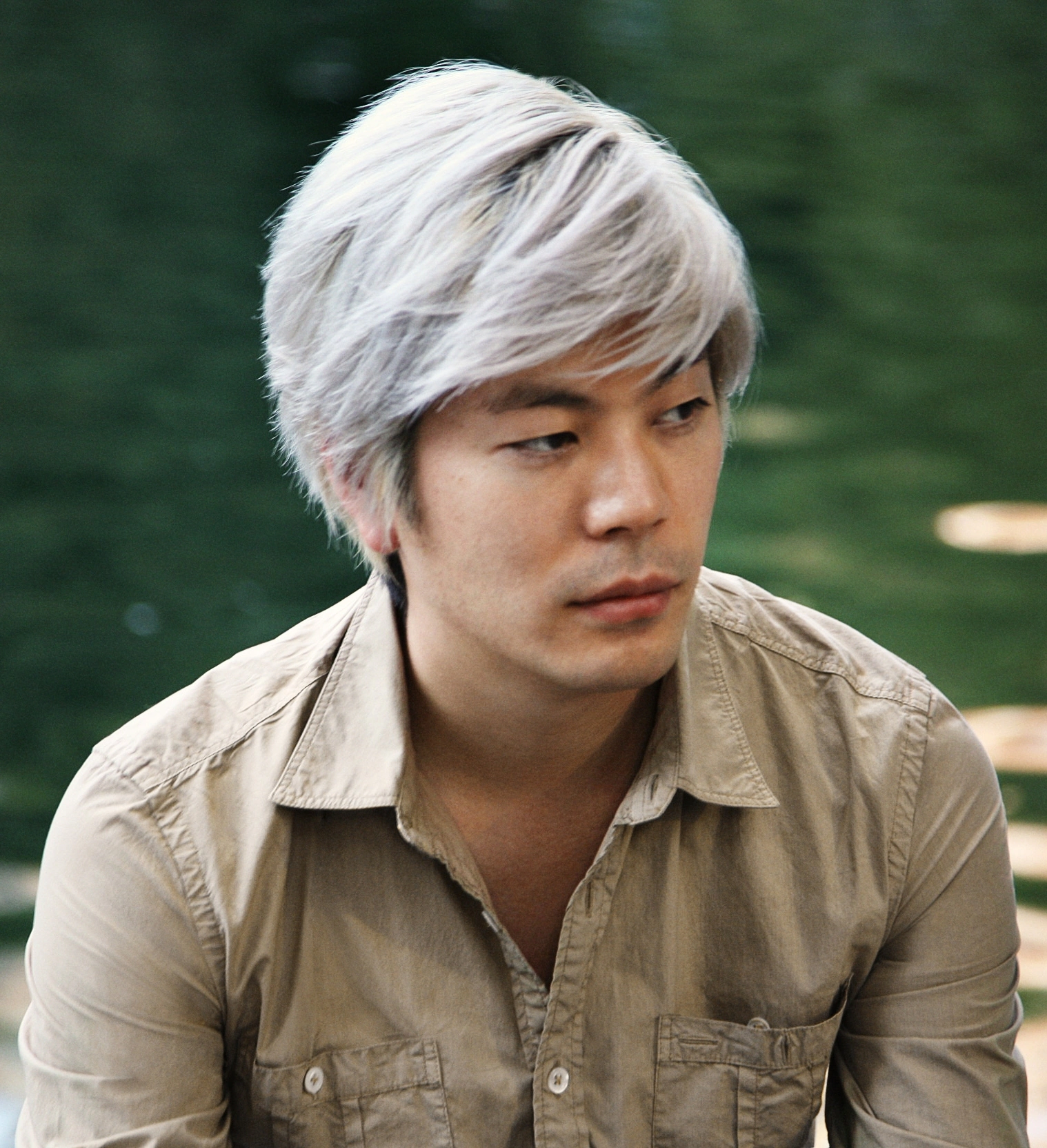
| 20 Quotes | |
| Born as | James Yoshinobu Iha |
| Occup. | Musician |
| From | USA |
| Born | March 26, 1968 Chicago, Illinois, U.S. |
| Age | 57 years |
| Cite | |
Citation Formats
APA Style (7th ed.)
James iha biography, facts and quotes. (2026, February 11). FixQuotes. https://fixquotes.com/artists/james-iha/
Chicago Style
"James Iha biography, facts and quotes." FixQuotes. February 11, 2026. https://fixquotes.com/artists/james-iha/.
MLA Style (9th ed.)
"James Iha biography, facts and quotes." FixQuotes, 11 Feb. 2026, https://fixquotes.com/artists/james-iha/. Accessed 5 Mar. 2026.
Early Life and Background
James Yoshinobu Iha was born on March 26, 1968, in the United States and came of age in a Japanese American household shaped by postwar assimilation and the practical ambitions of the Midwest. He grew up as the child of immigrants in an era when guitar music was both a mass culture product and a private refuge - the years when FM radio, suburban basement rehearsals, and the first wave of American punk and post-punk made it plausible that a quiet kid could build an identity out of sound.His hometown world was not the mythic city-center bohemia of rock biography but the ordinary sprawl of commuter life: “I grew up in the suburbs of Chicago”. That geography mattered. Chicago in the 1980s offered both insulation and access - record stores, small clubs, and a tight alternative network - while the suburbs supplied the isolation that can push an inward temperament toward the guitar as companion, discipline, and secret language.
Education and Formative Influences
Iha attended Illinois public schools and later studied at Loyola University Chicago, where the tension between conventional expectations and artistic drive sharpened rather than resolved. The late-1980s indie landscape taught him range: British new wave, American college rock, metal, and pop all circulated at once, and he absorbed them without treating genre as ideology. Early friendships and rehearsal-room collaboration became his real conservatory, training him to listen for arrangement, texture, and the emotional temperature of a song rather than just virtuosity.Career, Major Works, and Turning Points
Iha co-founded The Smashing Pumpkins in Chicago in 1988 with Billy Corgan, anchoring the band as a guitarist and songwriter whose restraint balanced the group's maximalism. Through Gish (1991) and the commercial breakthrough Siamese Dream (1993), then the epochal double album Mellon Collie and the Infinite Sadness (1995), he helped build a sound that fused metal weight, pop hooks, and psychedelic sprawl into one of the defining signatures of 1990s rock. His own compositions - including "Blew Away" and later songs he sang on record - offered a softer countercurrent within the band's drama, and his stage presence became part of the Pumpkins' internal chemistry: steady, wry, rarely competing for the spotlight. After the band's initial breakup in 2000, he released the solo album Let It Come Down (1998, recorded during the Pumpkins era), joined A Perfect Circle on tour and recordings in the 2000s, and became a valued collaborator and sideman for artists such as Tinted Windows and in sessions across alternative rock. A major late turning point came when he rejoined the Smashing Pumpkins in 2018, restoring a crucial piece of the band's classic lineup and, with it, a sense of continuity for a generation of listeners.Philosophy, Style, and Themes
Iha's musical identity is often misunderstood as mere contrast - the calm beside the storm - but his deeper pattern is integration: the refusal to treat taste as a single lane. He has said, “I mean I like pop music, and I like heavy music and, stuff that I like..” That plainspoken eclecticism is also a psychological defense against dogma: by keeping his loyalties to the song rather than the scene, he protects a private interiority from being swallowed by the performative demands of rock authenticity.As a working musician, Iha has consistently emphasized craft and process over mythology, describing touring and production as labor without romanticizing it, while treating the act of playing as the one place where effort becomes ease. In the Pumpkins' early method he highlights collective construction rather than auteur legend: “The band set up in January and just started rehearsing. If there was a song, we'd just rehearse it as a band, and it would get arranged as a band, and it got changed around a lot”. That sensibility links to his resistance to external pressure - fame, radio formats, or trend cycles - because tailoring art to an outside demand threatens the small, protected space where his personality thrives. The emotional world of his best contributions favors tenderness, melancholy, and understatement, songs that sound like late-night decisions rather than public declarations.
Legacy and Influence
Iha endures as a model of the essential secondary architect - the musician whose restraint, taste, and steadiness make grander visions workable. Within The Smashing Pumpkins' legacy, his guitar textures and compositional counterweight helped define a 1990s language that still informs alternative rock's blend of heaviness and melody; beyond it, his post-2000 career demonstrated how a major-band figure can evolve into a flexible collaborator without surrendering identity. For fans and younger musicians, his influence is less about spectacle than about permission: to be quietly ambitious, to keep your private self intact, and to let eclectic listening - not branding - guide the work.Our collection contains 20 quotes written by James, under the main topics: Music - Leadership - Life - Equality - Youth.
Other people related to James: Melissa Auf der Maur (Musician)
Source / external links