
James Taylor Biography Quotes 34 Report mistakes
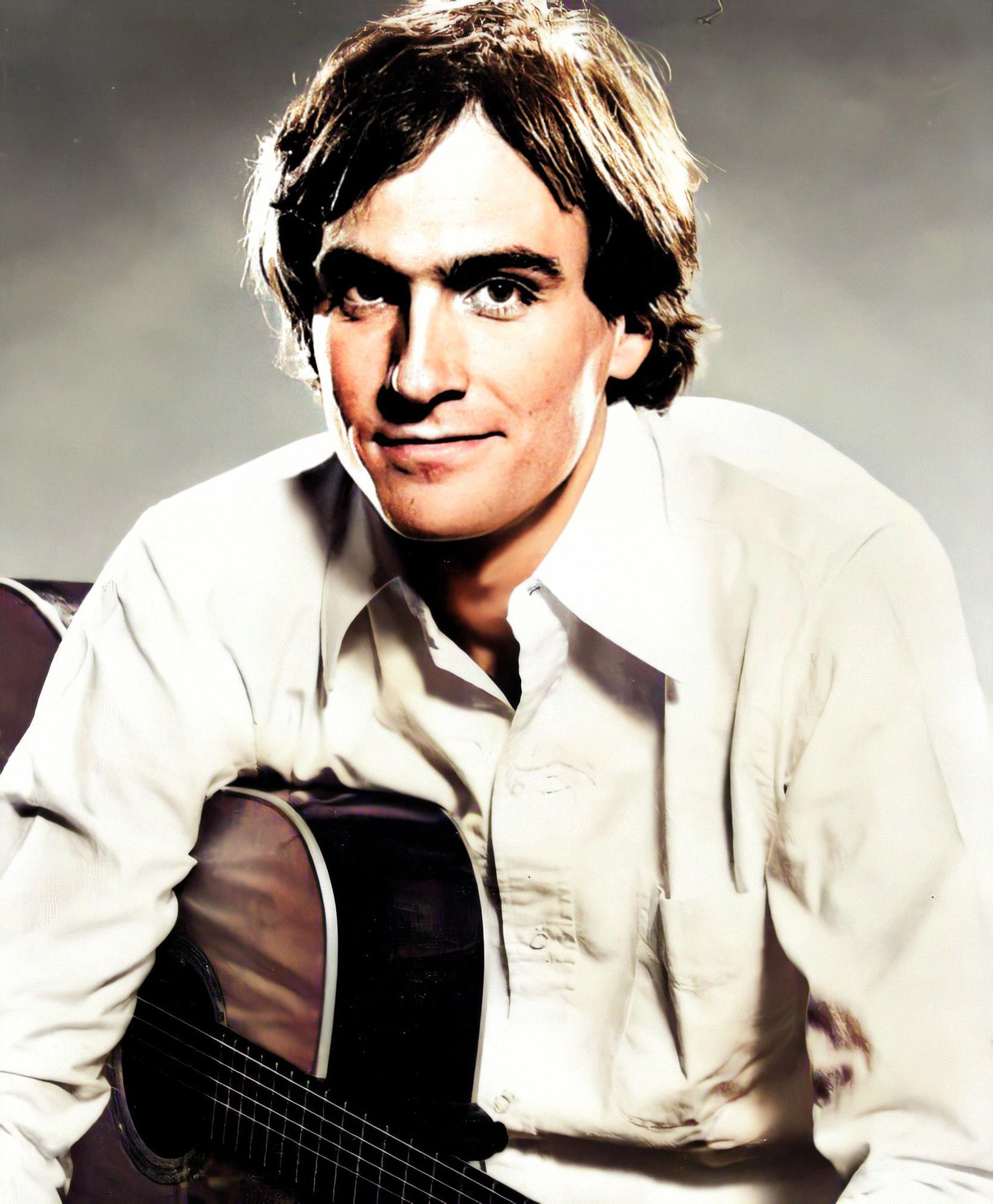
Attr: Columbia Records
| 34 Quotes | |
| Born as | James Vernon Taylor |
| Occup. | Musician |
| From | USA |
| Born | March 12, 1948 Boston, Massachusetts, USA |
| Age | 78 years |
| Cite | |
Citation Formats
APA Style (7th ed.)
James taylor biography, facts and quotes. (2026, February 17). FixQuotes. https://fixquotes.com/artists/james-taylor/
Chicago Style
"James Taylor biography, facts and quotes." FixQuotes. February 17, 2026. https://fixquotes.com/artists/james-taylor/.
MLA Style (9th ed.)
"James Taylor biography, facts and quotes." FixQuotes, 17 Feb. 2026, https://fixquotes.com/artists/james-taylor/. Accessed 25 Mar. 2026.
Early Life and Background
James Vernon Taylor was born March 12, 1948, in Boston, Massachusetts, into a mobile, academically grounded family: his father, Isaac M. Taylor, was a physician who later worked at the University of North Carolina, and his mother, Gertrude (Woodard) Taylor, was a singer whose musicality quietly saturated the home. The Taylors eventually settled in Chapel Hill, a Southern college town whose calm surfaces masked the era's turmoil - Vietnam, civil rights struggles, and the uneasy churn of the 1960s - all of which would later echo in Taylor's preference for intimate, interior songs over slogans.The household was bright, pressured, and complicated. Taylor and his siblings were talented (his brother Alex and sister Kate would also record professionally), but the family also faced mental-health crises that left emotional weather in the rooms: withdrawal, anxiety, and the sense that composure could be fragile. Taylor's early gift was not volume but focus - a way of turning loneliness into melody - and from the start his voice carried a kind of conversational confession that suggested both comfort and an ache for steadiness.
Education and Formative Influences
He attended Chapel Hill High School and learned guitar obsessively, drawn to folk and early rock storytellers as well as the rhythmic logic of blues and country; his touch developed into the fingerpicked, percussive style that would become his signature. In the mid-1960s he struggled with depression and was treated at McLean Hospital in Belmont, Massachusetts, an experience that sharpened his empathy for psychological pain and reinforced his instinct to write from the inside out. Returning to music, he moved through the Northeast scene and then toward London at the moment when British studios, labels, and bands were absorbing American roots music with new ambition.Career, Major Works, and Turning Points
Taylor first recorded with the group the Flying Machine, then signed to the Beatles' Apple label, releasing his self-titled debut "James Taylor" (1968) in London amid the label's volatility; its muted reception was followed by deepening heroin addiction and a return to the United States. The turning point came with "Sweet Baby James" (1970) on Warner Bros., produced by Peter Asher, which introduced the warm baritone, the close-miked guitar, and the emotional candor that fit the post-1960s appetite for personal truth. "Fire and Rain" became his defining statement, and the early 1970s cemented his stature: "Mud Slide Slim and the Blue Horizon" (1971), the chart-topping "You've Got a Friend" (a Carole King song he made definitive), and later "Gorilla" (1975) and "JT" (1977) expanded his palette without breaking the spell of intimacy. His marriage to Carly Simon (1972-1983) made him part of a public mythos even as he fought privately for sobriety; later decades brought steady touring, craft-centered albums, and a rare kind of longevity, with late-career highlights including "Hourglass" (1997) and seasonal and standards projects that underscored his interpretive skill.Philosophy, Style, and Themes
Taylor's songwriting is built on earned modesty: the sense that revelation arrives through patience rather than conquest. He has described his method as tactile exploration - “I don't read music. I don't write it. So I wander around on the guitar until something starts to present itself”. That approach matches the sound: thumbed bass lines that keep time like a heartbeat, chord shapes that leave space for breath, and melodies that feel discovered rather than engineered. Even his origin story is framed as tentative courage - “I started being a songwriter pretending I could do it, and it turned out I could”. - a telling admission for an artist whose authority comes from vulnerability, not swagger.Underneath the gentleness is a hard-won realism about instability, craving, and repair. Taylor has spoken bluntly about addiction's monotony and imprisonment - “If you're an addict, it controls your life and your life becomes uncontrollable. It's boring and painful, filling your system with something that makes you stare at your shoes for six hours”. - and that unsentimental clarity runs through songs that refuse melodrama while naming the cost of escape. Just as central is his belief in music as a bridge across solitude, a psychology of connection that explains why his concerts can feel like communal exhalations: “I think people are isolated because of the nature of human consciousness, and they like it when they feel the connection between themselves and someone else”. The recurring themes - home as an idea, travel as both freedom and exile, love as shelter and as weather - are filtered through a voice that sounds like it is speaking to one person at a time.
Legacy and Influence
Taylor helped define the 1970s singer-songwriter era, not by inventing confession but by refining it into a language of calm intensity: a model for artists who wanted emotional directness without theatricality. His work influenced generations of acoustic writers and pop craftsmen alike, from introspective folk revivalists to mainstream country and adult contemporary singers who borrowed his fingerpicking patterns, melodic restraint, and conversational phrasing. With multiple Grammy Awards, Rock and Roll Hall of Fame induction, and a songbook that remains a staple of radio, film, and the American repertoire, Taylor's enduring power lies in how his music makes private struggle sound survivable - a steady hand offered in the dark, decades after the first time he sang it.Our collection contains 34 quotes written by James, under the main topics: Witty One-Liners - Wisdom - Never Give Up - Music - Writing.
Other people related to James: David Sanborn (Musician), Garth Brooks (Musician), Shawn Colvin (Artist), Otis Blackwell (Musician)
Source / external links