
Jimmy Griffin Biography Quotes 4 Report mistakes
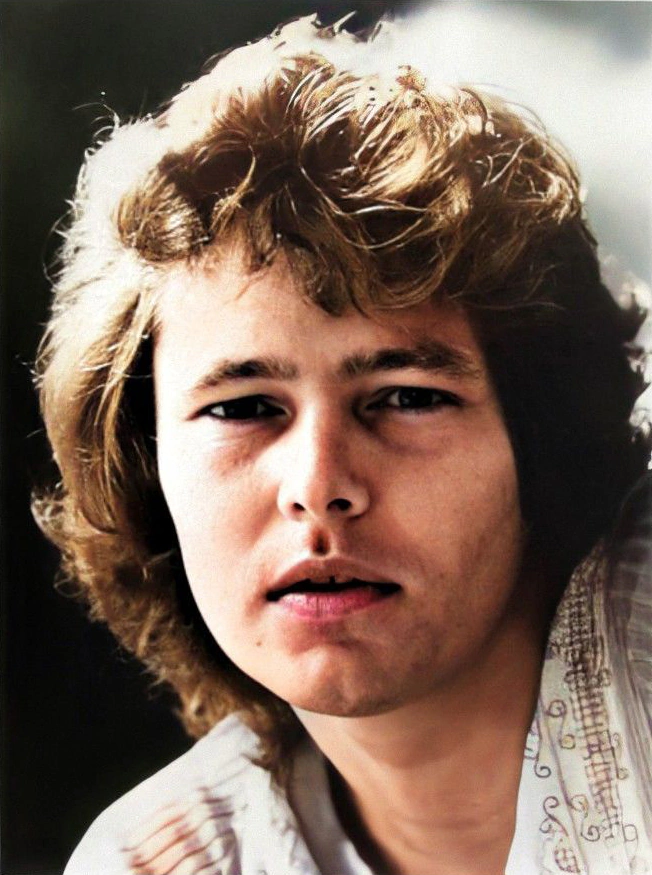
| 4 Quotes | |
| Born as | James Arthur Griffin |
| Occup. | Musician |
| From | USA |
| Born | August 10, 1943 Cincinnati, Ohio, USA |
| Died | January 11, 2005 Franklin, Tennessee, USA |
| Aged | 61 years |
| Cite | |
Citation Formats
APA Style (7th ed.)
Jimmy griffin biography, facts and quotes. (2026, February 11). FixQuotes. https://fixquotes.com/artists/jimmy-griffin/
Chicago Style
"Jimmy Griffin biography, facts and quotes." FixQuotes. February 11, 2026. https://fixquotes.com/artists/jimmy-griffin/.
MLA Style (9th ed.)
"Jimmy Griffin biography, facts and quotes." FixQuotes, 11 Feb. 2026, https://fixquotes.com/artists/jimmy-griffin/. Accessed 26 Mar. 2026.
Early Life and Background
James Arthur "Jimmy" Griffin was born on August 10, 1943, in the United States, a child of the postwar boom who came of age as American popular music shifted from rockabilly to the tighter studio craft of early-1960s pop. Griffin grew up with an ear for harmony and a practical musician's instinct for structure - the kind of instinct formed in living rooms, radios, and rehearsal spaces rather than conservatories. His temperament, by most accounts, leaned toward quiet competence: he was not the obvious front man, but the dependable builder of songs.That inner disposition mattered. Griffin moved through scenes where charisma could be currency, yet he repeatedly gravitated toward collaboration, arranging parts to serve the whole and letting the record, not the personality, do the persuading. The era rewarded the writer-performer who could pivot between local bands, publishing rooms, and studios; Griffin would become one of those musicians whose biography is inseparable from the changing machinery of the American record business.
Education and Formative Influences
Griffin's musical education was largely experiential, grounded in the vernacular tradition of American rock and roll and the apprenticeship model of learning by playing alongside better musicians. His formative influences were the craftsmen of melody and rhythm - songwriters who could make three minutes feel inevitable - and the working realities of studios where a good take was as much about psychology as technique. He absorbed the lessons of the early rockabilly generation and the emerging Brill Building logic: hook, story, harmony, and a vocal that sounds like a person.Career, Major Works, and Turning Points
Griffin is best remembered as a key member of Bread, the soft rock group whose early-1970s success helped define radio-friendly album pop. Within Bread, he contributed songs and performances that balanced intimacy with professionalism, helping the band translate singer-songwriter sensitivity into tightly arranged records. Bread's run - marked by hit-making craft and the familiar tensions of authorship, credit, and identity - suited Griffin's strengths: he could write, sing, and anchor an ensemble without forcing the spotlight. His career also extended beyond the marquee, reflecting the broader ecology of Los Angeles-area recording life, where session work, co-writing, and production-adjacent roles often sustained musicians between band cycles.Philosophy, Style, and Themes
Griffin's artistic psychology is clearest in how he talked about work: in terms of people, process, and the quiet pride of getting it right. He tended to frame music as a chain of relationships - producer to artist, co-writer to co-writer, bandmate to bandmate - rather than as a solitary genius narrative. “Steve produced Girls Grow Up Faster Than Boys and one more. Then he and I wrote a few songs together and became good friends. He was a talented producer”. The sentence is revealing: the emphasis lands on mutual labor, learning, and the human bond that makes the labor sustainable. In Griffin's world, friendship is not separate from the craft; it is one of the craft's enabling technologies.His style favored clarity and emotional directness - melodies built to be remembered, harmonies built to be sung, arrangements built to support the lyric rather than compete with it. Even when discussing others, he listened for functional musicianship: “Dorsey played the upright bass and steel guitar, as well as acoustic guitar. Johnny played acoustic guitar and together they were fabulous songwriters and singers”. That is the voice of a working musician taking inventory of skills and results, admiring versatility and song-first thinking. And in the background is a recurring theme: the bridge between youthful ambition and professional competence. “I went out to visit Dorsey Burnette, after I graduated high school”. The detail carries a pilgrim's impulse - the young songwriter seeking proximity to the real thing - and it suggests Griffin's lifelong habit of apprenticeship, of treating music as a lineage you enter by showing up.
Legacy and Influence
Jimmy Griffin died on January 11, 2005, but his legacy remains audible in the durable architecture of American soft rock: intimate vocals, precise harmonies, and songwriting that values emotional economy over spectacle. As Bread's sound continues to circulate on oldies radio, streaming playlists, and cover versions, Griffin's contributions persist as examples of the musician-as-craftsman - the collaborator who helps convert private feeling into public song. His career stands as a case study in a particularly American kind of artistry: not the myth of the tortured solitary, but the steadier achievement of the professional who keeps returning to the work, the room, and the people who make the work possible.Our collection contains 4 quotes written by Jimmy, under the main topics: Music - Friendship - Graduation.
Source / external links