
Johnny Thunders Biography Quotes 12 Report mistakes
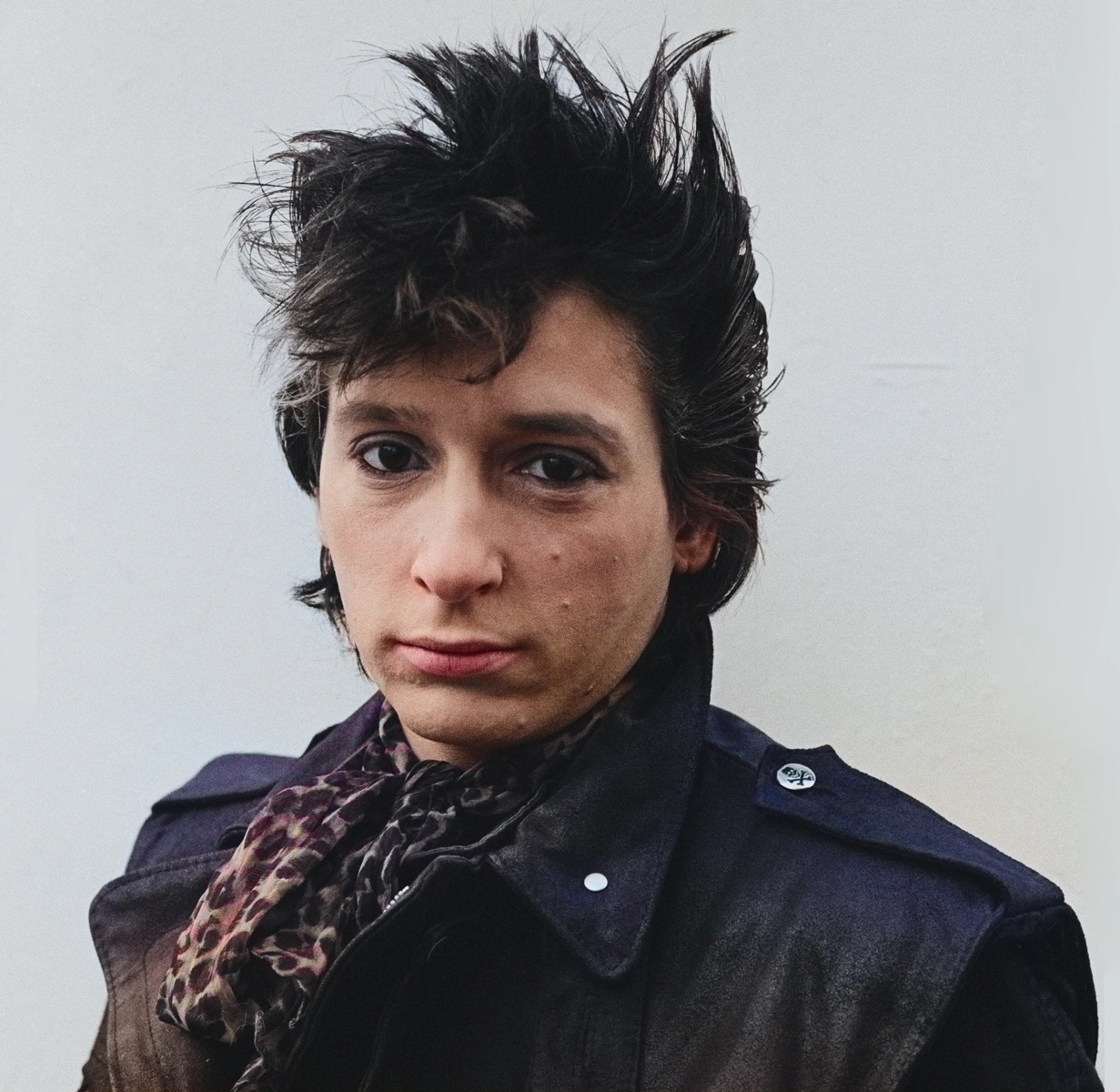
| 12 Quotes | |
| Born as | John Anthony Genzale |
| Occup. | Musician |
| From | USA |
| Born | July 15, 1952 Queens, New York, USA |
| Died | April 23, 1991 New Orleans, Louisiana, USA |
| Aged | 38 years |
| Cite | |
Citation Formats
APA Style (7th ed.)
Johnny thunders biography, facts and quotes. (2026, March 1). FixQuotes. https://fixquotes.com/artists/johnny-thunders/
Chicago Style
"Johnny Thunders biography, facts and quotes." FixQuotes. March 1, 2026. https://fixquotes.com/artists/johnny-thunders/.
MLA Style (9th ed.)
"Johnny Thunders biography, facts and quotes." FixQuotes, 1 Mar. 2026, https://fixquotes.com/artists/johnny-thunders/. Accessed 1 Mar. 2026.
Early Life and Background
John Anthony Genzale was born on July 15, 1952, in Queens, New York, and came of age in the loud, polyglot boroughs that fed rock and roll with both aspiration and abrasion. Before he became Johnny Thunders, he was a streetwise kid drawn to the glamour of British Invasion guitar heroes and the local circuitry of teen bands, pawn shops, and cheap amplifiers. The New York he grew up in was a city of collapsing fiscal confidence and exploding subcultures - a place where style could function as armor, and where music offered an exit from ordinary jobs into a life made deliberately exceptional.Even early, his persona carried a contradiction that would define him: brazen onstage, guarded off it. Friends and collaborators often described him as funny, volatile, and unexpectedly tender, but also hard to pin down - a man who could seem fully present one minute and unreachable the next. That tension between intimacy and distance made him magnetic as a frontman and difficult as a companion, setting the emotional stakes for the bands and relationships that followed.
Education and Formative Influences
Thunders did not follow a conventional educational path; his real schooling happened in rehearsal rooms and clubs, absorbing Chuck Berry, the Rolling Stones, and the swagger of early glam while developing a guitar style built on ringing open chords, stinging bends, and a sense of danger in the attack. In late-1960s New York, the idea of a "scene" was becoming as important as musicianship, and he learned quickly that image, attitude, and conviction could amplify three chords into a worldview - especially in the downtown spaces where proto-punk was incubating.Career, Major Works, and Turning Points
He first broke through as bassist for the New York Dolls, the band that turned lipstick, leathers, and trash-culture romance into a new kind of American rock mythology; by the time he shifted to guitar, his jagged lead lines were central to their 1973 debut The New York Dolls and its follow-up Too Much Too Soon (1974). The Dolls imploded amid mismanagement, exhaustion, and substance abuse, but Thunders carried their flame into the Heartbreakers, whose L.A.M.F. (1977) became a battered cornerstone of punk - part anthem book, part cautionary document. His solo career began with So Alone (1978), recorded with a shifting cast that reflected his life: alliances formed fast, burned hot, and sometimes collapsed in mistrust. Through the 1980s he remained a cult attraction on the club circuit, capable of transcendent nights and chaotic ones, while his health deteriorated; he died in New Orleans on April 23, 1991, at 38, leaving unresolved questions around the circumstances and a body of work that felt larger than its commercial footprint.Philosophy, Style, and Themes
Thunders played like someone trying to outpace his own restlessness. His sound - raw, trebly, and deceptively melodic - fused the Stones' sleaze with girl-group romance and a punker's impatience for polish. He treated "attitude" not as garnish but as the engine of the music, insisting that the Dolls were a total posture toward the world: “The Dolls were an attitude. If nothing else they were a great attitude”. Psychologically, that reads as self-definition by performance - a belief that the truest self might be the one you construct under lights, loud enough to drown out doubt.Yet behind the front, he hinted at a private self that resisted capture, and that resistance became part of the legend. “No one really knows me. People think they know me”. That sentence frames his career as a long negotiation between exposure and control: he offered confession through songs about ruin, hunger, and devotion, but he rarely granted stable access to the person beneath. Even his candor about drugs could sound less like provocation than a bid to seize the narrative before others could: “I take smack because I enjoy it. I enjoy all it makes me feel. I don't do it to be in with the in crowd. I can rock out with it”. In his best work, pleasure and damage are intertwined; love songs arrive with broken teeth, and the romance of the road curdles into survival.
Legacy and Influence
Thunders endures as a template for punk guitar romanticism - the idea that simplicity, when played with nerve and melodic instinct, can feel like truth. The New York Dolls helped shape the visual and musical vocabulary that fed punk, glam-punk, and hard rock; the Heartbreakers and L.A.M.F. became a touchstone for bands chasing street-level elegance from London to Los Angeles; and So Alone stands as one of rock's great solo records of battered charisma. His life also left a darker inheritance: the glamorization of collapse, the myth that self-destruction is the price of authenticity. Even so, generations of players still chase his particular alchemy - a slash of guitar, a sneer that breaks into longing, and the sense that a great song can briefly redeem a chaotic night.Our collection contains 12 quotes written by Johnny, under the main topics: Witty One-Liners - Justice - Mortality - Music - Work Ethic.
Other people related to Johnny: David Johansen (Musician), Richard Hell (Musician)
Source / external links