
Jonathan Richman Biography Quotes 5 Report mistakes
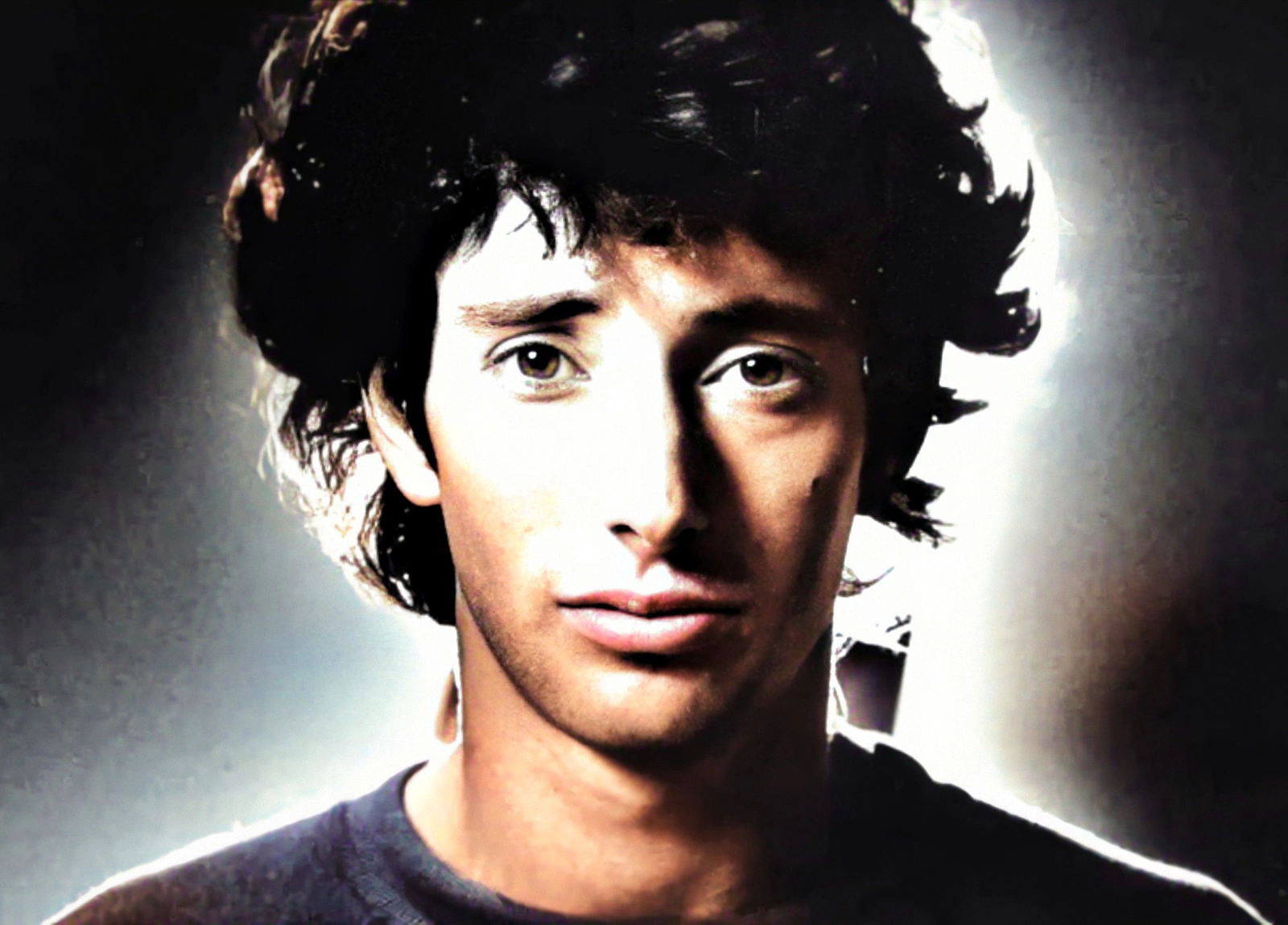
| 5 Quotes | |
| Occup. | Musician |
| From | USA |
| Born | May 16, 1951 Natick, Massachusetts |
| Age | 74 years |
| Cite | |
Citation Formats
APA Style (7th ed.)
Jonathan richman biography, facts and quotes. (2026, February 11). FixQuotes. https://fixquotes.com/artists/jonathan-richman/
Chicago Style
"Jonathan Richman biography, facts and quotes." FixQuotes. February 11, 2026. https://fixquotes.com/artists/jonathan-richman/.
MLA Style (9th ed.)
"Jonathan Richman biography, facts and quotes." FixQuotes, 11 Feb. 2026, https://fixquotes.com/artists/jonathan-richman/. Accessed 4 Mar. 2026.
Early Life and Influences
Jonathan Richman was born on May 16, 1951, in Natick, Massachusetts, and grew up in the Boston suburbs with an early and unusually intense fascination for rock and roll. As a teenager he became devoted to the Velvet Underground, absorbing the lyrical candor of Lou Reed and the minimalist power cultivated by John Cale, Sterling Morrison, and Maureen Tucker. Drawn to their stark rhythms and honest storytelling, he spent time in New York City to be closer to the artistic world that had shaped his sensibilities. The mix of urban observation, adolescent innocence, and a desire to strip rock music to essential elements would define his voice from the beginning.The Modern Lovers
In the early 1970s, Richman returned to the Boston area and formed the Modern Lovers with friends who would become central to his story: Jerry Harrison on keyboards, David Robinson on drums, and Ernie Brooks on bass. The group pursued a sound that was spare, direct, and bracingly contemporary, a decisive break from the era's heavier, ornate rock. Their songs, often built on one or two chords, relied on the pulse of the city, the hum of a highway, and Richman's deadpan wit. The band quickly became a local sensation, drawing attention from record labels and producers who sensed that something strikingly new was taking shape.Breakthrough Recordings and Aftermath
In 1972 the Modern Lovers recorded with John Cale, whose own work with the Velvet Underground had shaped Richman's imagination. Those sessions produced some of the defining tracks of Richman's early career, including Roadrunner, Pablo Picasso, She Cracked, and Hospital. Though the original band dissolved before their debut could be properly released, the recordings eventually appeared in 1976 as The Modern Lovers, a cornerstone of what would later be called proto-punk. The album's combination of cool candor, driving repetition, and suburban poetry proved deeply influential. Roadrunner, with its rolling two-chord momentum and love letter to late-night driving, became an anthem and was later covered by artists such as the Sex Pistols and Joan Jett, underlining the song's durability and reach.The members around Richman went on to notable careers of their own, further underscoring the band's importance. Jerry Harrison joined Talking Heads alongside David Byrne and Tina Weymouth, helping to shape one of the most distinctive bands of the late 1970s and 1980s. David Robinson co-founded the Cars with Ric Ocasek and Benjamin Orr, bringing a modernist sensibility to mainstream rock. Ernie Brooks remained an articulate chronicler of the group's origins and spirit. Their departures were part of a broader turning point: Richman, still in his early twenties, chose not to recreate the band's original hard edge but to follow his own compass toward a more intimate style.
Reinvention and Jonathan Richman and the Modern Lovers
By the mid-1970s, Richman had begun to de-amplify his music and simplify his arrangements, favoring acoustic textures and conversational singing. Working with the independent-minded Beserkley label, guided by Matthew "King" Kaufman, he recast his aesthetic around warmth, humor, and a steady beat, often spotlighting hand percussion and gentle strumming rather than the aggression that had come to define punk. New lineups using the name Jonathan Richman and the Modern Lovers helped him develop a playful stagecraft and a repertoire that included wry, tender songs about everyday subjects: friendships, shy romances, the pleasures of neighborhoods, and the simple joy of rhythm. During this period he recorded Egyptian Reggae, an instrumental that became a hit in the United Kingdom, expanding his audience well beyond his Boston origins.Solo Career, Touring, and Collaborations
Through the 1980s and beyond, Richman balanced studio albums with a relentless commitment to live performance. He issued records that have become fan favorites, including Jonathan Sings!, a melodic and optimistic set that refined his approach, and I, Jonathan, which featured concert staples like That Summer Feeling and I Was Dancing in the Lesbian Bar. These records demonstrated that his writing could be both disarmingly direct and emotionally layered, expressing wonder without naivete and humor without cynicism. He intermittently revived the Modern Lovers name while also recording under his own, working with small ensembles that kept the focus on rhythm and storytelling.A vital piece of this era was his partnership with drummer Tommy Larkins, whose understated timekeeping and quick responsiveness became essential to Richman's live shows. Often touring as a duo, Richman and Larkins crafted performances that were spontaneous and intimate, with Richman altering tempos mid-song, switching languages, and inviting audiences to listen closely. Their stage dynamic relied on trust and empathy, and Larkins's steady pulse anchored Richman's freewheeling impulses.
On Screen and in Popular Culture
Richman's sensibility found a new spotlight in the late 1990s when the Farrelly brothers, Peter and Bobby, invited him and Tommy Larkins to appear as a kind of musical chorus in the film There's Something About Mary. The pair served as genial narrators, appearing between scenes to frame the story with musical asides. The cameo introduced Richman to a broader audience without requiring him to compromise his persona; he remained the same affable troubadour who favored direct address and simple accompaniment. Beyond that, his songs have appeared in various films and television shows, cementing his status as a cult figure whose work resonates across media and generations.Musical Style and Themes
At the heart of Richman's music is a commitment to clarity. He writes about the ordinary with reverence, turning small scenes into moments of revelation. His guitar work often favors a clean tone and modest volume, and his voice, conversational and bright, avoids theatricality in favor of connection. Influences from the Velvet Underground are present in his early chord patterns and rhythmic insistence, yet his later work reflects folk, early rock and roll, and even hints of global rhythms. He has sung in Spanish and French on occasion, reflecting a curiosity for languages and cultures. Onstage he can be choreographer and comedian, switching from foot-tapped percussion to quick dance steps while keeping his eye on the audience, listening for their energy and shaping the room accordingly.Equally striking is his rejection of cynicism. From the anti-drug stance of songs like I'm Straight to his celebration of places and people, Richman reminds listeners that direct emotion need not be simplistic. He champions a humane scale of performance, often preferring small clubs, minimal amplification, and the vulnerability of an unadorned voice. The result is a catalog that feels personal, even when it is playful, and remains distinct from the prevailing aesthetics of any decade he has passed through.
Community, Colleagues, and Continuity
The story of Jonathan Richman is also a story of the people around him. John Cale's production guided the earliest definitive recordings, while Matthew "King" Kaufman helped nurture an environment where Richman's shift in direction could flourish. Jerry Harrison, David Robinson, and Ernie Brooks formed a pioneering band that shaped the paths of Talking Heads and the Cars. Tommy Larkins became the steady partner of his later career, quietly integral to the sound audiences came to know. And the Farrelly brothers brought his backstage charm into mainstream film without sanding down his quirks. These relationships emphasize how collaboration, even in small doses, can help a singular artist remain true to himself while expanding his reach.Legacy
Though never a blockbuster figure in commercial terms, Richman has exerted an outsized influence on rock and indie music. The Modern Lovers provided a template for bands that value candid lyrics, insistent rhythm, and a sense of place. Roadrunner has been celebrated as one of rock's great driving songs and a clarion call for minimalism. Later records demonstrated that gentleness and humor could carry as much artistic weight as noise and bravado. Musicians across scenes have embraced his example: keep arrangements simple, engage audiences directly, and write about what you love without embarrassment.Richman has continued to record and tour over the decades, often from a West Coast base, with new songs entering the set alongside older favorites. He has maintained strong artistic independence, avoiding nostalgia circuits in favor of living, evolving performances. For listeners and artists alike, his career suggests that longevity can be found in sincerity and craft rather than fashion. It is a legacy anchored by a handful of key allies and a vision that has remained remarkably consistent: music that prefers warmth to spectacle, closeness to distance, and honesty to pose.
Our collection contains 5 quotes written by Jonathan, under the main topics: Music.