
Julian Casablancas Biography Quotes 12 Report mistakes
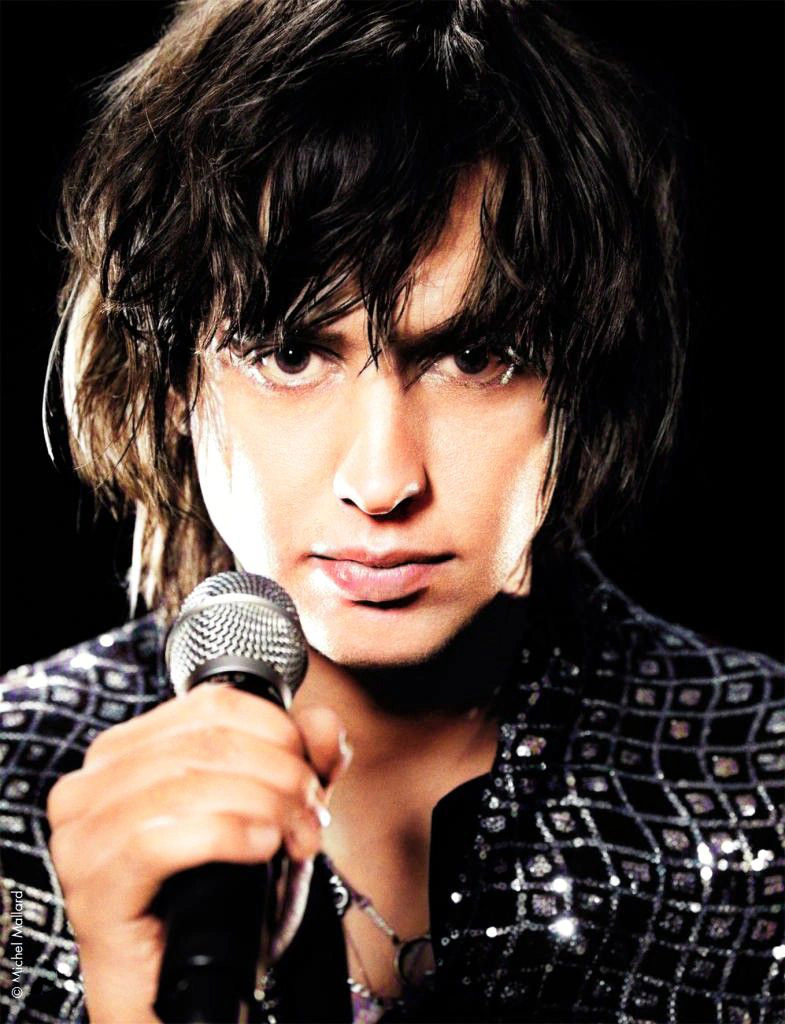
| 12 Quotes | |
| Occup. | Musician |
| From | USA |
| Born | August 23, 1978 |
| Age | 47 years |
| Cite | |
Citation Formats
APA Style (7th ed.)
Julian casablancas biography, facts and quotes. (2026, February 11). FixQuotes. https://fixquotes.com/artists/julian-casablancas/
Chicago Style
"Julian Casablancas biography, facts and quotes." FixQuotes. February 11, 2026. https://fixquotes.com/artists/julian-casablancas/.
MLA Style (9th ed.)
"Julian Casablancas biography, facts and quotes." FixQuotes, 11 Feb. 2026, https://fixquotes.com/artists/julian-casablancas/. Accessed 24 Mar. 2026.
Early Life and Background
Julian Fernando Casablancas was born on August 23, 1978, in New York City, a child of two sharply different worlds: the glossy, executive sphere of his father, John Casablancas (the Elite Model Management founder), and the more private, artist-leaning presence of his mother, Jeanette Christiansen, a Danish-born model. He spent parts of his childhood between Manhattan and Europe, absorbing the itinerant rhythm of fashion-industry life - hotels, adults talking business, a sense that image could be both currency and camouflage.That early proximity to status also bred skepticism. Casablancas has often described himself as a difficult, restless adolescent; the combination of privilege, distance, and dislocation left him hungry for something that felt earned. The New York of his youth was shifting - post-70s grit fading, money and branding rising - and the tension between authenticity and performance would become one of the central motors of his songwriting.
Education and Formative Influences
As a teenager he attended boarding schools, including Institut Le Rosey in Switzerland, then returned to New York and enrolled at the Dwight School in Manhattan, where he reconnected with future bandmates Nick Valensi and Fabrizio Moretti; through them he met Albert Hammond Jr. Casablancas later studied briefly at Five Towns College on Long Island, but the real education was musical: punk directness, new wave economy, and the tight romanticism of bands like The Velvet Underground and Television, filtered through late-90s downtown Manhattan nights and the discipline of learning how to make songs hit with minimal parts.Career, Major Works, and Turning Points
In 1998 Casablancas formed The Strokes with Valensi, Hammond Jr., Moretti, and bassist Nikolai Fraiture, and they became the flashpoint of the early-2000s rock revival. The band honed a lean, melodic attack at venues like Mercury Lounge before breaking internationally with "Is This It" (2001), followed by "Room on Fire" (2003) and "First Impressions of Earth" (2006); Casablancas voice - slurred, intimate, half-ironic - turned private doubt into chantable hooks. A key turning point came as he expanded beyond the band: the solo album "Phrazes for the Young" (2009) pushed toward synths and bigger structures, while his group The Voidz (formerly Julian Casablancas + The Voidz) took a more abrasive, experimental path on "Tyranny" (2014) and "Virtue" (2018). The Strokes later returned with "The New Abnormal" (2020), a reflective, late-career reinvention that reframed their cool minimalism as something bruised, searching, and newly patient.Philosophy, Style, and Themes
Casablancas writes as if he is arguing with himself in real time. His narrators crave connection but distrust the terms on offer; romance and nightlife are treated less as indulgence than as laboratories where self-myth collapses under fluorescent light. The friction between image and inner life - learned early, then lived publicly - becomes a recurring moral problem: how to remain honest while being watched, rewarded, and imitated. That psychology surfaces in his constant self-interrogation, the sense that identity is contested territory rather than a settled fact. “Who you are vs. who you wish you were: Who wins?” It is not posed as inspiration but as diagnosis - the engine behind characters who posture, backslide, and keep reaching for a cleaner version of themselves.Musically, he favors tight rhythmic grids and melodies that feel classic even when the production is distorted or futuristic; the style lets him smuggle unease into sing-along form. As his work broadened, so did his targets: media hypnosis, corporate power, and the way appetites become ideologies. He tends to treat desire as both fuel and trap, separating private longing from collective well-being - “Desire is individual. Happiness is common”. Even at his most experimental, his ethic is anti-complacency, a belief that art should risk embarrassment to stay alive. “With a hundred ways to do a dozen things, why not try it all?” The line fits his trajectory from minimalist rock to jagged, genre-colliding suites: not aimless eclecticism, but a refusal to let one successful identity harden into a prison.
Legacy and Influence
Casablancas stands as one of the defining American rock frontmen of the 21st century, not because he preserved a scene but because he destabilized the idea of what "cool" had to mean. The Strokes helped re-center guitars in the early 2000s and influenced a generation of indie and garage-leaning bands; yet his longer arc - especially with The Voidz and the later Strokes - shows an artist unwilling to live off a single breakthrough. His enduring impact lies in that tension: the pop gift for hooks and posture, paired with a writerly insistence on self-critique, so that the songs keep sounding like nights out that end in uncomfortable clarity.Our collection contains 12 quotes written by Julian, under the main topics: Motivational - Wisdom - Justice - Music - Deep.
Source / external links