
Kanye West Biography Quotes 23 Report mistakes
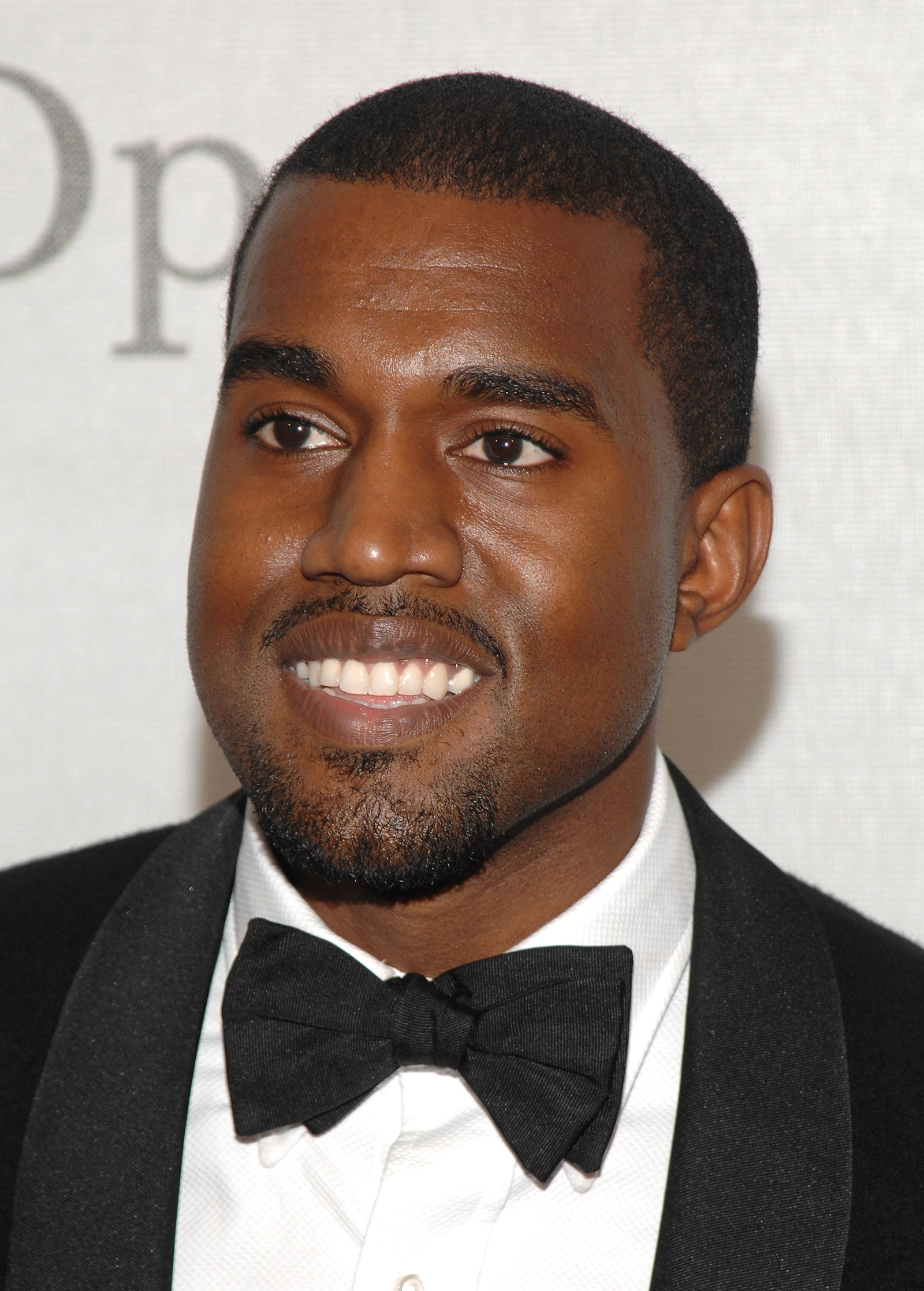
| 23 Quotes | |
| Occup. | Musician |
| From | USA |
| Born | June 8, 1977 Atlanta, Georgia |
| Age | 48 years |
| Cite | |
Citation Formats
APA Style (7th ed.)
Kanye west biography, facts and quotes. (2026, February 11). FixQuotes. https://fixquotes.com/artists/kanye-west/
Chicago Style
"Kanye West biography, facts and quotes." FixQuotes. February 11, 2026. https://fixquotes.com/artists/kanye-west/.
MLA Style (9th ed.)
"Kanye West biography, facts and quotes." FixQuotes, 11 Feb. 2026, https://fixquotes.com/artists/kanye-west/. Accessed 27 Mar. 2026.
Early Life and Background
Kanye Omari West was born June 8, 1977, in Atlanta, Georgia, to Donda C. West, an English professor, and Ray West, a former Black Panther turned photojournalist. After his parents separated, he was raised largely in Chicago, where the citys South Side and its overlapping worlds of church, radio, fashion, and street politics became an early map of what he later tried to synthesize into a single public persona.As a child he drew constantly, wrote poems, and made beats on whatever equipment was available, showing an unusual comfort with attention and a quick sensitivity to disrespect. Time spent living in Nanjing, China, where Donda taught, broadened his sense of being watched and read, sharpening the mix of ambition and self-consciousness that would later power both his breakthroughs and his collisions with the public.
Education and Formative Influences
West attended Polaris School for Individual Education and later Chicago State University, where Donda worked, but left college to pursue music - a decision he turned into a defining myth about risk, ego, and vocation. His influences fused soul and gospel (Curtis Mayfield, Stevie Wonder), Chicago house, and the precision of golden-era hip-hop, while his mother served as editor, protector, and moral center, encouraging grand goals but also insisting on craft, literacy, and presentation.Career, Major Works, and Turning Points
West first became indispensable as a producer, most visibly for Jay-Zs The Blueprint (2001), where his sped-up soul samples and clean drum programming helped reset rap radio. After a near-fatal car crash in 2002, he used recovery as narrative fuel and forced his way from behind the boards to center stage: The College Dropout (2004), Late Registration (2005), and Graduation (2007) made him a superstar who argued for vulnerability, humor, and aspiration in mainstream rap. Public turning points multiplied: his 2005 Hurricane Katrina telecast outburst, the 2009 VMA interruption, and the self-imposed exile that preceded My Beautiful Dark Twisted Fantasy (2010), followed by the industrial minimalism of Yeezus (2013) and the gospel turn of The Life of Pablo (2016) and Jesus Is King (2019). Parallel to music, he built a design career that culminated in the Yeezy line and high-profile collaborations, then entered a turbulent period of highly visible mental-health crises, political provocation, and business ruptures, including the loss of major partnerships in 2022 after antisemitic statements - a stark redefinition of his public standing even as his catalog remained culturally central.Philosophy, Style, and Themes
West has always written from the pressure chamber where self-mythology meets confession. He frames his sensitivity as a kind of leadership, insisting, “We all self-conscious. I'm just the first to admit it”. That admission is less humility than strategy: by naming the insecurity, he turns it into propulsion, making the listener complicit in his need to be seen, corrected, and crowned all at once.His work repeatedly stages a courtroom between faith and fame, with gospel language set against the marketplace and the clubs transactional logic. The early albums leaned on family, community, and the ache of proving oneself; later records pushed toward abstraction, distortion, and spectacle, but still returned to the question of what salvation looks like in public. In his own words, “Nothing in life is promised except death”. That fatalism underwrites the urgency in his production - sudden key changes, maximalist layering, then abrupt emptiness - and it helps explain why he treats each era as a do-or-die reinvention. Even his political outbursts operate as moral theater, as when he declared, “George Bush doesn't care about black people”. The line reads as outrage, but also as a demand to be recognized as witness - someone who refuses the safe script and risks social punishment to force attention onto suffering.
Legacy and Influence
West reshaped 21st-century popular music by collapsing borders between rapper, producer, songwriter, and designer, normalizing the album as multimedia event and the artist as ceaseless curator of taste. His innovations in sampling aesthetics, stadium-scale hip-hop, and emotionally candid lyricism opened lanes for artists from Drake and Kid Cudi to a generation of genre-blurring pop-rap and gospel-rap hybrids. Yet his legacy is inseparable from the costs of his volatility: he made genius and self-destruction part of the same narrative, challenging audiences to separate art from harm, and leaving a body of work that remains both a blueprint for ambition and a warning about what happens when the performance of self becomes indistinguishable from the self itself.Our collection contains 23 quotes written by Kanye, under the main topics: Motivational - Art - Dark Humor - Music - Mortality.
Other people related to Kanye: Kim Kardashian (Celebrity), John Legend (Musician), Teyana Taylor (Musician), Stacey Dash (Actress)
Source / external links