
Kesha Biography Quotes 11 Report mistakes
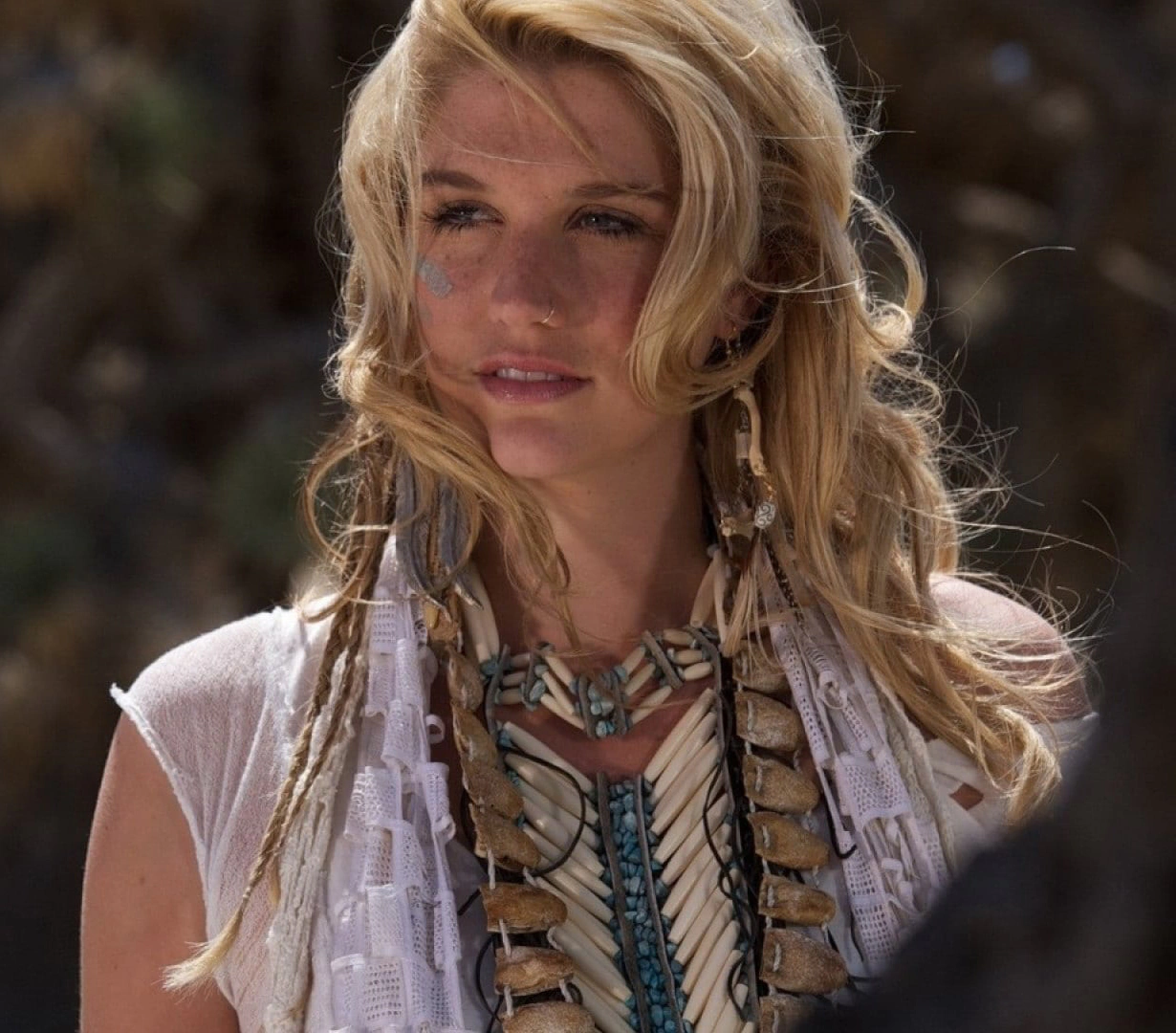
Attr: Cosmopolitan UK, CC BY 3.0
| 11 Quotes | |
| Born as | Kesha Rose Sebert |
| Known as | Ke$ha |
| Occup. | Musician |
| From | USA |
| Born | March 1, 1987 Los Angeles, California, USA |
| Age | 38 years |
| Cite | |
Citation Formats
APA Style (7th ed.)
Kesha biography, facts and quotes. (2026, February 11). FixQuotes. https://fixquotes.com/artists/kesha/
Chicago Style
"Kesha biography, facts and quotes." FixQuotes. February 11, 2026. https://fixquotes.com/artists/kesha/.
MLA Style (9th ed.)
"Kesha biography, facts and quotes." FixQuotes, 11 Feb. 2026, https://fixquotes.com/artists/kesha/. Accessed 13 Feb. 2026.
Early Life and Background
Kesha Rose Sebert was born March 1, 1987, in Los Angeles, California, into a life already shadowed by the practical realities of making art for a living. Her mother, Pebe Sebert, was a singer-songwriter who had tasted the fickle economics of the music business, including a co-writing credit on the 1980 hit "Old Flames (Cant Hold a Candle to You)". That proximity to the industry gave Kesha an early, unromantic education: songs could be both self-expression and rent money, and the line between the two was rarely clean.After her parents separated, she was raised largely by her mother, and the family moved through unstable stretches that Kesha later described as lean and improvisational. Those years in Tennessee - between trailer parks and borrowed stability - fed a lifelong habit of turning scarcity into spectacle and humor into armor. The persona that later looked like pure party chaos was, in part, a survival tactic: a way to seize control of the room before the room could judge her.
Education and Formative Influences
In Nashville, Kesha attended Franklin High School and developed a sharp sense of how pop is engineered - hooks, repetition, and performance as craft. She also studied music formally, learning to write and build songs, not merely sing them, and absorbed the local discipline of songwriting that Nashville demands. As a teenager she recorded early demos, studied voice, and lived with an almost single-minded focus; she later left school to pursue music in Los Angeles, a decision that placed her directly in the late-2000s ecosystem of producers, writing rooms, and internet-accelerated fame.Career, Major Works, and Turning Points
Kesha first surfaced to mainstream audiences through a featured vocal on Flo Rida's 2009 "Right Round", then detonated the same year with "Tik Tok", a maximalist pop single that helped define the recession-era, club-ready sound of the early 2010s. Her debut album "Animal" (2010) and companion "Cannibal" (2010) cemented a brand of glitter-smeared hedonism and bratty wit; "Warrior" (2012) expanded her palette but also reflected the constraints of major-label pop machinery. The defining turning point arrived in 2014, when Kesha sued producer Dr. Luke (Lukasz Gottwald) alleging abuse and sought release from contracts; the ensuing litigation, public scrutiny, and setbacks became inseparable from her narrative. Out of that crucible she released "Rainbow" (2017), a stylistic and emotional reset that reached for gospel, rock, and balladry; "High Road" (2020) and "Gag Order" (2023) continued the arc toward darker interiority and a more auteur-driven voice, even as she navigated the final years of her contractual obligations and a cultural moment newly attuned to power dynamics in the industry.Philosophy, Style, and Themes
Kesha's early style fused pop formalism with a punk sense of disrespect for refinement: talk-sung melodies, stacked chants, and lyrics that treated pleasure as both liberation and provocation. The party-girl mask was never only escapism; it was also an argument that a woman could be messy, loud, funny, and sexually self-directed without apology. Underneath the glitter, her songwriting has always chased communion. "I just want people to listen to my music and feel like they can relate to it and it makes them feel good". That impulse helps explain why even her most outrageous singles carry a kind of open-armed directness - the hook as a handshake, the joke as an invitation.After the legal battle reframed how listeners heard her catalog, her themes tilted toward endurance, bodily autonomy, and the cost of being packaged. Yet she resisted a single-note victim narrative by insisting on wonder and self-invention as real tools. "I really believe in magic, and I think that people have magical abilities within themselves, and they just have to tap into them". That "magic" is psychological as much as mystical: the ability to alchemize shame into art, and pain into a voice that can still sing. Her embrace of outsider identity operates similarly, turning stigma into fuel. "I think being weird is really actually a compliment. I think it's an honor". In practice, that philosophy shows up in her willingness to veer from Auto-Tuned sneer to raw belt, from cartoon bravado to confession, treating genre as a costume closet rather than a cage.
Legacy and Influence
Kesha endures as a defining figure of late-2000s and 2010s pop - an artist whose early hits captured an era of fluorescent escapism while her later work helped mark pop's pivot toward testimony and accountability. She influenced a generation of singers who learned that humor, camp, and vulnerability can coexist in the same three minutes, and her public fight over agency contributed to broader conversations about contracts, consent, and power in the studio. Her catalog now reads less like a before-and-after than a continuous story of self-authorship: the same instinct that once made a party anthem feel anarchic later made a ballad feel like a sworn statement, and in both modes she insisted that survival can still be loud.Our collection contains 11 quotes written by Kesha, under the main topics: Motivational - Music - Freedom - Live in the Moment - Kindness.
Source / external links