
Kevin Richardson Biography Quotes 31 Report mistakes
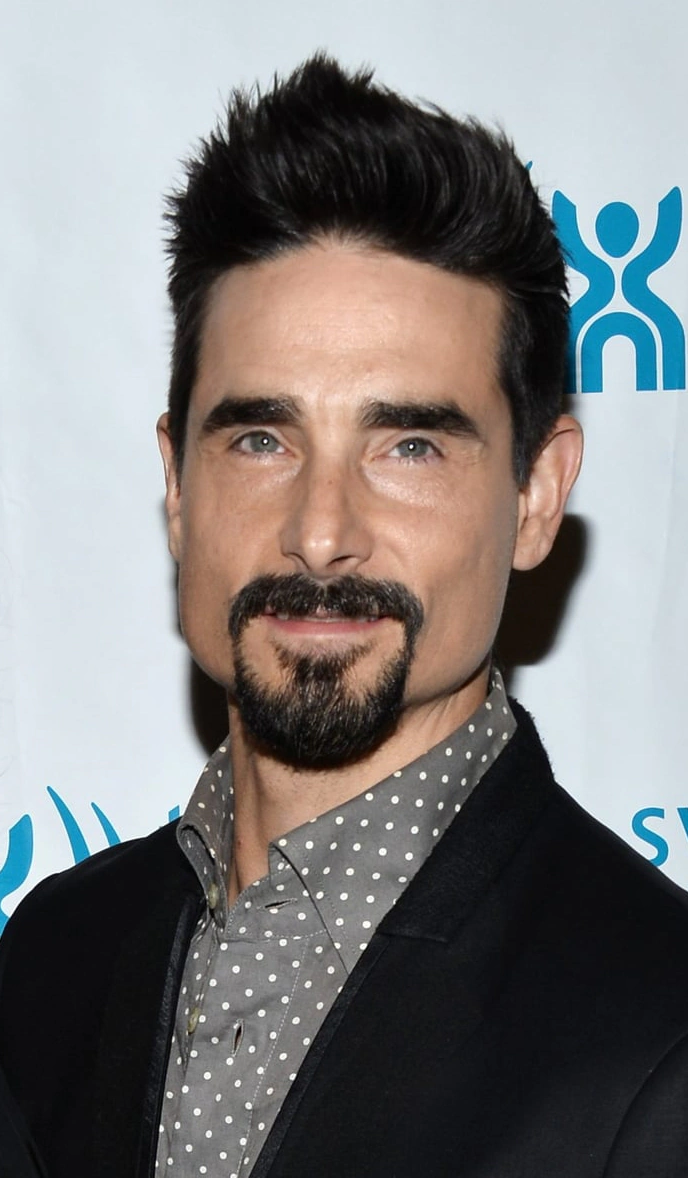
| 31 Quotes | |
| Occup. | Musician |
| From | USA |
| Spouse | Kristin Willits (2000) |
| Born | October 3, 1971 Lexington, Kentucky, USA |
| Age | 54 years |
| Cite | |
Citation Formats
APA Style (7th ed.)
Kevin richardson biography, facts and quotes. (2026, February 11). FixQuotes. https://fixquotes.com/artists/kevin-richardson/
Chicago Style
"Kevin Richardson biography, facts and quotes." FixQuotes. February 11, 2026. https://fixquotes.com/artists/kevin-richardson/.
MLA Style (9th ed.)
"Kevin Richardson biography, facts and quotes." FixQuotes, 11 Feb. 2026, https://fixquotes.com/artists/kevin-richardson/. Accessed 24 Mar. 2026.
Early Life and Background
Kevin Scott Richardson was born on October 3, 1971, in Lexington, Kentucky, and grew up in the bluegrass region of the American South at the tail end of the 1970s, when FM radio, disco spillover, and arena rock coexisted with church music and country traditions. His childhood world blended small-city familiarity with the mass culture pouring out of television and records, and he developed an early habit of listening not as a consumer but as a technician in the making - the kind of kid who noticed harmony stacks, instrumental colors, and how a chorus was built.Family life was marked by closeness and volatility: the home could feel festive, yet loss arrived early. His father, Jerald Wayne Richardson, died when Kevin was young, and the experience of grief in childhood - paired with the need to be steady within a large family - gave him an adultlike self-control that later read as poise onstage. That combination of tenderness and restraint became a defining emotional register in his public persona: approachable, meticulous, and quietly guarded.
Education and Formative Influences
Richardson attended Tates Creek High School in Lexington, where he moved between athletics, performance, and the disciplined teamwork of school life, then studied at the University of Kentucky while working toward music and performance opportunities. He also trained in dance and stagecraft, absorbing the late-1980s and early-1990s vocabulary of pop choreography that was becoming central to MTV-era stardom; the period rewarded performers who could sing, move, and project narrative through gesture, and he was intent on mastering all three.Career, Major Works, and Turning Points
In the early 1990s he relocated to Orlando, Florida, a boomtown for entertainment labor, where he worked at Walt Disney World while auditioning and building connections; the citys industry pipeline linked theme-park polish to the broader pop marketplace. In 1993 he joined the Backstreet Boys, the vocal group that would become one of the central acts of the modern boy-band era, helping define late-1990s global pop with tightly blended harmonies, synchronized choreography, and a carefully calibrated image of romantic sincerity. Their international breakthrough and later US domination culminated in blockbuster albums such as Backstreets Back (1997), Millennium (1999), and Black and Blue (2000), followed by cycles of hiatus, reinvention, and touring that tested endurance as much as talent. Richardson temporarily stepped away from the group in 2006, returned in 2012, and in the years after balanced band commitments with stage work and solo projects, navigating the difficult transition from teen-idol branding to adult artistry without abandoning the core craft - harmony, precision, and live performance.Philosophy, Style, and Themes
Richardsons inner life as a musician is best understood through his listening habits: he approached pop not as disposable pleasure but as layered architecture. “But I would lie on the floor and analyze everything. I'd listen to all the strings and the background vocals on the Saturday Night Fever soundtrack and try to pick out the different instruments”. The detail matters psychologically: it describes a mind that calms itself through structure, a performer who finds safety in arrangement and control in rehearsal, then converts that control into warmth onstage.That same sensibility shaped his style inside a group built on blend. He became associated with a grounded baritone presence - an anchor under bright lead lines - and with a seriousness that counterbalanced pop gloss. The roots of that seriousness, and his insistence that visibility should carry responsibility, appear in his environmental advocacy: “We're not saying that you don't need coal, but when you do mine the coal there are responsibilities to it. It may cost a little more, but it is the right thing to do”. He also framed his activism in pragmatic terms of reach and access rather than celebrity spectacle: “I wanted to help raise awareness, so I created an environmental foundation called Just Within Reach”. Together those statements reveal an ethic of stewardship - the conviction that performance is not only expression but also platform, and that adulthood means choosing duties that outlast the spotlight.
Legacy and Influence
Richardsons enduring influence rests in how he helped professionalize the modern pop-vocal ensemble: the Backstreet Boys became a template for harmony-driven boy-band craft, touring discipline, and cross-generational longevity, proving that a group formed in the teen-pop furnace could mature into a long-running live institution. As a public figure he also modeled a quieter kind of celebrity - less confessional than many peers, more focused on craft, family, and selective causes - and his return to the group after leaving strengthened the narrative that pop careers can include exits, recalibrations, and second acts without erasing what came before.Our collection contains 31 quotes written by Kevin, under the main topics: Ethics & Morality - Truth - Art - Justice - Music.
Other people related to Kevin: Brian Littrell (Musician), A. J. McLean (Musician)
Source / external links