
Kirk Franklin Biography Quotes 11 Report mistakes
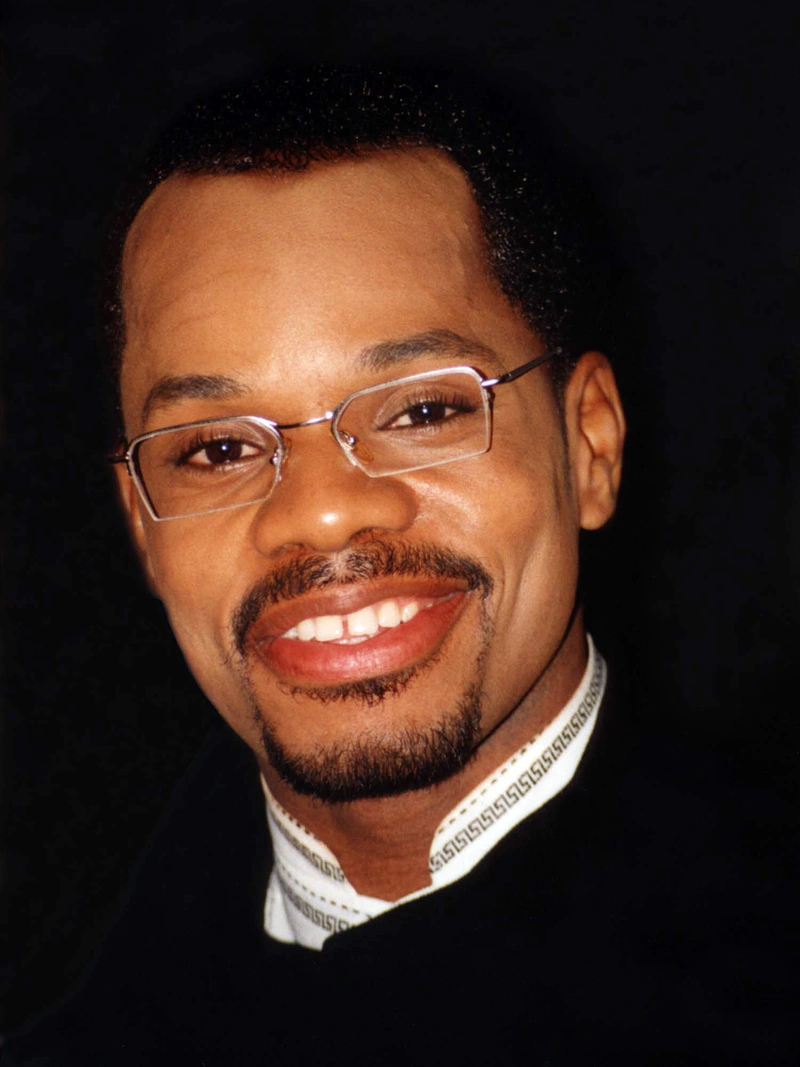
| 11 Quotes | |
| Born as | Kirk Dewayne Franklin |
| Occup. | Musician |
| From | USA |
| Spouse | Tammy Franklin |
| Born | January 26, 1970 Fort Worth, Texas, USA |
| Age | 56 years |
| Cite | |
Citation Formats
APA Style (7th ed.)
Kirk franklin biography, facts and quotes. (2026, February 11). FixQuotes. https://fixquotes.com/artists/kirk-franklin/
Chicago Style
"Kirk Franklin biography, facts and quotes." FixQuotes. February 11, 2026. https://fixquotes.com/artists/kirk-franklin/.
MLA Style (9th ed.)
"Kirk Franklin biography, facts and quotes." FixQuotes, 11 Feb. 2026, https://fixquotes.com/artists/kirk-franklin/. Accessed 25 Mar. 2026.
Early Life and Background
Kirk Dewayne Franklin was born in Fort Worth, Texas, in 1970, adopted as an infant by Gertrude Franklin, a devout woman who rooted her household in church life, strict discipline, and the expectation that music could be ministry. The world he entered was the post-civil rights Black South, where storefront churches, choirs, and radio carried both survival and celebration. Fort Worth offered him the same contradiction that would later animate his art - Sunday sanctity alongside weekday pressure, public testimony alongside private hurt.His childhood was marked by instability and anger as much as by musical promise. He has spoken candidly about early trauma, a longing for belonging, and a combustible temperament that sometimes found its outlet in fights and rebellion. Yet the church also gave him structure, mentors, and an arena where emotion could be organized into sound. The choir stand became a place where grief could be voiced without surrendering to it, and where a boy with little control over his origins could control tempo, harmony, and release.
Education and Formative Influences
Franklin learned piano young and absorbed the Black gospel tradition at close range - the call-and-response of sanctified worship, the disciplined excellence of mass choirs, and the rhythmic vocabulary that ran from funk and R&B to contemporary radio. As a teenager he directed choirs in Fort Worth, developing an arranger's ear and a bandleader's authority before he had adult certainty. Those early years trained him in a rare bilingualism: church music as spiritual practice and church music as public performance, each with its own demands of truth, charisma, and endurance.Career, Major Works, and Turning Points
In the early 1990s he formed a large ensemble that became Kirk Franklin and the Family and helped shift gospel's commercial center without abandoning its congregational roots. His breakthrough album "Kirk Franklin & The Family" (1993) and the follow-up "The Nu Nation Project" (1998) turned choir-driven gospel into a mainstream force, with songs like "Stomp" and later "Revolution" functioning as both altar call and street-level anthem. He expanded the template with projects such as "God's Property" (1997), "The Rebirth of Kirk Franklin" (2002), "Hello Fear" (2011), and "Losing My Religion" (2015), winning multiple Grammy Awards while keeping a working band-and-choir aesthetic. A major turning point was his decision to foreground testimony about mental health, family strain, and leadership pressure, especially in seasons when fame exposed rather than soothed his old wounds; the vulnerability became part of the ministry, not a detour from it.Philosophy, Style, and Themes
Franklin's inner life - the adopted child trying to be chosen, the church kid trying not to be consumed by anger, the public worship leader negotiating private fear - is the engine of his catalog. He repeatedly returns to the psychology of comparison, performance, and the exhausting hunt for approval, insisting that liberation begins when the mask comes off. “The reason we struggle with insecurity is because we compare our behind-the-scenes with everyone else’s highlight reel.” That line explains both his pop-cultural fluency and his pastoral intent: modern life, like modern celebrity, can make shame feel normal, and he writes hooks that interrupt it.His style fuses choir harmonies with hip-hop drums, R&B phrasing, and a producer's sense of dynamics - the quiet admission that swells into communal insistence. Beneath the polish is a theology of disclosure and repair: “You can’t heal what you won’t reveal.” He frames church not as a gated community for the morally impressive but as a triage center for the emotionally bleeding: “The church has a responsibility to be a hospital for the broken, not a museum for the perfect.” The recurring theme is not triumphalism but recovery - faith as the courage to keep moving while afraid, to keep singing while unfinished.
Legacy and Influence
Franklin helped re-architect contemporary gospel for the late 20th and early 21st centuries, proving that a choir could share space with programmed drums and still sound like church. He opened doors for artists who wanted spiritual content without insulating themselves from contemporary production, and he normalized a more psychologically direct gospel language - one that speaks about anxiety, insecurity, family fracture, and the cost of leadership. His enduring influence lies in that balancing act: making arena-ready music that still functions as testimony, and modeling a public faith that admits imperfection while insisting on hope.Our collection contains 11 quotes written by Kirk, under the main topics: Motivational - Honesty & Integrity - Failure - Faith - Mental Health.
Source / external links