
Lady Gaga Biography Quotes 33 Report mistakes
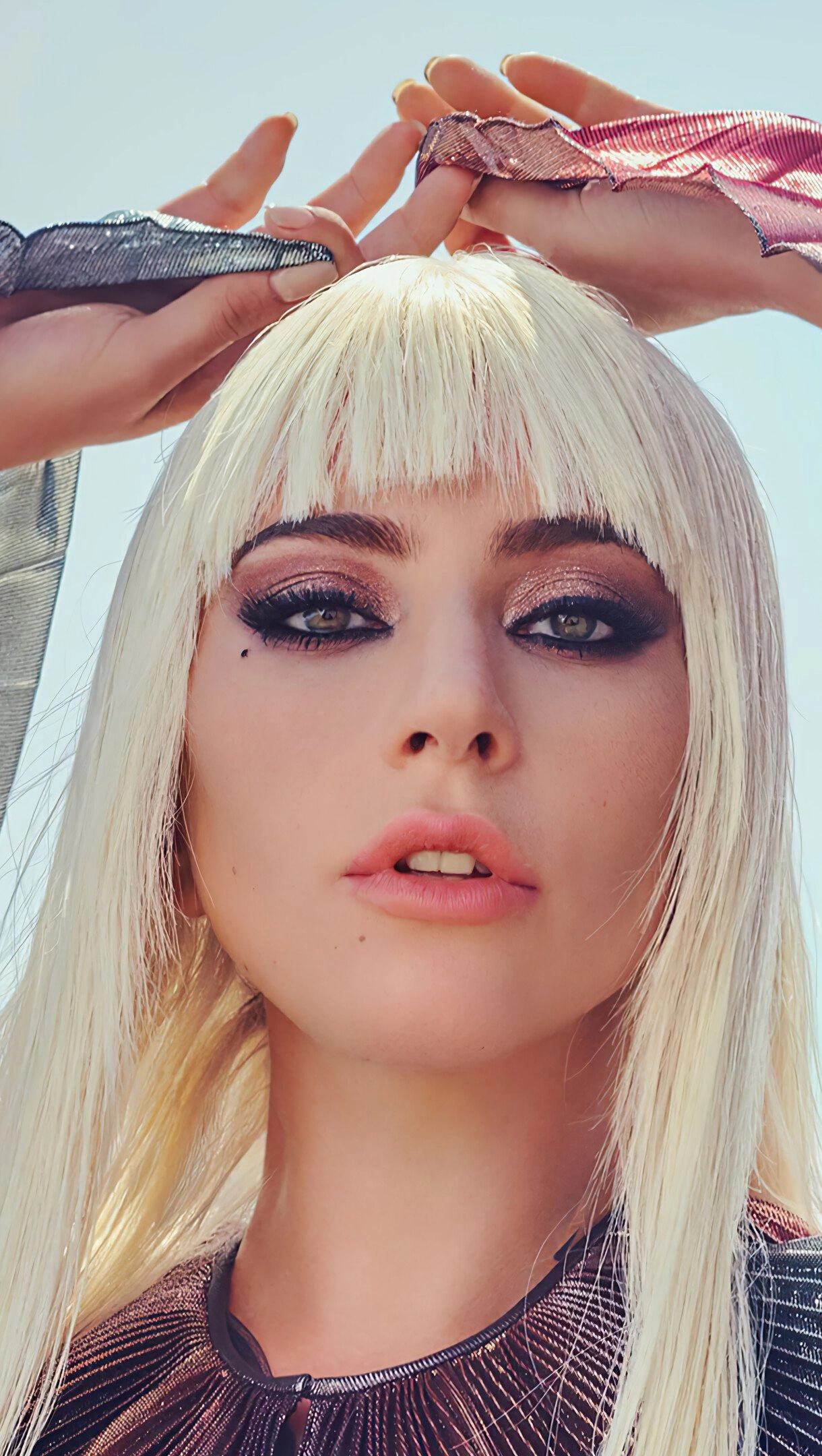
| 33 Quotes | |
| Born as | Stefani Joanne Angelina Germanotta |
| Occup. | Musician |
| From | USA |
| Spouse | Christian Carino (2018-2020) |
| Born | March 28, 1986 New York City, New York, USA |
| Age | 39 years |
| Cite | |
Citation Formats
APA Style (7th ed.)
Lady gaga biography, facts and quotes. (2026, February 11). FixQuotes. https://fixquotes.com/artists/lady-gaga/
Chicago Style
"Lady Gaga biography, facts and quotes." FixQuotes. February 11, 2026. https://fixquotes.com/artists/lady-gaga/.
MLA Style (9th ed.)
"Lady Gaga biography, facts and quotes." FixQuotes, 11 Feb. 2026, https://fixquotes.com/artists/lady-gaga/. Accessed 25 Mar. 2026.
Early Life and Background
Stefani Joanne Angelina Germanotta was born March 28, 1986, in Manhattan, New York City, and raised on the Upper West Side in a Catholic, Italian American household. Her father, Joseph Germanotta, ran an internet-technology business; her mother, Cynthia (Bissett) Germanotta, worked in telecommunications. New York in the 1990s offered both proximity to prestige and a daily contest for belonging, and Gaga grew up inside that friction - privileged enough to access elite schools and musical training, yet socially exposed to the citys relentless hierarchies of cool.From early childhood she gravitated toward performance as both refuge and engine. She learned piano young, wrote songs as a preteen, and staged herself with the intensity of someone building a self that could not be negotiated away. Classmates later described her as bright, driven, and odd in the way that is often punished before it is rewarded. The future Lady Gaga took shape as a coping strategy that hardened into vocation: if the room would not give her a role, she would invent one and arrive already costumed in conviction.
Education and Formative Influences
She attended the Convent of the Sacred Heart, then enrolled at NYUs Tisch School of the Arts, entering in 2005 and leaving after about a year to pursue music full-time. The downtown scene - clubs, drag performance, fashion experimentation, and the lineage of Warhol, Bowie, and Madonna - gave her a vocabulary for spectacle with purpose, while her technical grounding in pop craft came from obsessive study of melody, piano harmony, and the mechanics of hooks.Career, Major Works, and Turning Points
After early stints writing for others at Interscope and a bruising first label experience, she reemerged with a new name and a sharper concept of fame as medium. Signed to Streamline/Interscope, she broke globally with The Fame (2008) and its club-pop singles "Just Dance" and "Poker Face", then enlarged the myth with The Fame Monster (2009) and its sharpened anxieties about desire and celebrity. Born This Way (2011) made identity politics radio-sized; Artpop (2013) chased high-concept maximalism; and a major pivot arrived with the jazz album Cheek to Cheek (2014) with Tony Bennett, proving her as a traditional vocalist. She completed a public reinvention with Joanne (2016), then won an Oscar for "Shallow" from A Star Is Born (2018), a performance that fused vulnerability with star power. In the 2020s she maintained dual citizenship in dance-pop and classic songbook - Chromatica (2020), Love for Sale (2021) with Bennett - while acting in high-profile films and sustaining an empire of touring, fashion, and philanthropy.Philosophy, Style, and Themes
Gagas inner life has long been organized around the idea that identity is not merely discovered but authored. She treats the stage as a laboratory where pain can be transmuted into permission for others, and where exaggeration becomes a form of truth-telling. Her work often dramatizes the costs of being looked at - the thrill, the dissociation, the hunger to control the gaze before it controls you. The persona is not an escape from reality so much as an instrument for reshaping it: “I live halfway between reality and theater at all times. And I was born this way”. That sentence captures the central paradox of her art - sincerity delivered through choreography, confession delivered through costume.Her style fuses pop engineering with performance art, using shock less for scandal than for attention as a moral resource. In the New York milieu that trained her, earnest pop could be treated as social failure: “Where I come from it was really unheard of to be at a party and someone says, 'What kind of music do you make?', and you say, 'Pop music.' You may as well have 'I'm not cool' stamped on your forehead”. She responded by making pop into high drama, turning hook-writing into a battlefield for dignity. Yet she insists the construction is human at its core - “I don't see myself in terms of artifice. I see myself as a real person who chooses to live my life in an open way - artistically”. Psychologically, that openness functions as both armor and offering: a way to control exposure by staging it, and a way to convert private wounds into communal choruses about self-acceptance, fame, sex, devotion, and survival.
Legacy and Influence
Lady Gaga helped reset 21st-century pop by proving that mass appeal could carry avant-garde staging, queer-coded theater, and a self-conscious critique of celebrity without abandoning melody. Her impact is visible in the renewed legitimacy of maximalist visuals, in the freedom younger artists claim to move between genres and mediums, and in the expectation that a pop star can also be an actor, curator, and activist. Through the Born This Way Foundation and her public discourse on mental health and belonging, she extended her aesthetic argument into civic space: that the self, however constructed, can still be real - and that performance can be a technology for courage.Our collection contains 33 quotes written by Lady, under the main topics: Witty One-Liners - Motivational - Art - Music - Honesty & Integrity.
Other people related to Lady: Ariana Grande (Actress), Bradley Cooper (Actor), Clarence Clemons (Musician)
Source / external links