
Levon Helm Biography Quotes 34 Report mistakes
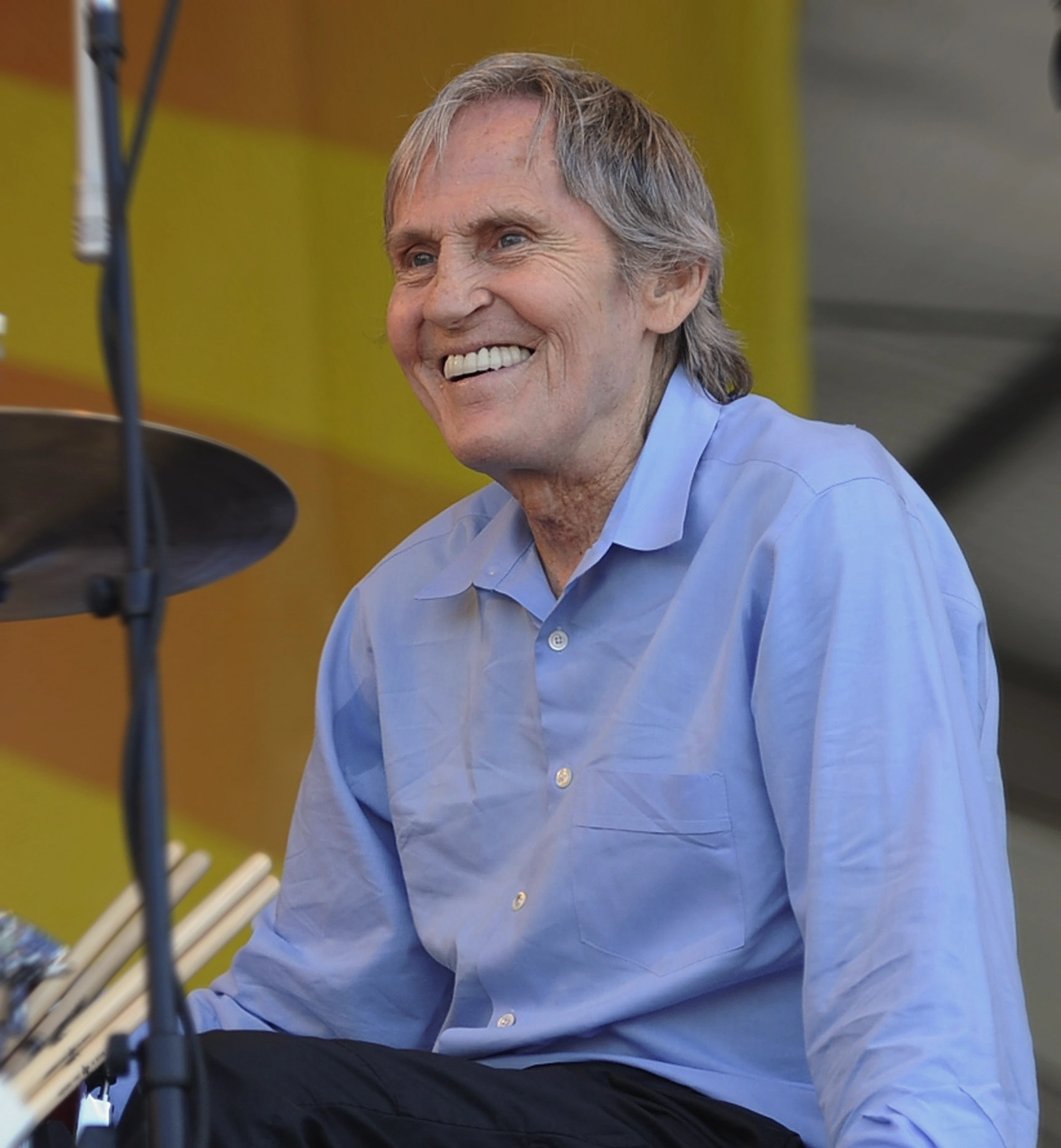
| 34 Quotes | |
| Born as | Mark Lavon Helm |
| Occup. | Musician |
| From | USA |
| Born | May 26, 1940 Elaine, Arkansas, U.S. |
| Died | April 19, 2012 New York City, New York, U.S. |
| Cause | Cancer |
| Aged | 71 years |
| Cite | |
Citation Formats
APA Style (7th ed.)
Levon helm biography, facts and quotes. (2026, February 11). FixQuotes. https://fixquotes.com/artists/levon-helm/
Chicago Style
"Levon Helm biography, facts and quotes." FixQuotes. February 11, 2026. https://fixquotes.com/artists/levon-helm/.
MLA Style (9th ed.)
"Levon Helm biography, facts and quotes." FixQuotes, 11 Feb. 2026, https://fixquotes.com/artists/levon-helm/. Accessed 27 Mar. 2026.
Early Life and Background
Mark Lavon Helm was born May 26, 1940, in Elaine, Arkansas, and grew up in nearby Marvell in the Mississippi Delta, a landscape of cotton fields, river towns, and Saturday-night juke joints where blues, country, and gospel bled into one another. His family life was working-class and practical, but the region's music was unavoidable: radio barn dances, church singing, and the direct physicality of drums at local gatherings shaped his earliest sense that rhythm was not ornament but the engine of communal feeling.As a teenager he absorbed the Delta's hybrid vocabulary and watched touring performers pass through - including formative exposure to rockabilly and early rock-and-roll - and he began playing drums in local groups with a seriousness that bordered on vocation. The South he came from prized story and groove over polish, and that sensibility stayed with him: a belief that a band earns its authority by sounding like a place and by carrying the weight of ordinary lives, not by chasing novelty for its own sake.
Education and Formative Influences
Helm did not follow an academic path so much as an apprenticeship path, learning by playing dances, listening closely, and stealing technique from anyone who had it; he later summed up this ethos plainly: “I've had all the lessons I could get. I've learned from everybody I've ever met”. Delta blues drumming, country backbeat, and R&B pocket merged into a style that supported singers without shrinking behind them, and his warm, plainspoken tenor - part Arkansas porch, part barroom witness - became another instrument in the kit.Career, Major Works, and Turning Points
In 1961 Helm joined Canadian rockabilly singer Ronnie Hawkins, moving north and becoming the drummer and an eventual vocal anchor for what evolved into the Hawks: Robbie Robertson, Rick Danko, Richard Manuel, and Garth Hudson. After grueling club circuits they backed Bob Dylan on the electrified 1965-66 tours, enduring hostile audiences and the psychological pressure of being cast as villains in folk's civil war; Helm briefly quit, disillusioned by the nightly combat, then regrouped with the others in Woodstock, New York. There, as The Band, they forged a new American vernacular on Music from Big Pink (1968) and The Band (1969), then expanded it on Stage Fright (1970) and Cahoots (1971), with Helm's drumming and lead vocals ("The Night They Drove Old Dixie Down", "Up on Cripple Creek") providing grit and moral center. The era's peaks carried shadows - substance abuse, fraying relationships, and the burden of mythmaking - culminating in The Last Waltz (1976), Martin Scorsese's concert film that documented both triumph and exhaustion; later decades brought intermittent Band reunions without Robertson, acting roles (Coal Miner's Daughter, 1980; The Right Stuff, 1983), solo recordings, and a long struggle with throat cancer that threatened his voice. Against that, he reinvented his late career through the Midnight Rambles at his Woodstock home-studio, a roots-music salon that led to acclaimed albums Dirt Farmer (Grammy, 2007) and Electric Dirt (Grammy, 2009), before his death on April 19, 2012.Philosophy, Style, and Themes
Helm's musicianship was built on the democratic physics of a room: timing as empathy, volume as conversation, and feel as a moral choice. He rejected the idea that a band is a closed circuit of virtuosos, insisting instead that performance is co-authored in real time: “The crowd is just as important as the group. It takes everything to make it work”. That conviction helps explain his stage presence - half drummer, half narrator - always leaning toward the audience as if to test whether the story landed, whether the beat could carry a shared memory.His creative method was similarly grounded: craft arrived through repetition, listening, and the humility to let a song teach you how it wants to live. “Most of our stuff was trial and error. You live with a tape recorder, you turn it on, you play the song and you listen to it”. In interviews he could puncture grand narratives with a rural comedian's skepticism - “When the second record came out, they started calling it The Band. I voted to call it The Crackers. I'm no fool”. - but the joke hid a deeper instinct: resist branding, protect the human scale, keep the music tied to labor and laughter. The themes he gravitated toward - hard luck, endurance, home, and the uneasy romance of the American past - were never abstractions; sung in his voice, history sounded like weather, and nostalgia always carried a bill.
Legacy and Influence
Helm endures as one of rock's defining drummer-singers and as a key architect of the roots-rock language that followed The Band: an approach where groove serves narrative and ensemble interplay is the main event. His backbeat - earthy, slightly behind the beat, endlessly supportive - became a template for Americana and jam-band traditions, while his late-life Midnight Rambles modeled a different kind of success: place-based, community-fed, and artist-run. In an era that often separated authenticity from showmanship, Helm proved they could be the same thing - a craftsman whose best work made audiences feel not dazzled but included.Our collection contains 34 quotes written by Levon, under the main topics: Witty One-Liners - Music - Learning - Kindness - Work Ethic.
Other people related to Levon: Max Weinberg (Musician)
Source / external links