
Lil' Romeo Biography Quotes 2 Report mistakes
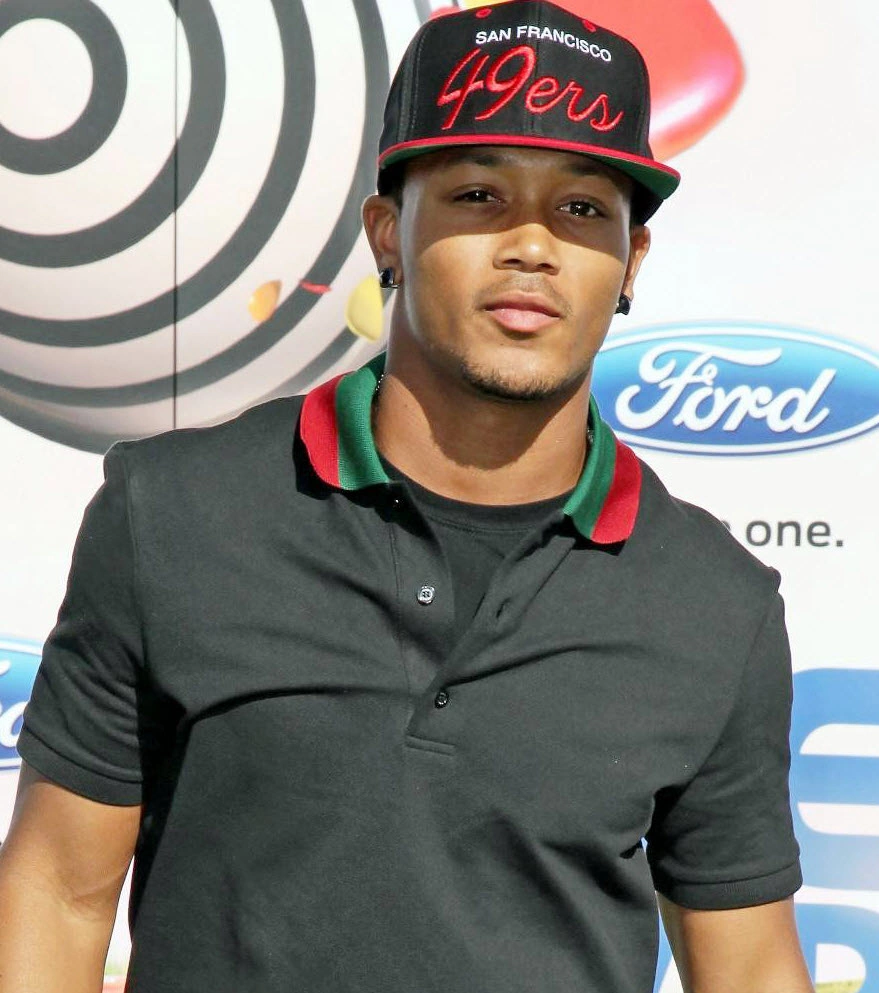
| 2 Quotes | |
| Born as | Percy Romeo Miller |
| Occup. | Musician |
| From | USA |
| Born | August 19, 1989 New Orleans, Louisiana, USA |
| Age | 36 years |
| Cite | |
Citation Formats
APA Style (7th ed.)
Lil' romeo biography, facts and quotes. (2026, February 28). FixQuotes. https://fixquotes.com/artists/lil-romeo/
Chicago Style
"Lil' Romeo biography, facts and quotes." FixQuotes. February 28, 2026. https://fixquotes.com/artists/lil-romeo/.
MLA Style (9th ed.)
"Lil' Romeo biography, facts and quotes." FixQuotes, 28 Feb. 2026, https://fixquotes.com/artists/lil-romeo/. Accessed 28 Mar. 2026.
Early Life and Background
Percy Romeo Miller was born on August 19, 1989, in the United States, into a family whose identity was already intertwined with Southern hip-hop entrepreneurship. Growing up as the son of Percy "Master P" Miller meant his childhood unfolded inside an economy of mixtapes, independent distribution, and the late-1990s No Limit Records machine - a world where music was not only art but a family business with deadlines, marketing plans, and relentless output.That proximity gave him unusual advantages and unusual pressures. He was introduced to audiences as "Lil' Romeo" while still a child, and the public often treated his success as an extension of his father's fame. Yet the domestic reality was less red-carpet fantasy than constant motion: studio time at home, older relatives and collaborators circulating, and a sense that performance and work were normal parts of daily life rather than special events reserved for adults.
Education and Formative Influences
Miller came of age during the crossover era when hip-hop moved deeper into pop radio, teen television, and brand tie-ins, and his formative influences blended family mentorship with the broader commercial sound of the time. The same environment that trained him to think in hooks and image also taught him the mechanics behind the curtain - how songs were built, how features were negotiated, and how a persona could be managed without collapsing the private self.Career, Major Works, and Turning Points
He broke through in the early 2000s as a child rapper positioned for mainstream appeal, scoring a major hit with "My Baby" and releasing his debut album Lil' Romeo (2001), followed by Game Time (2002). As he grew older, he expanded beyond music into acting and youth entertainment, anchoring his visibility through TV and film work while continuing to record and collaborate, often within the orbit of the Miller family enterprises. The key turning point was the inevitable one for child stars in hip-hop: the transition to adolescence and adulthood, when the cute novelty that sells a first wave can become a trap. Miller responded by widening his résumé - musician, actor, and brand - in an attempt to keep agency over a career that began before he could fully choose it.Philosophy, Style, and Themes
Miller's inner life, as it appears through interviews and his early catalog, is marked by a childhood spent negotiating play and labor. “My dad and my uncles used to always be in the studio at my house”. That sentence carries a psychology of normalization: creativity was ambient, constant, and social, not an isolated burst of inspiration. It helps explain why his early records lean toward accessible melodies and family-friendly framing - not because the music lacked hip-hop roots, but because his primary environment was a working studio where songs had to function, travel, and sell.At the same time, his story contains a quiet apprehension about evaluation and authority - the fear of being measured, not only as an artist, but as a son. “We would make songs, and the producers said we should play it for my dad. I was kind of scared, I didn't know what to think cuz we were just joking around”. The tension between "joking around" and professional scrutiny becomes a recurring theme: youthful spontaneity colliding with a brand-conscious industry. Stylistically, that collision produced a sound designed for broad audiences - clean hooks, bright production, and confident swagger - while thematically it often circled around self-belief, ambition, and proving legitimacy beyond lineage.
Legacy and Influence
Lil' Romeo's enduring significance lies less in a single canonical album than in what his trajectory illustrates about the era that made him: the early-2000s convergence of rap, teen pop, and multimedia celebrity, and the complicated inheritance of family-run hip-hop empires. He helped normalize the idea that a young rapper could be packaged for mainstream youth markets without fully abandoning hip-hop identity, and his career remains a case study in growing up inside fame - learning to perform authenticity while quietly trying to define a self that existed before the spotlight and still had to survive after it.Our collection contains 2 quotes written by Lil', under the main topics: Father - Family.
Source / external links