
Little Milton Biography Quotes 10 Report mistakes
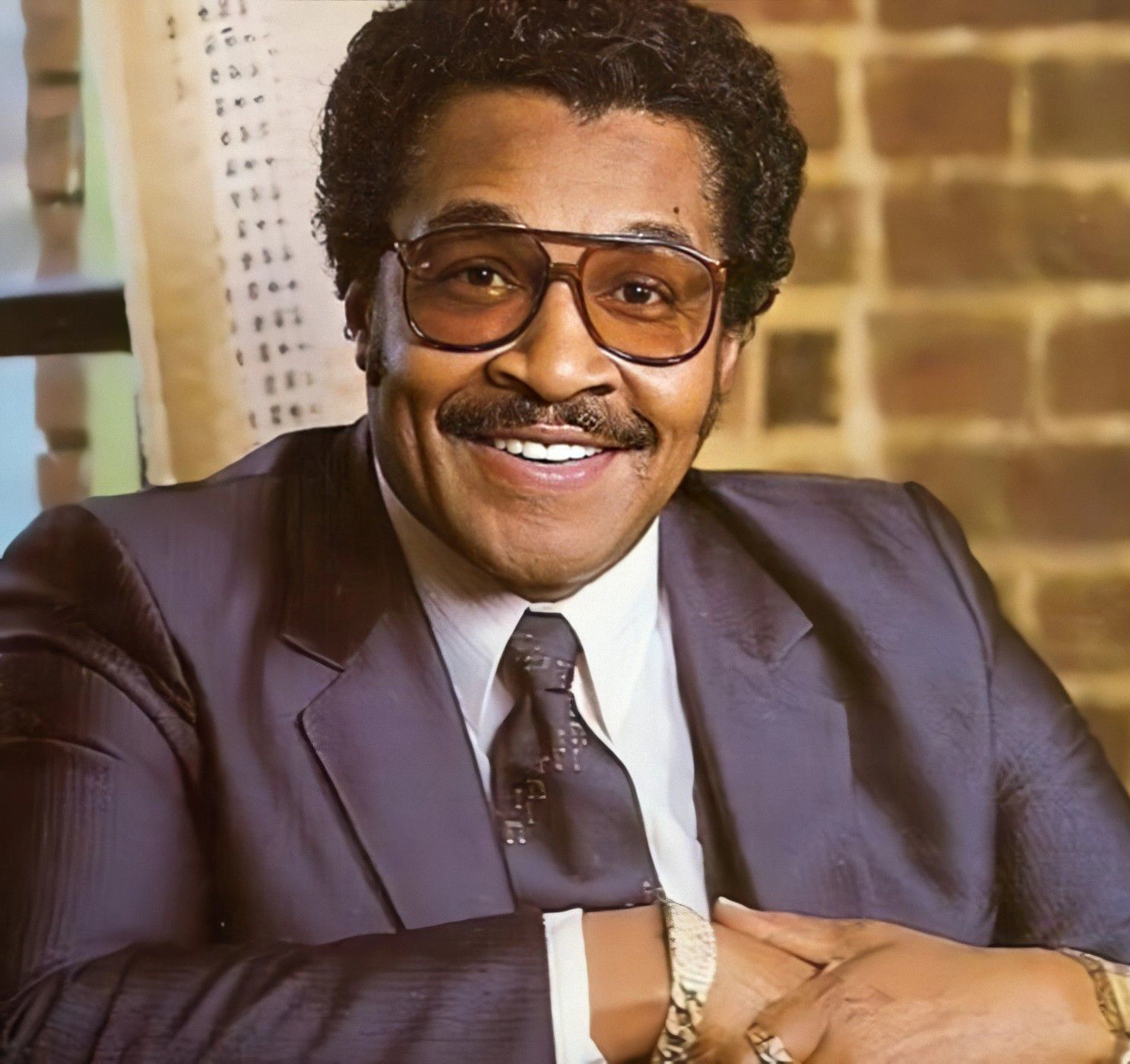
| 10 Quotes | |
| Born as | James Milton Campbell Jr. |
| Occup. | Musician |
| From | USA |
| Born | September 17, 1934 Inverness, Mississippi, USA |
| Died | August 4, 2005 Memphis, Tennessee, USA |
| Cause | Complications from a stroke |
| Aged | 70 years |
| Cite | |
Citation Formats
APA Style (7th ed.)
Little milton biography, facts and quotes. (2026, February 11). FixQuotes. https://fixquotes.com/artists/little-milton/
Chicago Style
"Little Milton biography, facts and quotes." FixQuotes. February 11, 2026. https://fixquotes.com/artists/little-milton/.
MLA Style (9th ed.)
"Little Milton biography, facts and quotes." FixQuotes, 11 Feb. 2026, https://fixquotes.com/artists/little-milton/. Accessed 25 Mar. 2026.
Early Life
James Milton Campbell Jr., known to the world as Little Milton, was born on September 7, 1934, in Inverness, Mississippi. He grew up in the Delta at a time when blues culture was part of everyday life, and he gravitated to the guitar and voice as his means of expression. By his teens he was performing around the region, developing the supple vocal delivery and crisp, vocal-like guitar phrasing that would become his signature.First Recordings and Sun Connections
Milton's first notable break came when Ike Turner, working as a talent scout and bandleader, heard him and brought him to the attention of Sam Phillips in Memphis. Phillips recorded him at Sun Records in the early 1950s. Those early sides did not make him a star, but they introduced him to the demands of the studio and to the professional networks that linked Mississippi, Memphis, and St. Louis, setting the stage for his next leap.St. Louis, Bobbin Records, and Mentoring
By the late 1950s Milton was based in the St. Louis area, where he did more than front a band, he also moved into talent development. With local businessman Bob Lyons he worked at the Bobbin label, recording his own material and producing others. At Bobbin he helped nurture artists such as Albert King, cutting powerful singles that pointed the way to King's later fame. Milton also intersected with the circle around saxophonist-producer Oliver Sain, which would yield singers like Fontella Bass. This period revealed Milton not only as a performer but as a builder of a regional blues-soul ecosystem.
Breakthrough at Checker/Chess
Milton's national breakthrough arrived after he signed with Chess Records, recording for its Checker imprint in the early 1960s. Under the wider aegis of Leonard Chess and the Chicago operation's savvy A&R team, which included figures like Billy Davis, Gene Barge, and Raynard Miner, he crafted hits that fused blues grit with the momentum of soul. "We're Gonna Make It" in 1965 became his signature anthem, topping the rhythm and blues charts and crossing over to pop. Follow-ups such as "Blind Man", "Who's Cheating Who", "If Walls Could Talk", and "Grits Ain't Groceries (All Around the World)" confirmed his standing as an artist whose voice could plead, reassure, or testify with equal conviction. Milton's Checker records showcased his economical, singing guitar tone set against tight horn arrangements, reflecting the era's integration of blues and soul.Stax Years
When Chess waned, Milton shifted to Stax Records in Memphis, where Al Bell was steering the label and producers such as Allen Jones were shaping a tougher, contemporary sound. Backed by the city's seasoned rhythm sections and the Memphis Horns of Wayne Jackson and Andrew Love, Milton delivered some of his most enduring performances, including "That's What Love Will Make You Do", "Walkin' the Back Streets and Cryin'", and "If That Ain't a Reason (For Your Woman to Leave You)". These records deepened his persona: a compassionate, worldly narrator who could balance vulnerability with resolve, and a guitarist who knew when to burn and when to hold back.Malaco Era and the Road
After Stax's collapse, Milton eventually found a long-term home at Malaco Records in Jackson, Mississippi, where label heads Tommy Couch and Wolf Stephenson specialized in mature Southern soul and modern blues. Working closely with the label's writers and producers, including the prolific George Jackson, he issued a stream of albums that kept him on the road and on the charts of the blues world. He popularized "The Blues Is Alright", which became a contemporary club anthem. During these decades he toured relentlessly, often sharing bills with peers such as Bobby "Blue" Bland, Johnnie Taylor, and Denise LaSalle, reinforcing his role as a headlining bridge between traditional blues audiences and soul-oriented listeners.Style and Musicianship
Milton's artistry lay in the fusion of elements: a blues-rooted guitar style informed by singers as much as by guitarists, and a voice that could move from silky reassurance to raw testimony. He favored concise, lyrical solos and a call-and-response dialogue with horns and backing vocals, a discipline sharpened by years in Chicago and Memphis studios. While he admired figures like B.B. King and T-Bone Walker, he cast those influences in a soul-forward framework, giving his records a conversational intimacy that appealed across lines of age and taste.Bandstand Leadership and Industry Savvy
From Bobbin Records onward, Milton showed a rare combination of musical and managerial skills. He discovered and encouraged talent, produced sessions, kept tight bands, and understood how to shape arrangements for maximum impact. These skills sustained him through shifting markets and label upheavals; when styles changed, he adjusted his repertoire and presentation without sacrificing the core of his sound.Recognition and Influence
Over time, Milton's accomplishments were recognized by the blues community and beyond. He earned widespread respect from fellow musicians for his professionalism, from DJs and promoters for his reliability as a draw, and from audiences for songs that balanced urgency with optimism. He was later inducted into the Blues Hall of Fame, and his work became a touchstone for artists seeking to merge blues feeling with soul polish. His hits remained staples of radio and stage, and younger performers absorbed his lessons in dynamics, storytelling, and taste.Final Years and Legacy
Little Milton remained active into the 2000s, recording, touring, and carrying his blend of blues and soul to loyal fans. He died on August 4, 2005, in Memphis, Tennessee, following a stroke. He left behind a body of work that traces the postwar journey of the blues, from Delta juke joints to Memphis, Chicago, and the international stage, and a legacy as a singer, guitarist, producer, and mentor. Through the collaborations and communities that shaped him, figures like Ike Turner and Sam Phillips at the start, Bob Lyons and Albert King in St. Louis, the Chess and Stax teams in Chicago and Memphis, and the Malaco family in Jackson, he forged a career that honored the blues tradition while expanding its reach and vocabulary.Our collection contains 10 quotes written by Little, under the main topics: Music - Life - Gratitude - Mother - Work.
Other people related to Little: David Sanborn (Musician)
Source / external links