
Lloyd Banks Biography Quotes 11 Report mistakes
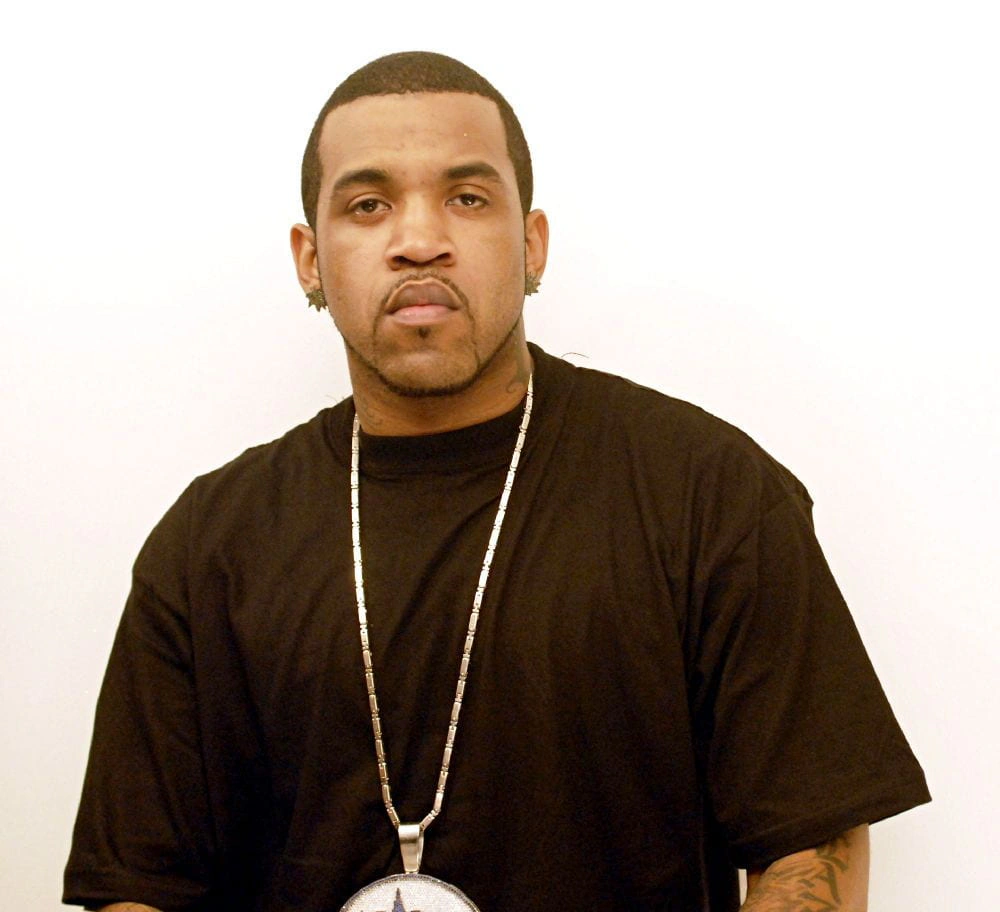
| 11 Quotes | |
| Born as | Christopher Charles Lloyd |
| Occup. | Musician |
| From | USA |
| Born | April 30, 1982 New Carrollton, Maryland, USA |
| Age | 43 years |
| Cite | |
Citation Formats
APA Style (7th ed.)
Lloyd banks biography, facts and quotes. (2026, February 11). FixQuotes. https://fixquotes.com/artists/lloyd-banks/
Chicago Style
"Lloyd Banks biography, facts and quotes." FixQuotes. February 11, 2026. https://fixquotes.com/artists/lloyd-banks/.
MLA Style (9th ed.)
"Lloyd Banks biography, facts and quotes." FixQuotes, 11 Feb. 2026, https://fixquotes.com/artists/lloyd-banks/. Accessed 26 Mar. 2026.
Early Life and Background
Christopher Charles Lloyd was born April 30, 1982, and raised in South Jamaica, Queens, New York, in the last afterglow of hip-hop's so-called golden age and the harder glare of the 1990s crack-era hangover. That neighborhood setting mattered: the borough that produced Run-DMC, LL Cool J, and Nas also produced a daily education in scarcity, vigilance, and performance - the kind of street-level realism that would later become one of Lloyd Banks' most reliable narrative engines.Banks came up in a home life marked by the ordinary pressures of working-class New York and the extraordinary presence of music as a viable ladder out. He began rapping young, sharpening his pen in the informal economies of schoolyards and corner cyphers where reputation is currency and a bar can carry consequences. The tension between aspiration and entrapment - wanting escape without forgetting what made escape necessary - remained a defining emotional chord in his adult work.
Education and Formative Influences
Banks attended local Queens schools, but his true education came from mixtape culture and the rituals of competition: freestyling, battling, recording rough demos, and studying the cadences of East Coast lyricists who fused storytelling with technical density. By his late teens he was already focused on craft - internal rhyme, punchline architecture, and the discipline of writing as a daily practice - while also absorbing the era's shifting industry logic, as radio, street DVDs, and early internet buzz began to rewrite how rappers were discovered and marketed.Career, Major Works, and Turning Points
In the early 2000s Banks emerged as a key member of 50 Cent's G-Unit, signing with Shady/Aftermath/Interscope and becoming one of the crew's main technicians - the quiet stylist who could out-rap almost anyone on a posse cut. He broke nationally through G-Unit releases and high-circulation mixtapes, then consolidated his profile with his debut album The Hunger for More (2004), buoyed by the hit "On Fire" and the more reflective "I'm So Fly". Follow-ups like The Rotten Apple (2006) arrived amid shifting label priorities and a changing market, but he stayed active through mixtapes and features, later reasserting his identity outside the group with projects such as H.F.M. 2 (2010), The Course of the Inevitable (2021), and The Course of the Inevitable 2 (2022). The arc shows a rapper repeatedly recalibrating: from the bombast of G-Unit's commercial peak to a more controlled, adult voice built for long-form listening rather than radio moments.Philosophy, Style, and Themes
Banks' psychology as an artist is rooted in motion - not just physical mobility, but imaginative range. He treats stagnation as a creative threat, arguing that experience is a prerequisite for subject matter: “If you stay in one place, you can only rap about one thing because that's all you know”. That line is not merely advice; it reads like self-discipline, a private rule against becoming a caricature of the neighborhood that made him. The G-Unit era gave him access to larger stages, but it also demanded adaptability: fame, street expectations, and corporate machinery converged, and Banks learned to survive by staying useful - lyrically sharp, dependable, and versatile.Stylistically, he is a technician with a cold surface and a bruised undertow: compact multis, understated menace, and a habit of pairing luxury images with the memory of deprivation. He often frames success as relief rather than triumph, measuring "making it" against what he watched people around him risk their lives to obtain: “I feel like I made it already, because I got already what everybody on the corners of the neighborhood I grew up in is striving to get”. Beneath the bravado sits a moral code that he presents as non-negotiable, a way to stay intact in a business that rewards compromise: “I take things like honor and loyalty seriously. It's more important to me than any materialistic thing or any fame I could have”. In that triad - movement, sufficiency, loyalty - Banks reveals a core fear of being reduced, owned, or spiritually outpaced by the very climb he sought.
Legacy and Influence
Lloyd Banks' enduring influence is less about celebrity than about craft: he helped define the early-2000s New York mixtape-to-mainstream pipeline and became a reference point for punchline-driven lyricism delivered with minimal theatrics. As rap's center of gravity shifted south and then toward streaming-era aesthetics, Banks persisted as a model for the long game - an MC who can move from blockbuster moments to mature, tightly written albums without abandoning the Queens realism that formed him. For listeners and younger rappers who prize bars, structure, and the hard-earned psychology behind them, he stands as proof that technical rapping can age into something quieter and deeper rather than simply louder or more nostalgic.Our collection contains 11 quotes written by Lloyd, under the main topics: Music - Leadership - Honesty & Integrity - Equality - Success.
Source / external links