
Maria Callas Biography Quotes 22 Report mistakes
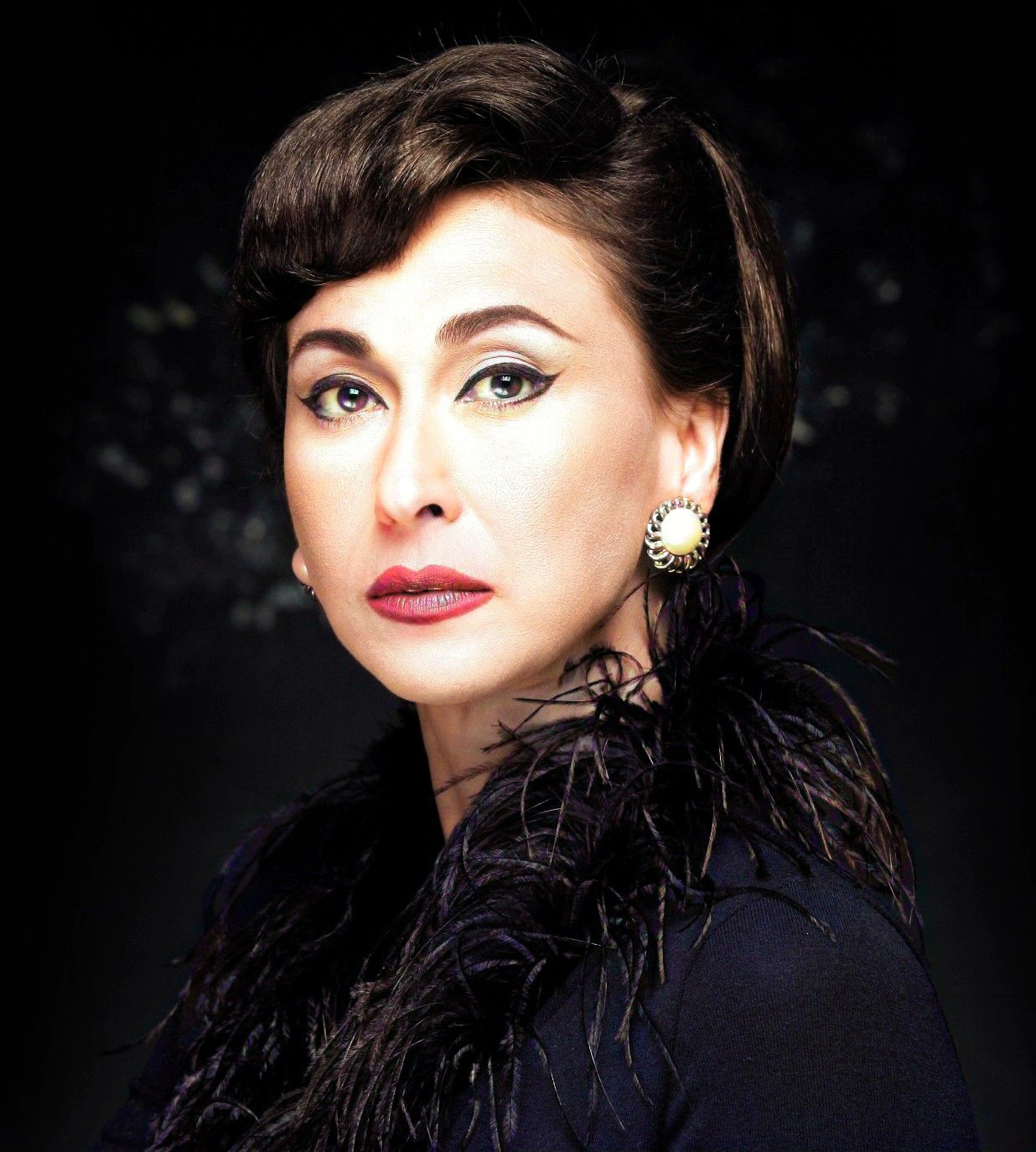
| 22 Quotes | |
| Born as | Maria Anna Cecilia Sophie Kalogeropoulos |
| Occup. | Musician |
| From | USA |
| Born | December 2, 1923 New York City, USA |
| Died | September 16, 1977 Paris, France |
| Aged | 53 years |
| Cite | |
Citation Formats
APA Style (7th ed.)
Maria callas biography, facts and quotes. (2026, February 11). FixQuotes. https://fixquotes.com/artists/maria-callas/
Chicago Style
"Maria Callas biography, facts and quotes." FixQuotes. February 11, 2026. https://fixquotes.com/artists/maria-callas/.
MLA Style (9th ed.)
"Maria Callas biography, facts and quotes." FixQuotes, 11 Feb. 2026, https://fixquotes.com/artists/maria-callas/. Accessed 12 Feb. 2026.
Early Life and Background
Maria Anna Cecilia Sophie Kalogeropoulos was born on December 2, 1923, in New York City to Greek immigrant parents, a family marked by ambition, financial strain, and emotional volatility. The household carried the tensions of assimilation and unmet hopes, and the young Maria grew up with a sharpened sense that approval had to be earned. Music became both refuge and proving ground - a place where discipline could transform insecurity into command.In the early 1930s, after her parents separated, she moved with her mother and sister to Athens, a shift that replaced American hustle with the hard edges of interwar Greece. The country was politically brittle and socially conservative, and the family lived modestly; Callas absorbed, early, the idea that survival required performance - not only onstage but in life. Those Athens years also gave her a kind of severity: an inwardness and self-scrutiny that later read, to audiences, as tragic glamour.
Education and Formative Influences
In Athens she trained seriously, first at the National Conservatoire and then at the Athens Conservatoire, studying with Elvira de Hidalgo, a former coloratura star who imposed old-world bel canto standards of line, agility, and expressive diction. Callas learned to treat technique as moral obligation: the voice must obey the drama, yet never lose its architectural control. Wartime Greece - occupation, scarcity, fear - formed the backdrop to her apprenticeship, and it heightened her intensity: she practiced as if art were not a pastime but a lifeline, and she listened obsessively to earlier generations, internalizing the traditions she would later revive and reinvent.Career, Major Works, and Turning Points
After early professional work in Greece during World War II, Callas rebuilt her career in Italy in the late 1940s, gaining momentum in Verona and then at La Scala in Milan, where her collaborations with conductor Tullio Serafin and director Luchino Visconti sharpened her fusion of vocal risk and theatrical truth. In the 1950s she became the defining soprano of her era, notorious for taking on radically varied repertoire - from Wagnerian demands early on to the bel canto of Bellini and Donizetti and the volcanic heroines of Verdi and Puccini. Her Norma, Lucia di Lammermoor, Anna Bolena, La traviata, and Tosca were not merely roles but events, and her recordings and international appearances made opera newly legible to mass culture. A dramatic weight loss in the mid-1950s altered her stage image and fueled a myth of self-reinvention, while vocal instability, fierce press scrutiny, and high-profile conflicts with management turned her into a public battleground for questions of artistic authority. By the 1960s her appearances grew fewer; the affair with shipping magnate Aristotle Onassis intensified tabloid fascination and intersected painfully with her professional retreat, culminating in a late period of isolation and sporadic returns, including masterclasses and a final, uneven concert tour in the mid-1970s.Philosophy, Style, and Themes
Callas understood opera as total inhabitation rather than decorative singing - an ethic that made her both electrifying and vulnerable. "An opera begins long before the curtain goes up and ends long after it has come down. It starts in my imagination, it becomes my life, and it stays part of my life long after I've left the opera house". That sentence is autobiography in miniature: she did not protect a private self from the work; she fed it to the work. The cost was evident in the way her performances could feel like exposure - the audience hearing not only a soprano but a psyche under pressure, striving for absolute expressivity and paying in nerves, stamina, and sometimes vocal security.Her style fused bel canto discipline with modern dramatic realism: long-breathed legato and fearless ornament were used not for prettiness but for character - pride, humiliation, erotic hunger, moral defiance. "I don't need the money, dear. I work for art". The line is not just bravado; it reveals a compulsive hierarchy in which art outranked comfort, diplomacy, even self-preservation. She seemed to accept, almost grimly, that greatness required antagonism: "When my enemies stop hissing, I shall know I'm slipping". Psychologically, this reads as a performer who measured vitality by resistance, converting hostility into proof of relevance - a strategy that sustained her through adoration and scandal, but also kept her in perpetual combat with institutions, critics, and her own body.
Legacy and Influence
Callas died in Paris on September 16, 1977, at 53, leaving a legacy that reshaped opera after World War II: she helped restore bel canto to the center of the repertory, proved that vocal beauty could coexist with textual precision and raw dramatic intelligence, and set new expectations for how a singer embodies character. Generations of sopranos have been judged against her - not because they imitate her timbre, but because she made interpretation unavoidable: phrasing as psychology, ornament as meaning, technique as theater. In recordings, photographs, and the persistent mythology of her life, Callas remains a modern archetype - the artist as total commitment, radiant achievement, and irreversible cost.Our collection contains 22 quotes written by Maria, under the main topics: Witty One-Liners - Art - Music - Leadership - Parenting.
Other people related to Maria: Arianna Huffington (Journalist), Franco Zeffirelli (Director), Walter Legge (Businessman), Alfredo Kraus (Musician)
Source / external links