
Maureen Forrester Biography Quotes 19 Report mistakes
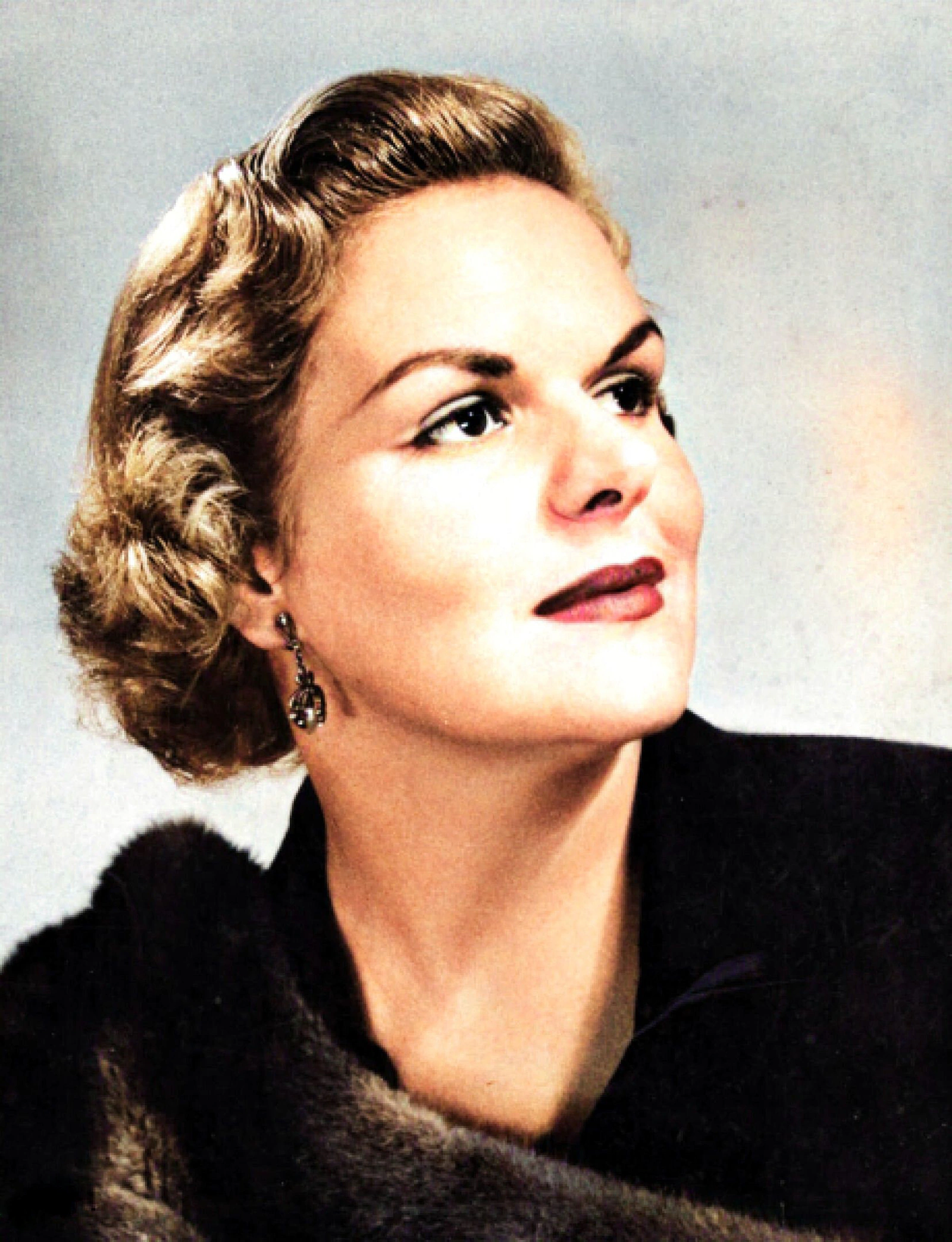
| 19 Quotes | |
| Occup. | Musician |
| From | Canada |
| Born | July 25, 1930 Montreal, Quebec, Canada |
| Died | June 16, 2010 Toronto, Ontario, Canada |
| Cause | Cancer |
| Aged | 79 years |
| Cite | |
Citation Formats
APA Style (7th ed.)
Maureen forrester biography, facts and quotes. (2026, February 11). FixQuotes. https://fixquotes.com/artists/maureen-forrester/
Chicago Style
"Maureen Forrester biography, facts and quotes." FixQuotes. February 11, 2026. https://fixquotes.com/artists/maureen-forrester/.
MLA Style (9th ed.)
"Maureen Forrester biography, facts and quotes." FixQuotes, 11 Feb. 2026, https://fixquotes.com/artists/maureen-forrester/. Accessed 26 Mar. 2026.
Early Life and Background
Maureen Forrester was born July 25, 1930, in Montreal, Quebec, into a working-class Catholic family in a city where English and French culture braided together and church music could be both social life and apprenticeship. Montreal in the Depression years and wartime 1940s offered few luxuries, but it did offer choirs, amateur societies, and the kind of musical seriousness that could flourish without elite patronage. Forrester grew up hearing not only hymns but the cadences of language, an early clue to the singer she would become - one who treated words as moral obligations, not decorations.Her mother, whom she later remembered as unusually energetic and community-minded, organized parish and church events and sang with an attractive natural voice, modeling both affection and performance without romanticizing domesticity. That household atmosphere mattered: Forrester absorbed that a voice was a gift to be put to use, but also that a life could be full of competing duties, desires, and forms of service. She also carried an early restlessness that would later harmonize with a touring career rather than fight it.
Education and Formative Influences
Forrester did not come up through a conservatory pipeline; she was shaped by local teachers, choirs, and practical work habits typical of Canadian musicians before the full postwar expansion of arts institutions. In Montreal she studied voice and languages while moving through the citys radio and church-music networks, learning to project in real rooms for real listeners, not merely in studio ideal conditions. Those formative years trained her ear toward clarity, steadiness, and stamina - the unglamorous virtues that make a contralto dependable in Bach, Handel, Mahler, and modern repertory alike.Career, Major Works, and Turning Points
In the early 1950s Forrester broke out quickly as a true contralto - a rarity - and became a flagship Canadian singer on international stages. She appeared with major orchestras and conductors and built a reputation in oratorio and concert works, notably Mahler and Bach, while also singing opera and recitals with a distinctive dark timbre and direct address. A defining turning point came with the discipline of large-scale repertory and broadcast culture: her presence translated on radio and recordings, helping her reach audiences beyond the opera house at a time when Canada was asserting a more confident cultural identity. Over decades she balanced travel with family life, and later became a public advocate for music education and young artists, turning personal experience into institutional generosity.Philosophy, Style, and Themes
Forrester approached singing as a form of ethical communication. Technical beauty mattered, but she distrusted beauty that floated above meaning: “Singing beautiful melodies is one thing, but to deliver the text so that the people understand it, even in a foreign language, has to be worked at very hard”. That sentence is more than advice - it reveals her inner psychology: a practical perfectionism, a refusal to hide behind timbre, and a conviction that the singers task is to serve the listener rather than seduce them. It also explains why her best performances often feel grounded, almost conversational, even when the music is monumental.Her themes, in life as in interpretation, circled around usefulness, resilience, and the duty to lift others. She made a point of encouragement rather than gatekeeping: “If somebody asks me to recommend a young, good singer, I always do”. The impulse is telling - she remembered how precarious early careers can be, and she treated talent as something that needs a bridge, not a verdict. She was equally frank about the pressure young people face and the necessity of realism: “It is important that they realize a mistake need not ruin their future, but they must also know that not everything in life is a bed of roses”. In her art this became a preference for truth over varnish - a contraltos clear-eyed warmth, capable of consolation without sentimentality.
Legacy and Influence
Forrester died June 16, 2010, leaving behind a model of the Canadian musician as both international artist and civic participant. Her legacy rests in the authority of her concert repertory, the example of a rare contralto voice deployed with linguistic care, and a public life that treated mentorship as a professional obligation rather than a public-relations pose. In an era when classical singing was increasingly marketed as personality, Forrester insisted on craft, text, and service - values that continue to shape how Canadian singers, presenters, and audiences understand what a great voice is for.Our collection contains 19 quotes written by Maureen, under the main topics: Art - Music - Learning - Life - Overcoming Obstacles.
Source / external links