
Michael Franti Biography Quotes 10 Report mistakes
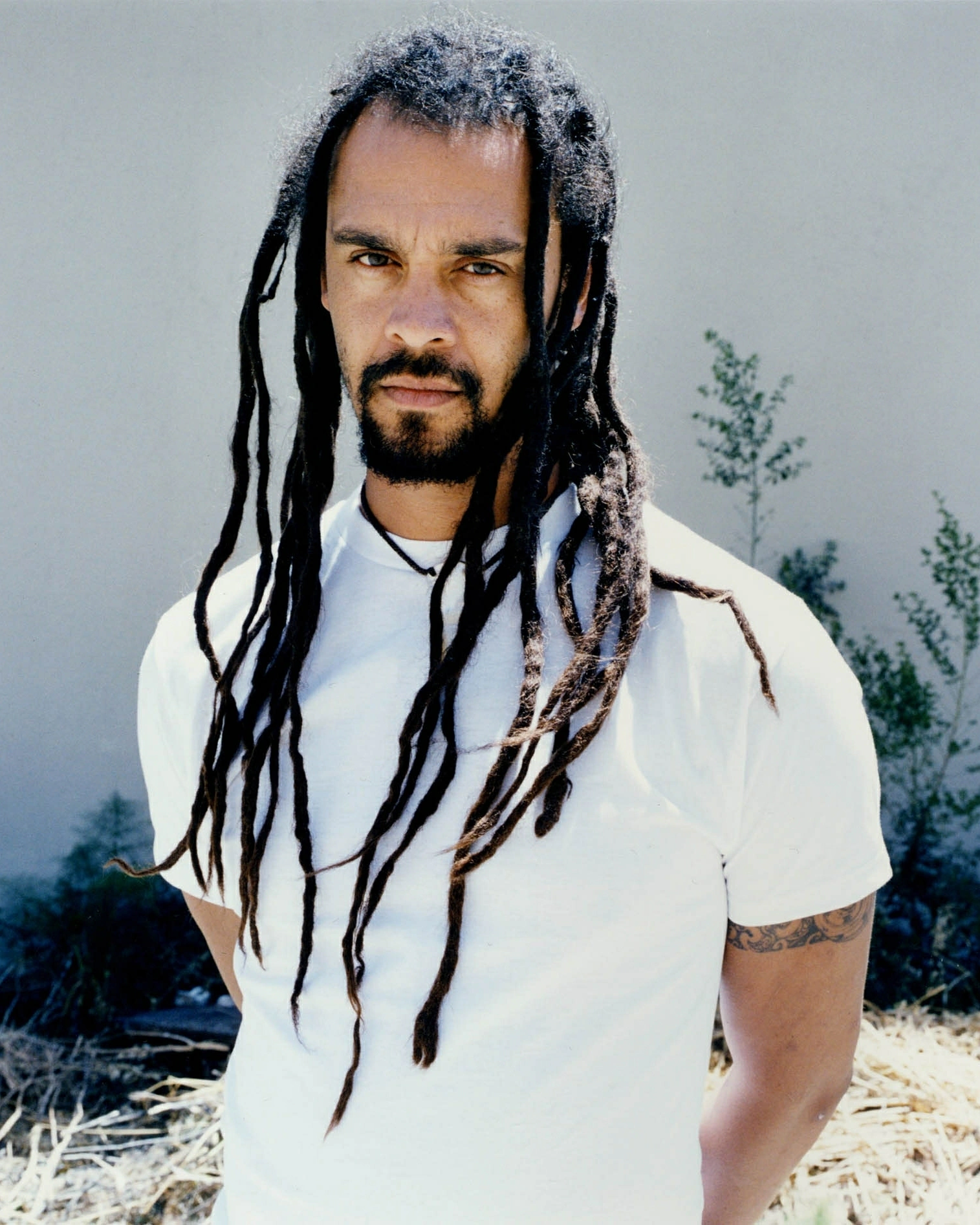
| 10 Quotes | |
| Occup. | Musician |
| From | USA |
| Born | April 21, 1967 Oakland, California, U.S. |
| Age | 58 years |
| Cite | |
Citation Formats
APA Style (7th ed.)
Michael franti biography, facts and quotes. (2026, February 23). FixQuotes. https://fixquotes.com/artists/michael-franti/
Chicago Style
"Michael Franti biography, facts and quotes." FixQuotes. February 23, 2026. https://fixquotes.com/artists/michael-franti/.
MLA Style (9th ed.)
"Michael Franti biography, facts and quotes." FixQuotes, 23 Feb. 2026, https://fixquotes.com/artists/michael-franti/. Accessed 3 Apr. 2026.
Early Life and Background
Michael Franti was born on April 21, 1967, in Oakland, California, at the hinge of eras: the afterglow of civil rights victories, the grinding aftermath of Vietnam, and the cultural ferment that made the Bay Area a pressure cooker for art and dissent. Adopted as an infant, he grew up in the San Francisco Bay Area in a multiracial family, an intimate daily lesson in belonging and difference. That early fact of adoption mattered less as a biographical footnote than as a lifelong emotional weather system - a prompt to ask who gets counted, who gets heard, and what community owes the people on its margins.
In adolescence he confronted instability and the familiar Bay Area split-screen of possibility and hardship. Sports and music offered structure; words offered a way to turn raw feeling into something portable. The region around him - Oakland, San Francisco, and the wider East Bay - carried both the visible scars of inequality and a long tradition of creative resistance. Franti absorbed that atmosphere early, and it seeded the conviction that performance could be more than entertainment: it could be a public form of care.
Education and Formative Influences
Franti attended the University of San Francisco, where he played basketball and studied while the late-1980s Bay Area mixed punk, hip-hop, and spoken word into new hybrids. He took in politically charged music and grassroots activism, learning how rhythm can function like a march and a chorus can work like a slogan. The era also taught him a practical lesson: audiences were hungry for honesty delivered with groove, not lectures delivered from a stage.
Career, Major Works, and Turning Points
Franti first emerged as a formidable presence with The Beatnigs, a percussive, industrial-leaning spoken-word project that fused tapes, metal, and political critique, before widening his sonic palette with Disposable Heroes of Hiphoprisy in the early 1990s - an act that matched hip-hop cadences with punk urgency and media satire. In 1996 he founded Spearhead, later billed as Michael Franti and Spearhead, shifting toward reggae, soul, folk, and pop structures without abandoning the activist spine. Albums such as Home (1994, with Disposable Heroes), Chocolate Supa Highway (1997), Stay Human (2001), and Yell Fire! (2006) tracked a growing insistence on melody as a delivery system for dissent, with the documentary I Know Im Not Alone (2005) reflecting his on-the-ground attention to war and its human costs. In the 2010s, radio-friendly singles like "Say Hey (I Love You)" and later "The Sound of Sunshine" broadened his audience, a turning point that tested whether mass appeal could coexist with a message - and, for Franti, proved that it could when anchored in empathy.
Philosophy, Style, and Themes
Franti's art is built on the belief that music is a social technology: it can turn strangers into a temporary community and translate pain into motion. His performances often emphasize participation - call-and-response, dance, direct conversation - because he treats a concert as a civic space rather than a pedestal. That approach also reflects his inner life: a performer managing intensity by distributing it, converting private anxiety into shared ritual. He has described the emotional bargain at the center of his songwriting: “Through music I either tame my demons or unleash them and allow them to be what they are. I don't want the music to be about provocation, I want the music to bring you to a place where you feel at home”. The phrasing is revealing: he does not deny darkness, but he refuses to make it the destination.
Lyrically, he pairs plainspoken slogans with intimate portraits, arguing for peace not as abstraction but as a daily practice of refusing dehumanization. “Sometimes the hardest thing to do is just to stay human”. That line functions like his moral compass, especially in songs shaped by war reportage and domestic inequality, where he insists the enemy is often numbness. At the same time, his optimism is not naive; it is chosen, a disciplined stance against despair. “We can bomb the world to pieces, but we can't bomb it into peace”. In Franti's catalog, love is not a retreat from politics - it is the political act that makes community possible.
Legacy and Influence
Franti's enduring influence lies in the way he normalized a compassionate, activist pop persona without surrendering musical pleasure: danceable grooves that carry hard truths, and sing-along hooks that smuggle in an ethic of solidarity. He helped model a late-20th-to-early-21st-century template in which the socially conscious musician is not merely a protest bard but a builder of spaces - festivals, tours, and grassroots initiatives - where people practice the kind of togetherness the songs describe. In an age when outrage can be monetized faster than empathy, his work has remained a case study in how warmth, humor, and rhythmic accessibility can keep moral seriousness alive in the mainstream.
Our collection contains 10 quotes written by Michael, under the main topics: Music - Life - Kindness - Poetry - Equality.
Source / external links