
Michael Nesmith Biography Quotes 29 Report mistakes
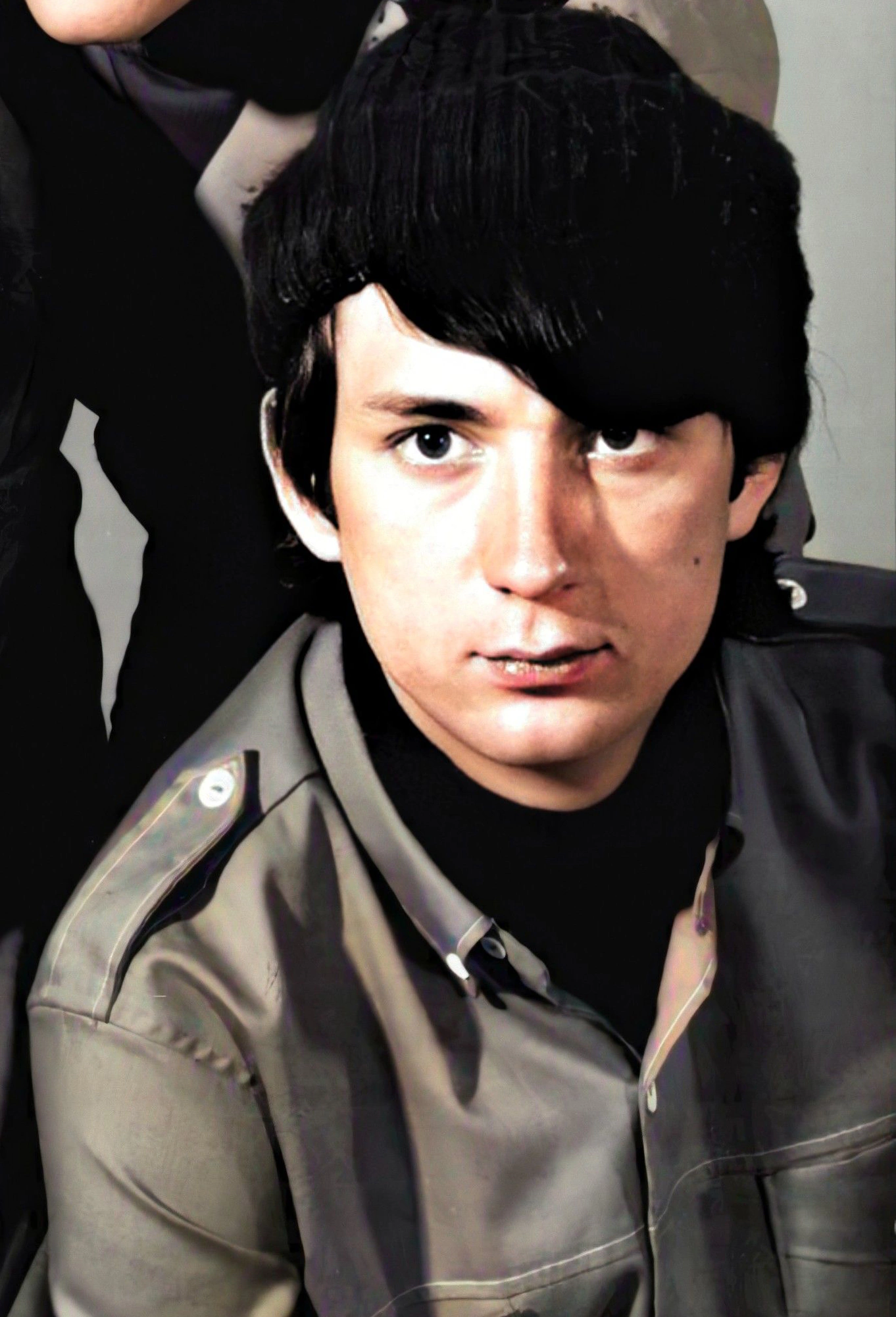
Attr: NBC Television
| 29 Quotes | |
| Born as | Robert Michael Nesmith |
| Occup. | Musician |
| From | USA |
| Born | December 30, 1942 Houston, Texas, USA |
| Died | December 10, 2021 |
| Aged | 78 years |
| Cite | |
Citation Formats
APA Style (7th ed.)
Michael nesmith biography, facts and quotes. (2026, February 18). FixQuotes. https://fixquotes.com/artists/michael-nesmith/
Chicago Style
"Michael Nesmith biography, facts and quotes." FixQuotes. February 18, 2026. https://fixquotes.com/artists/michael-nesmith/.
MLA Style (9th ed.)
"Michael Nesmith biography, facts and quotes." FixQuotes, 18 Feb. 2026, https://fixquotes.com/artists/michael-nesmith/. Accessed 11 Mar. 2026.
Early Life and Background
Robert Michael Nesmith was born on December 30, 1942, in Houston, Texas, and grew up amid the dislocations of postwar America - the promise of mass prosperity shadowed by divorce, mobility, and the new pressures of televised life. His father left early, and he was largely raised by his mother, Bette Nesmith Graham, who would later invent Liquid Paper and model an unusual kind of self-made ingenuity: a working woman solving a practical problem, then insisting it counted as invention and property. That household lesson - that ideas are labor, and labor deserves protection - stayed lodged in his thinking long after he became famous.Texas also gave him two contrary gifts: a love of plainspoken songcraft and a suspicion of smooth salesmanship. He was drawn to country, folk, early rock, and the narrative traditions that made a three-minute tune feel like a short story with consequences. Even before stardom, friends noted his mix of wit and distance - sociable on the surface, but always privately measuring the cost of attention and the terms of the deal.
Education and Formative Influences
After time in the U.S. Air Force in the early 1960s, Nesmith gravitated toward the Los Angeles music world, where Tin Pan Alley professionalism collided with countercultural aspiration. He wrote songs, learned studio discipline, and absorbed the era's tensions: authenticity versus commerce, folk sincerity versus pop mechanism. In that crucible he refined a personal ideal - that a musician could be literate, funny, and emotionally guarded, and still tell the truth by building better forms rather than by confessing everything.Career, Major Works, and Turning Points
Nesmith's life turned in 1965 when he was cast in The Monkees, the made-for-television band engineered to meet Beatlemania with American sitcom speed. He became the group's internal dissenter and catalyst, pushing for real instruments, more control, and stronger material, even as he helped deliver hits and a cultural phenomenon. After the TV series and the frenzy eased, he used the freedom to pursue his own map: the First National Band and the landmark 1970 album Magnetic South, followed by Loose Salute and Nevada Fighter, records that fused country instrumentation with rock attitude and a writer's eye for character and irony - a blueprint for what later critics would call country rock and, eventually, alt-country. In the late 1970s he extended his ambitions into video and narrative music projects, notably Elephant Parts (1981), which won the first Grammy for music video, and he became an early architect of the idea that visual media could serve songs rather than merely sell them. In later decades he alternated between retreat and reemergence, built business ventures that reflected his interest in rights and distribution, reunited periodically with Monkees bandmates, and returned to touring late in life, before dying on December 10, 2021, in the United States.Philosophy, Style, and Themes
Nesmith's writing voice was both intimate and armored - a conversational baritone that implied feeling without begging for it. He favored clean melodies, country phrasing, and arrangements that left room for the lyric to do its work: wry, moral, and often quietly wounded. His protagonists drift, bargain with themselves, and look for dignity inside systems that do not care. Even his humor carried a defensive intelligence, as if comedy were the safest way to speak plainly in a world that monetizes every admission.Behind that craft lay a principled obsession with ownership, exchange, and consent - not as abstractions, but as emotional boundaries. “The only people who steal are thieves, and that's a very small percentage of civilization. Most people want to have some way to make the economic transaction valid. They want to return the favor, if you will... return the benefit and reciprocate”. That belief reads like autobiography: a man made famous by a corporate concept, then determined to make the transaction valid on his own terms. “People recognize intellectual property the same way they recognize real estate. People understand what property is. But it's a new kind of property, and so the understanding uses new control surfaces. It uses a new way of defining the property”. In his inner life, control surfaces were also psychological - privacy, authorship, the right to step back. When he later said, “I'm not performing now. What I do now is listen to music all day long. Listening is very nourishing to me. I might go back to perform, I might make another record. I've got a record half finished”. , it revealed a lifelong pattern: withdrawal not as defeat, but as restoration, a way to keep the self from being consumed by its own public mask.
Legacy and Influence
Nesmith left two intertwined legacies: as a pivotal Monkee who fought to turn a manufactured act into a real band, and as a songwriter-innovator whose early 1970s records helped define country rock's future vocabulary. His advocacy for creators' rights anticipated the digital era's arguments over licensing and value, and his experiments with music video and long-form audiovisual storytelling helped normalize the idea that musicians could be media authors, not just performers. In the end, his influence is less a single style than a stance: insist on craft, insist on fair exchange, and protect the private core that makes the work worth hearing.Our collection contains 29 quotes written by Michael, under the main topics: Wisdom - Art - Puns & Wordplay - Music - Writing.
Other people related to Michael: Peter Tork (Musician), Linda Ronstadt (Musician)
Source / external links