
Mick Jagger Biography Quotes 28 Report mistakes
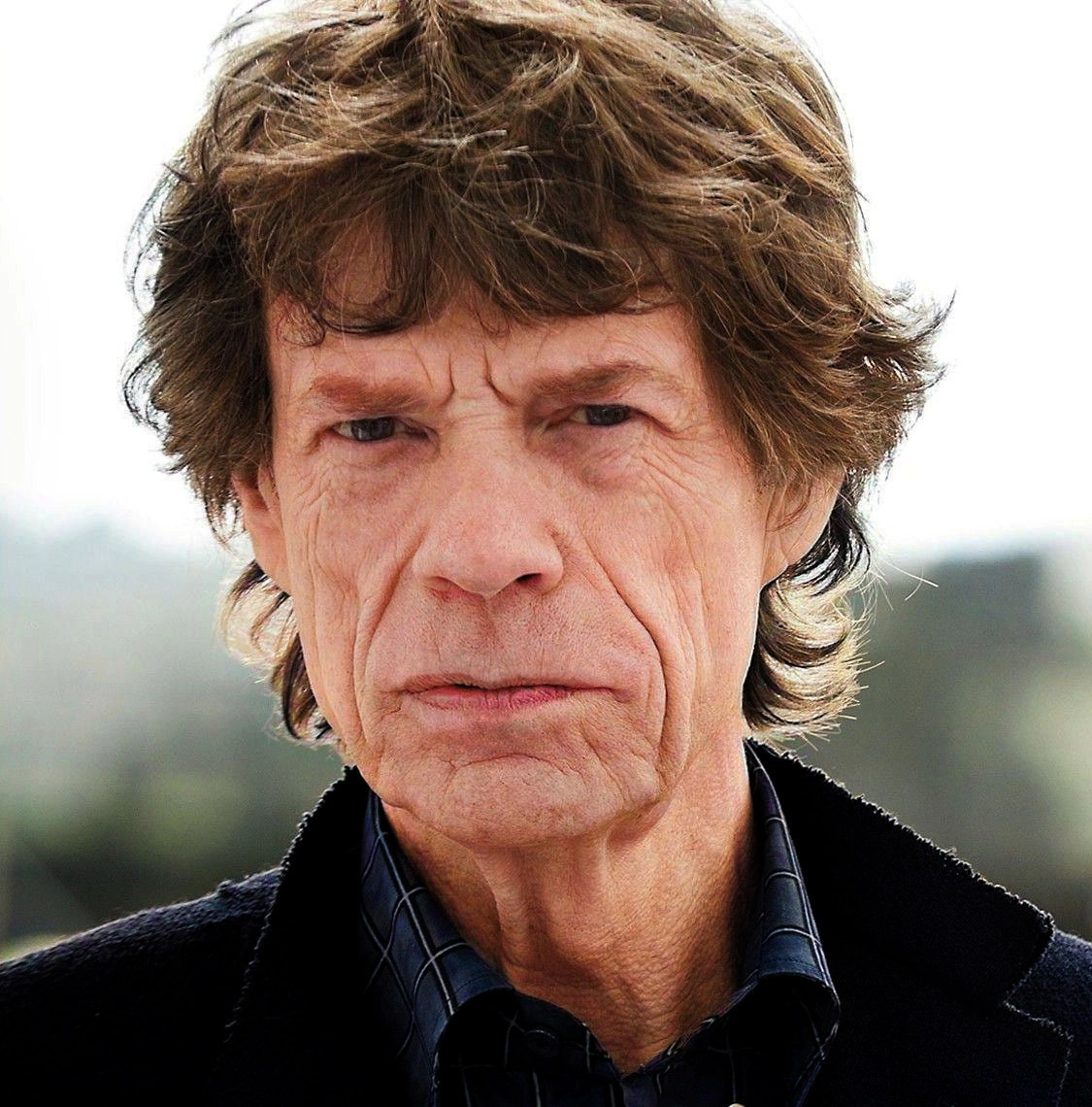
| 28 Quotes | |
| Born as | Michael Philip Jagger |
| Occup. | Musician |
| From | United Kingdom |
| Spouse | Bianca Pérez-Mora Macias (1971-1978) |
| Born | July 26, 1943 Dartford, Kent, England |
| Age | 82 years |
| Cite | |
Citation Formats
APA Style (7th ed.)
Mick jagger biography, facts and quotes. (2026, February 11). FixQuotes. https://fixquotes.com/artists/mick-jagger/
Chicago Style
"Mick Jagger biography, facts and quotes." FixQuotes. February 11, 2026. https://fixquotes.com/artists/mick-jagger/.
MLA Style (9th ed.)
"Mick Jagger biography, facts and quotes." FixQuotes, 11 Feb. 2026, https://fixquotes.com/artists/mick-jagger/. Accessed 5 Mar. 2026.
Early Life and Background
Michael Philip Jagger was born on July 26, 1943, in Dartford, Kent, in wartime Britain that was shifting from rationing and rubble toward the promise - and pressure - of postwar prosperity. His father, Basil Fanshawe Jagger, taught physical education; his mother, Eva Ensley Mary (nee Scutts), was active in community life. The household prized discipline and articulation, traits that later sat in productive tension with the sensual menace and improvisational swagger of his stage persona.Dartford also placed him within reach of London while keeping him grounded in suburbia, a geography that shaped his early hunger for escape. As a boy he sang in the church choir and absorbed American rhythm and blues through records and radio, hearing in imported voices a freedom that contrasted with British restraint. That double consciousness - respectable surface, restless appetite - became the psychological engine of his writing and his public life.
Education and Formative Influences
Jagger attended Dartford Grammar School, where he first knew Keith Richards, then reconnected with him in 1960 at Dartford station, each carrying blues records that signaled a shared obsession. He studied briefly at the London School of Economics beginning in 1961, but the citys club circuit and the new grammar of youth culture pulled harder than lectures. His decisive influences were Chicago blues (Muddy Waters, Howlin Wolf), American rock and soul, and the example of British skiffle-to-rock strivers who proved that working- and middle-class English kids could remake themselves through sound, style, and sheer will.Career, Major Works, and Turning Points
In 1962 he joined Richards, Brian Jones, Charlie Watts, and Bill Wyman in the Rolling Stones, a band built to play the blues with volume and attitude; manager Andrew Loog Oldham soon pushed Jagger and Richards into songwriting, forging one of rocks defining partnerships. After early hits and covers, the Stones broke through with originals such as "(I Cant Get No) Satisfaction" (1965), then expanded into darker, richer albums including "Aftermath" (1966), "Beggars Banquet" (1968), "Let It Bleed" (1969), "Sticky Fingers" (1971), and "Exile on Main St". (1972). The era also delivered trauma and myth - Jones death (1969), the Altamont tragedy (1969), tax exile in the early 1970s - and later reinventions through "Some Girls" (1978) and the global stadium model of touring. His solo projects, notably "Shes the Boss" (1985), tested autonomy, but the Stones remained the central institution, with Jagger as its tireless executive performer, co-writer, and lightning rod.Philosophy, Style, and Themes
Jagger learned early that modern fame is both megaphone and trap, and his art repeatedly stages that dilemma: desire sold as liberation, then revealed as compulsion. In performance he fused blues phrasing with music-hall timing, sexual bravado with knowing irony, treating the stage like a laboratory for charisma. Even the bands outlaw image often concealed professional calculation - set lists engineered for momentum, personas adjusted to survive each new decade. His voice, alternately leering and wounded, made room for cynicism, tenderness, and self-mockery, allowing him to embody both predator and witness.As a writer, he gravitated to the fleeting and the corruptible - love that evaporates, power that rots, pleasure that exacts interest. He understood songs as time capsules rather than scriptures: “A lot of times songs are very much of a moment, that you just encapsulate”. That momentary logic helps explain his refusal to be embalmed by his own canon: “The past is a great place and I don't want to erase it or to regret it, but I don't want to be its prisoner either”. Beneath the irony sits a real fear of stagnation - the belief that imagination is a survival organ: “Lose your dreams and you might lose your mind”. The tension between appetite and control, abandon and self-command, is the through-line of his best work and his longest-running strategy.
Legacy and Influence
Jagger helped define what a rock frontman could be: athletic, theatrical, erotic, and shrewd, equally capable of channeling the blues and commanding a corporate-scale spectacle. With the Rolling Stones he shaped the sound and posture of modern rock - the riff as slogan, the singer as antihero, the band as brand - influencing artists from punk provocateurs to pop megastars who studied his mix of danger and discipline. His deeper legacy is durability without stasis: a case study in how a postwar English kid, armed with American records and acute self-invention, could turn restlessness into an enduring cultural language.Our collection contains 28 quotes written by Mick, under the main topics: Witty One-Liners - Wisdom - Love - Music - Freedom.
Other people related to Mick: Peter Tosh (Musician), Ron Wood (Musician), Tommy Hilfiger (Designer), Bryan Ferry (Musician), Brad Paisley (Musician), Billy Preston (Musician), Michael Apted (Director), Kenneth Anger (Author), Christian Audigier (Designer), Alexis Korner (Musician)
Source / external links