
Miley Cyrus Biography Quotes 63 Report mistakes
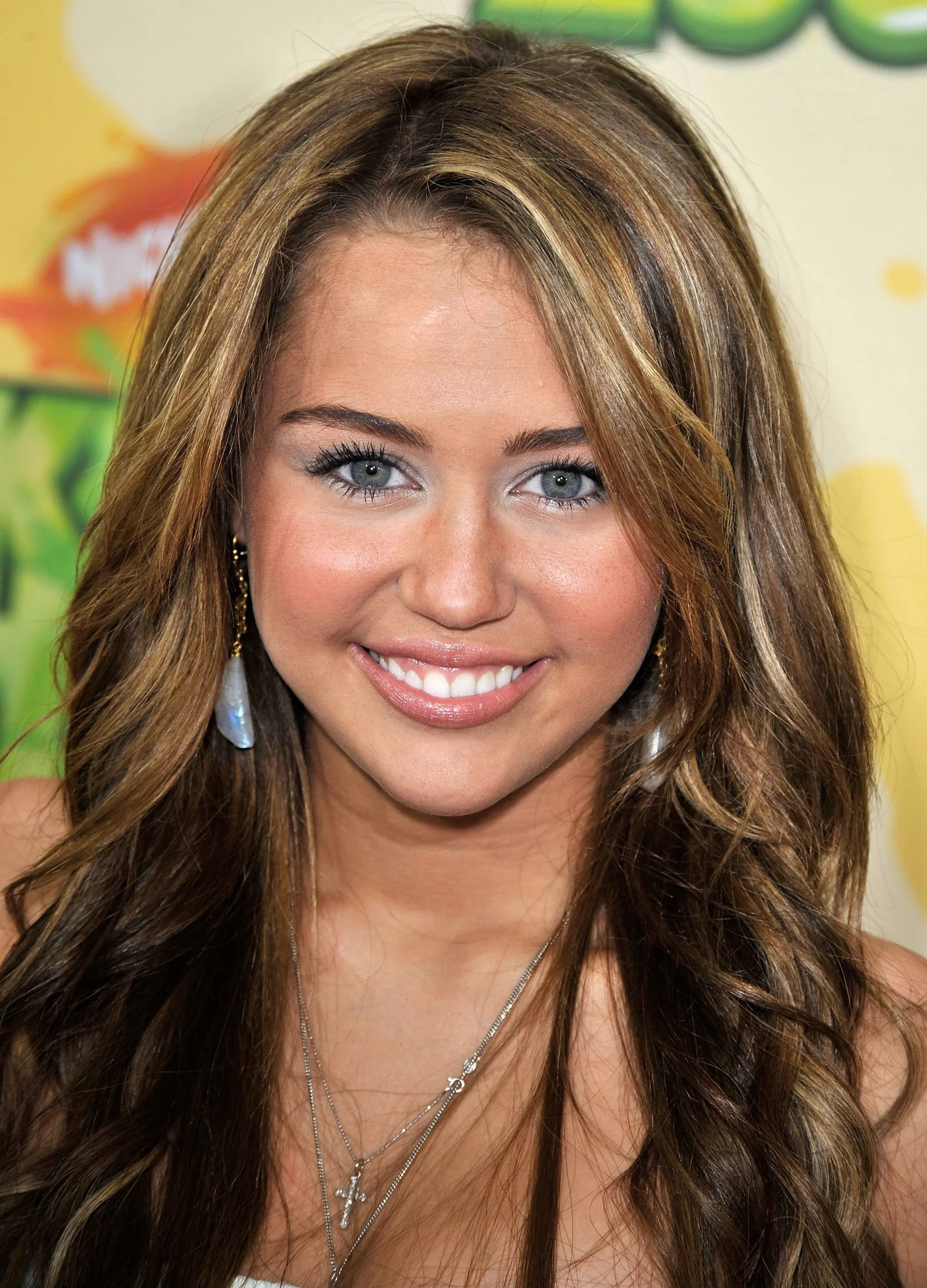
| 63 Quotes | |
| Occup. | Musician |
| From | USA |
| Born | November 23, 1992 |
| Age | 33 years |
| Cite | |
Citation Formats
APA Style (7th ed.)
Miley cyrus biography, facts and quotes. (2026, February 3). FixQuotes. https://fixquotes.com/artists/miley-cyrus/
Chicago Style
"Miley Cyrus biography, facts and quotes." FixQuotes. February 3, 2026. https://fixquotes.com/artists/miley-cyrus/.
MLA Style (9th ed.)
"Miley Cyrus biography, facts and quotes." FixQuotes, 3 Feb. 2026, https://fixquotes.com/artists/miley-cyrus/. Accessed 25 Mar. 2026.
Early Life and Background
Destiny Hope Cyrus was born on November 23, 1992, in Franklin, Tennessee, and raised largely in the Nashville area as her father, Billy Ray Cyrus, moved between touring and studio work in the long afterglow of his early-1990s country breakthrough. Her mother, Leticia "Tish" Cyrus, became the managerial center of the household, navigating a blended family that included siblings and half-siblings, with music-business logistics woven into ordinary routines. The nickname "Smiley" shortened to "Miley" followed her from childhood into a professional identity that would later eclipse her birth name.The setting mattered: late-1990s and early-2000s Tennessee was a place where church culture, country music professionalism, and the machinery of entertainment could coexist without irony. Cyrus grew up watching how public persona and private self could diverge, and how a family could become both refuge and brand. That early proximity to show business did not simply normalize performing; it taught her that attention is a currency with consequences, and that the audience tends to reward boldness more reliably than caution.
Education and Formative Influences
Cyrus attended schools in Tennessee and worked with on-set tutoring as acting demands increased, while training in singing and performance in the Nashville orbit that shaped her ear for melody and narrative. Influences fused: classic country storytelling, pop immediacy, and the Disney-era emphasis on clean lines, catchiness, and relentless work ethic. Her adolescence was effectively an apprenticeship in modern celebrity, learning stagecraft and camera timing while also absorbing the pressures of being marketed as wholesome and universally likable.Career, Major Works, and Turning Points
After early acting opportunities, she became a global teen star as the lead of Disney Channel's "Hannah Montana" (premiered 2006), and the associated concert film and soundtrack economy made her both character and recording artist. She expanded into film ("Hannah Montana: The Movie", 2009; "The Last Song", 2010) and then engineered a decisive break from the Disney template with "Bangerz" (2013) and its era-defining performances, using provocation to claim adult authorship of her image. Subsequent albums traced a restless arc: "Miley Cyrus & Her Dead Petz" (2015) as a psychedelic detour, "Younger Now" (2017) as a roots-leaning recalibration, "Plastic Hearts" (2020) as a glam-rock statement, and "Endless Summer Vacation" (2023) as a pop project shaped by resilience and autonomy, amplified by the cultural saturation of "Flowers". Alongside music, her turns as a coach on "The Voice", high-profile collaborations, and philanthropic visibility kept her in the public square even as her sound and persona evolved.Philosophy, Style, and Themes
Cyrus' inner life, as glimpsed through her work and interviews, is a negotiation between control and release - the child performer trained to be agreeable and the adult artist determined to be self-defining. She speaks from a posture of agency rather than permission: “I have an opinion. I have my own taste”. That sentence is less slogan than defense mechanism, a way of protecting an interior self that was priced, packaged, and criticized before it could fully form. Her public reinventions - sometimes abrupt, sometimes messy - read as experiments in congruence, testing which version of herself can survive the spotlight without splitting into performance and private shame.Her style follows that psychology: pop hooks as delivery system, genre as wardrobe, voice as the constant. At her best she uses controversy not as accident but as a lens on how fame works, acknowledging the market logic that surrounds her: “People like controversy because that's what sells”. Yet she pairs that realism with a craftsman's pride in the apparatus of live spectacle and the labor behind it: “I love looking out at 27 semis and being like, every single one of those semi trucks is there to put together my stage”. Themes recur - freedom, bodily autonomy, self-forgiveness, and the cost of being watched - and her songwriting increasingly frames liberation not as escape but as choosing yourself in full view of others.
Legacy and Influence
Cyrus stands as one of the defining case studies of the 21st-century child-star-to-adult-artist transition, demonstrating how a performer can weaponize and then outgrow a corporate image without disappearing. She helped normalize genre-fluid pop stardom, where country roots, hip-hop-era pop, psychedelic experimentation, and rock revival can coexist in a single career without requiring a single "true" version of the artist. Her influence is audible in the way younger performers treat reinvention as a right rather than a scandal, and in how candidly mainstream pop now discusses narrative control, scrutiny, and the economics of attention - lessons she learned early, and then turned into art on her own terms.Our collection contains 63 quotes written by Miley, under the main topics: Witty One-Liners - Motivational - Funny - Wisdom - Music.
Other people related to Miley: Wayne Coyne (Musician)
Source / external links