
Mireille Mathieu Biography Quotes 6 Report mistakes
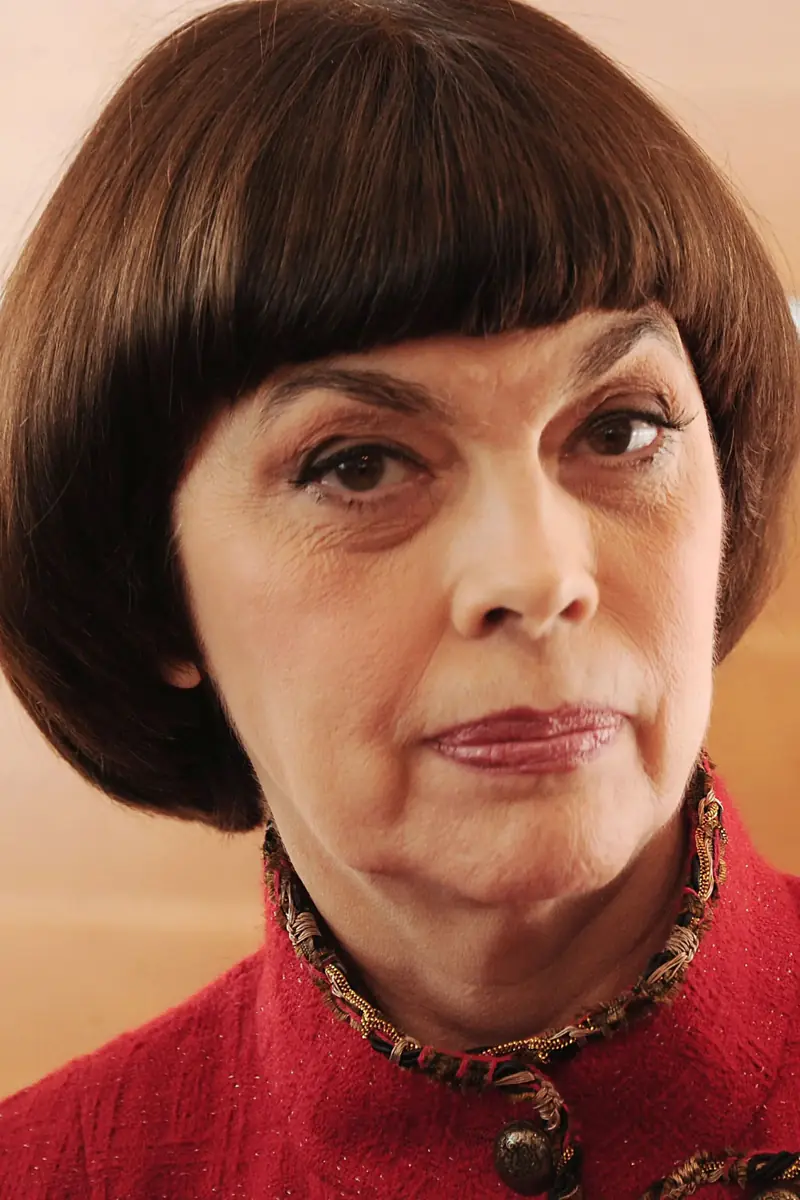
| 6 Quotes | |
| Occup. | Musician |
| From | France |
| Born | July 22, 1946 Avignon, France |
| Age | 79 years |
Mireille Mathieu was born on July 22, 1946, in Avignon, in France's Vaucluse department, into a large working-class family shaped by the privations and solidarities of postwar life. Avignon was not Paris: it was provincial, Catholic, and close-knit, with popular song and church music circulating through homes and neighborhood gatherings. Her father, a stonemason, loved operetta and classic French chanson; her mother managed a household where money was tight and discipline was practical rather than theoretical. The emotional palette that would later define Mathieu - devotion, duty, romantic idealism, and stamina - formed in this environment where art was a necessity of spirit, not a luxury.
From early childhood she was a natural mimic of melody and phrase, absorbing repertoire by ear and projecting it with an adult seriousness that startled listeners. Family life trained her in collective rhythm: siblings, chores, and the constant negotiation of attention. That background also made her identity unusually durable once fame arrived; the public "Mireille" was not a manufactured invention so much as an amplification of a girl who learned early that singing could translate private feeling into something legible and communal.
Education and Formative Influences
Mathieu left school young due to financial pressures and a diagnosis of dyslexia that made formal study difficult, but she educated herself in the oral tradition of chanson - repetition, phrasing, breath control, and the emotional architecture of a three-minute song. She listened to Edith Piaf obsessively, studied the discipline behind Piaf's intensity, and tried to match that combination of force and vulnerability without copying it. In Avignon she also encountered the mixed audiences of cabarets and local events, learning how to hold attention across class lines - a skill that would later let her move between music-hall, television variety, and international concert halls with unusual ease.
Career, Major Works, and Turning Points
Her turning point came in 1965 when she won a local contest in Avignon and soon after appeared on French television; producer Johnny Stark took control of her early career and positioned her as a successor to the chanson tradition at the exact moment the y-y wave and Anglo-American pop were reshaping French taste. In 1966 she broke through with "Mon credo", whose sweeping melody and devotional conviction suited her clarion timbre and direct delivery, followed by hits such as "La derniere valse" and "Une histoire d'amour". From the late 1960s onward she became one of France's most visible musical ambassadors, recording in multiple languages and touring widely - notably in Germany, the Soviet Union, and the United States - while maintaining a core repertory rooted in French romantic song. Over decades she released an immense catalog and became synonymous with televised galas, national ceremonies, and the durable ideal of the "grande voix populaire" that could feel formal without turning cold.
Philosophy, Style, and Themes
Mathieu's inner life as an artist is best understood as a contract: she offers emotion in a form that is instantly readable, and in return she demands from herself a nearly athletic reliability. Her voice - bright, centered, and piercingly focused - favors long arcs and clean diction over husky insinuation; the drama is in sustained sincerity rather than confessional mess. The themes are consistent by design: love, fidelity, longing, gratitude, and the ache of separation. She once distilled her aesthetic creed simply: "My songs always speak of love, that's the way I like them". That preference is not naivete so much as strategy - a decision to make chanson a place of refuge where audiences can rehearse tenderness without irony.
Behind the polished silhouette, her quotes reveal a psychology built on discipline and a clear-eyed view of performance as labor. "In the life of a singer, it's not all triumphs and happy memories; there are days you have to go out there when it's the last thing you feel like doing". That ethic runs through her career-long consistency: she rarely chases fashion, because her main subject is not trend but endurance - the ability to transmit warmth on command. Even when she frames music as intimacy - "Music is the best way for me to say I love you". - it is an intimacy mediated by craft, lights, and schedule, a practiced generosity that turns private feeling into public ceremony.
Legacy and Influence
Mathieu endures as a symbol of post-Piaf chanson in its most affirmative form: melodically grand, emotionally legible, and resolutely professional. In an era that increasingly prized self-revelation and stylistic disruption, she defended the older idea that a singer can be an interpreter first - a vessel for shared sentiment - while still projecting a distinct persona: unwavering, respectful of audience, and proudly French even when singing abroad. Her influence is less about imitation than permission: she proved that mass popularity need not require cynicism, that romantic repertoire can travel across languages, and that longevity can be built on the unglamorous virtues of preparation, consistency, and a voice trained to carry love to the back row.
Our collection contains 6 quotes who is written by Mireille, under the main topics: Music - Love - I Love You - Perseverance.
Source / external links