
Mos Def Biography Quotes 33 Report mistakes
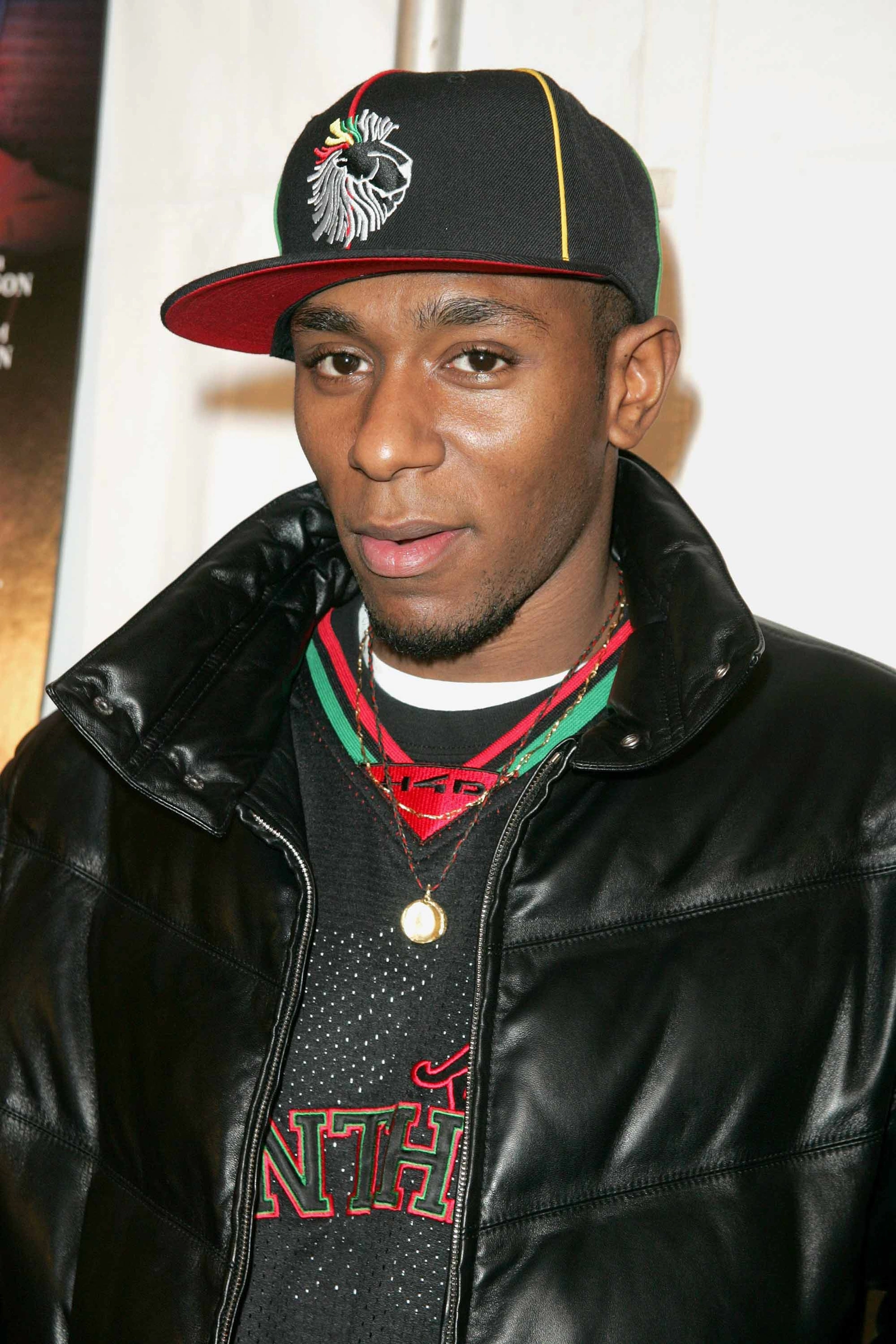
| 33 Quotes | |
| Born as | Dante Terrell Smith |
| Occup. | Musician |
| From | USA |
| Born | December 11, 1973 Brooklyn, New York, U.S. |
| Age | 52 years |
| Cite | |
Citation Formats
APA Style (7th ed.)
Mos def biography, facts and quotes. (2026, February 11). FixQuotes. https://fixquotes.com/artists/mos-def/
Chicago Style
"Mos Def biography, facts and quotes." FixQuotes. February 11, 2026. https://fixquotes.com/artists/mos-def/.
MLA Style (9th ed.)
"Mos Def biography, facts and quotes." FixQuotes, 11 Feb. 2026, https://fixquotes.com/artists/mos-def/. Accessed 26 Mar. 2026.
Early Life and Background
Dante Terrell Smith was born on December 11, 1973, in New York City, a metropolis in the late-1970s and 1980s where deindustrialization, crack-era austerity, and the citys creative insurgencies collided. He grew up between Brooklyn and Manhattan, raised largely by his mother in a working-class household shaped by Caribbean and African-American currents and by the practical, improvisational intelligence that city life demanded. The boroughs around him were laboratories of language - corner-store talk, schoolyard code, street sermons - and hip-hop was becoming the new public newspaper, reporting on rent, racism, and aspiration with drum machines and wit.Before he was widely known as a musician, Smith moved through the performing world as a kid actor and a young man with a writers ear. Those early years trained him to read rooms, to project calm while staying alert, and to treat craft as labor rather than glamour. The result was a personality that could inhabit multiple stages - theater, film set, club, political rally - without collapsing into any single one. Even in adolescence, his public persona suggested a tension between visibility and privacy, a desire to be heard without being consumed by the machinery that makes artists into products.
Education and Formative Influences
Smith attended New York City public schools and absorbed hip-hops formal education: park jams, mixtapes, radio shows, and the competitive discipline of freestyling. He drew from jazz, soul, reggae, and the lyric density of writers he admired, plus the cadences of Black preaching and the argumentative clarity of street debate. By the early 1990s he was already thinking like a composer of images, not just rhymes - treating each verse as a scene with characters, stakes, and moral weather.Career, Major Works, and Turning Points
He first gained attention in the 1990s as part of the Native Tongues-adjacent orbit and through his partnership with Talib Kweli as Black Star, whose 1998 album "Mos Def & Talib Kweli Are Black Star" helped define an era of independent-minded, politically literate rap. His solo breakthrough arrived with "Black on Both Sides" (1999), a record that welded social critique to classicist flows and live-band sensibility. In the 2000s he expanded into film and television, broadening his audience while keeping a musician-first identity; albums such as "The New Danger" (2004) and "The Ecstatic" (2009) traced his restless ear for rock, Afro-diasporic rhythm, and global textures. A turning point came as he publicly complicated the relationship between art and industry, even announcing an intention to retire his stage name and later living and working abroad under the name Yasiin Bey - a shift that signaled both creative renewal and a tightening critique of how fame and state power can define a life.Philosophy, Style, and Themes
Mos Defs work is built on the conviction that language is a tool of survival and repair, not just decoration. He has argued that “Good art provides people with a vocabulary about things they can't articulate”. That idea explains his best songs: they translate private pressure - fear, love, anger, spiritual hunger - into shareable speech, giving listeners a way to name what has been lodged in the throat. His delivery mixes conversational intimacy with sermonic lift, and his ear for rhythm lets him pivot from punchline agility to long, breath-driven reflections. The emotional center is often protective: a narrator scanning for danger, trying to keep the community and the self intact.His themes repeatedly return to responsibility - to place, to history, to the body under surveillance - and to a belief that art should do work in the world. He frames that ethic explicitly: “African art is functional, it serves a purpose. It's not a dormant. It's not a means to collect the largest cheering section. It should be healing, a source a joy. Spreading positive vibrations”. In practice, this means he treats performance as service, not conquest, and refuses the easy thrill of nihilism. Even his anger is targeted rather than absolute, shaped by a moral discrimination between people and systems: “I don't hate nobody. I hate certain conditions that are inflicted upon the people - and they're helpless with it”. Psychologically, this stance reveals an artist fighting to remain tender without becoming naive, insisting on clarity without surrendering to cynicism.
Legacy and Influence
Mos Def helped codify what many later called conscious rap, though his true imprint is broader: he proved that technical excellence, musical curiosity, and political conscience can coexist without sounding like homework. Across hip-hop, neo-soul, and spoken-word circles, his example legitimized the emcee as a complete musician - someone who studies arrangement, voice, and tradition as seriously as bars. His later reinvention as Yasiin Bey underscored a lasting lesson of his career: names, markets, and institutions are provisional, but the obligation to speak precisely - and to make art that heals, complicates, and uplifts - endures.Our collection contains 33 quotes written by Mos, under the main topics: Witty One-Liners - Motivational - Wisdom - Art - Music.
Other people related to Mos: Martin Freeman (Actor)
Source / external links