
Neville Marriner Biography Quotes 22 Report mistakes
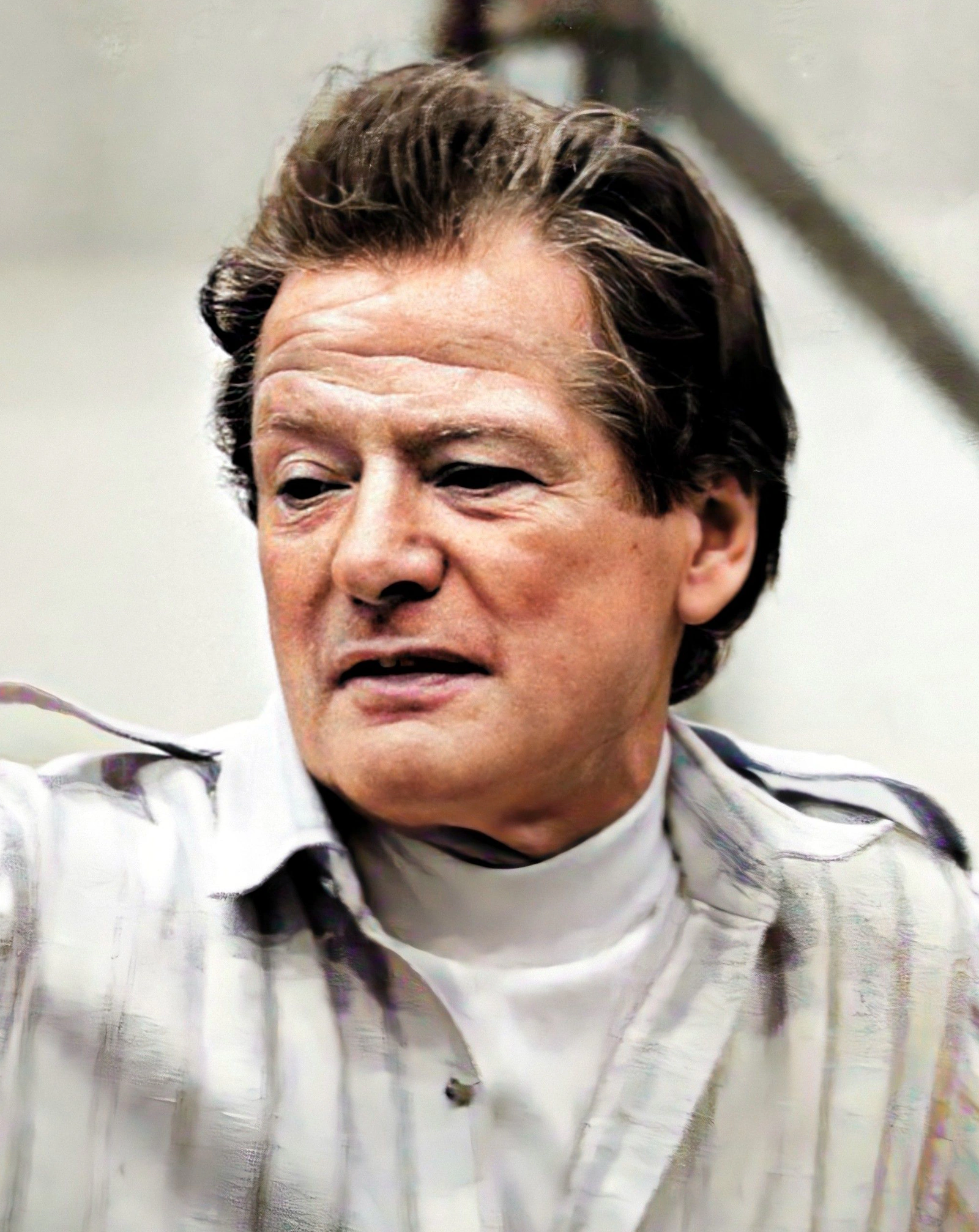
| 22 Quotes | |
| Known as | Sir Neville Marriner |
| Occup. | Musician |
| From | United Kingdom |
| Born | April 15, 1924 Brighton, England |
| Died | October 2, 2016 London, England |
| Aged | 92 years |
| Cite | |
Citation Formats
APA Style (7th ed.)
Neville marriner biography, facts and quotes. (2026, February 11). FixQuotes. https://fixquotes.com/artists/neville-marriner/
Chicago Style
"Neville Marriner biography, facts and quotes." FixQuotes. February 11, 2026. https://fixquotes.com/artists/neville-marriner/.
MLA Style (9th ed.)
"Neville Marriner biography, facts and quotes." FixQuotes, 11 Feb. 2026, https://fixquotes.com/artists/neville-marriner/. Accessed 5 Mar. 2026.
Early Life and Musical Beginnings
Neville Marriner was born in Lincoln, England, on April 15, 1924, and grew up in a culture where amateur music-making was a normal part of community life. He showed early promise on the violin and pursued formal training in London before and after wartime service. Returning to a country rebuilding its artistic institutions, he joined the professional ranks as a violinist, setting the stage for a career that would bridge chamber music, orchestral playing, and eventually conducting at the highest international level.From Violinist to Conductor
In the postwar years Marriner performed in leading London ensembles, including periods with the Philharmonia and the London Symphony Orchestra. The discipline and polish demanded in those orchestras suited his ear for clarity and ensemble balance. Yet he was drawn as much to the intimacy and conversational spark of chamber music as to the sweep of symphonic work. That duality shaped his transition from the violin desk to the rostrum. He began to organize small groups of colleagues to explore repertoire from the Baroque and Classical eras with a modern freshness that sidestepped academic rigidity while resisting mannerism. This practical musicianship, coupled with an instinct for leadership, evolved naturally into conducting.Founding the Academy of St Martin in the Fields
In 1958, 59 Marriner gathered a circle of like-minded players to form the Academy of St Martin in the Fields, named for the London church where they first performed. Initially a conductorless ensemble with Marriner leading from the violin, the Academy developed a distinctive sound: lithe, bright, rhythmically alert, and scrupulously balanced. As the ensemble grew in size and ambition, Marriner moved to the podium, but the chamber sensibility never left the group. Key leaders around him, including violinists Iona Brown, Alan Loveday, and Kenneth Sillito, became central artistic partners, shaping phrasing, articulation, and style from within the orchestra. Together they forged an approach that made eighteenth-century music feel conversational and alive on modern instruments.International Posts and Collaborations
While building the Academy's profile, Marriner expanded his international presence. He became the founding music director of the Los Angeles Chamber Orchestra, bringing his clean, incisive style to the West Coast and nurturing a flexible ensemble ethos that matched his London model. Later he served as music director of the Minnesota Orchestra, where he balanced Classical repertoire with larger Romantic canvases and helped refine the orchestra's ensemble discipline. He also took a leadership role with the Stuttgart Radio Symphony Orchestra, broadening his German ties and building a rapport with musicians steeped in the Central European tradition. Across these posts he collaborated closely with concertmasters, section principals, and guest soloists, applying the same collegial approach that defined his work in London.Recording Legacy and Amadeus
Marriner's discography is among the most extensive of any conductor of his era. With the Academy of St Martin in the Fields he recorded a vast span of repertoire for major labels, helping set benchmarks in Mozart, Handel, Bach, Vivaldi, Haydn, and early Beethoven. The ensemble's precision, refined string tone, and buoyant tempi made their recordings widely admired and accessible to new listeners. Collaborations with leading soloists, notably pianists Alfred Brendel and Murray Perahia, deepened the Academy's international profile and yielded reference versions of Classical concertos. Marriner and the Academy reached an even wider audience through the soundtrack to Milos Forman's film Amadeus, which introduced Mozart's music to countless listeners and underscored Marriner's gift for presenting familiar masterpieces with freshness and narrative flair.Leadership Style and the People Around Him
Marriner's leadership rested on trust, clarity of intention, and meticulous preparation. He prized rhythmic buoyancy, elegant phrasing, and transparent textures, and he valued the input of the players around him. The leaders of the Academy's string sections shaped articulation and color with him; Iona Brown, in particular, became a vital artistic voice as leader and later director. The Academy's identity was also formed in dialogue with wind principals, for whom balance and blend were paramount in Classical repertoire. Outside London, Marriner cultivated strong relationships with orchestral musicians in Los Angeles, Minneapolis, and Stuttgart, building on the belief that coherence arises from shared listening as much as from command. His collegial manner also endeared him to guest soloists, who found his ensembles responsive and alive to nuance.Honors and Late Career
As his reputation grew, Marriner was recognized with major honors, including a knighthood, reflecting his central role in British musical life. In later decades he continued to conduct widely, returning regularly to the Academy of St Martin in the Fields, which named him Life President. Even into his nineties he projected alertness and curiosity, tailoring programs to suit the personality of each ensemble and maintaining his commitment to clean musical architecture over rhetoric for its own sake. His longevity on the podium testified to a technique rooted in clarity and rehearsal discipline rather than flamboyance.Personal Life and Influence
Music was a family affair. His son, the clarinetist Andrew Marriner, rose to become principal clarinet of the London Symphony Orchestra, underlining a generational thread within the city's orchestral life and linking father and son to many of the same colleagues and institutions. For countless younger conductors and concertmasters, Marriner served as a model of how to fuse chamber values with orchestral scale. His approach influenced leaders across Europe and North America who sought to apply chamber principles, listening across sections, sharing responsibility for color and timing, and refining detail without sacrificing drive, to larger ensembles.Legacy
Sir Neville Marriner died in London on October 2, 2016. Tributes emphasized not only his achievements, the founding of one of the world's most recorded and recognizable ensembles, the stewardship of major orchestras, and a discography that shaped taste for decades, but also the manner in which he achieved them. He showed that stylistic integrity and modern instruments need not be in conflict, that disciplined rehearsal can coexist with spontaneity, and that leadership can be both exacting and humane. The Academy of St Martin in the Fields continued under new artistic leadership, including Joshua Bell as music director, with Marriner's principles embedded in its sound. For audiences who discovered music through the Academy's recordings, for musicians who learned orchestral craft under his baton, and for institutions that benefitted from his pragmatic vision, his legacy endures as a testament to clarity, collegiality, and the lasting vitality of the Classical tradition.Our collection contains 22 quotes written by Neville, under the main topics: Witty One-Liners - Art - Friendship - Music - Change.
Source / external links