
Paul Butterfield Biography Quotes 4 Report mistakes
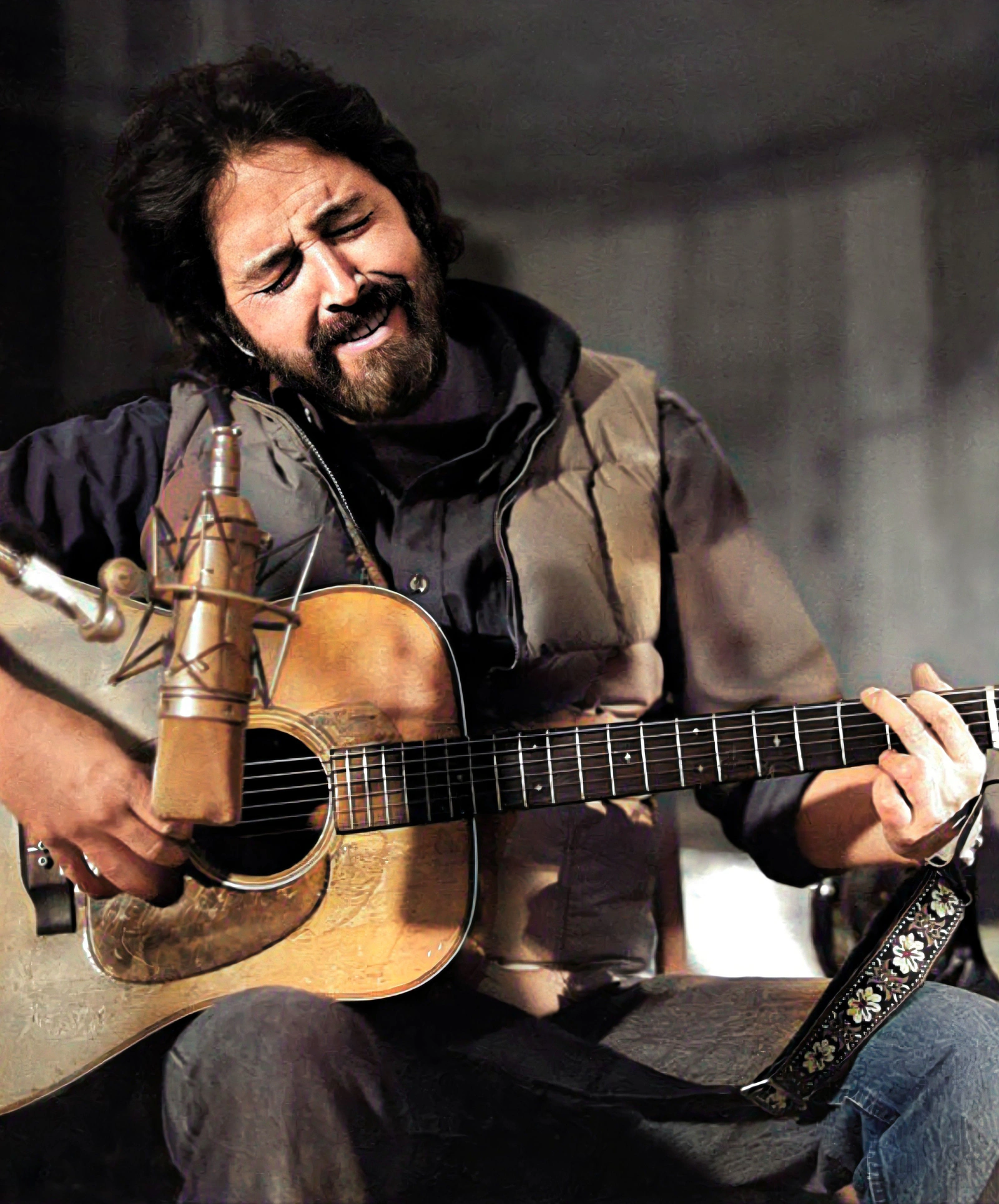
| 4 Quotes | |
| Born as | Paul Vaughn Butterfield |
| Occup. | Musician |
| From | USA |
| Born | December 17, 1942 Chicago, Illinois, USA |
| Died | May 4, 1987 North Hollywood, California, USA |
| Cause | Drug overdose |
| Aged | 44 years |
| Cite | |
Citation Formats
APA Style (7th ed.)
Paul butterfield biography, facts and quotes. (2026, February 11). FixQuotes. https://fixquotes.com/artists/paul-butterfield/
Chicago Style
"Paul Butterfield biography, facts and quotes." FixQuotes. February 11, 2026. https://fixquotes.com/artists/paul-butterfield/.
MLA Style (9th ed.)
"Paul Butterfield biography, facts and quotes." FixQuotes, 11 Feb. 2026, https://fixquotes.com/artists/paul-butterfield/. Accessed 6 Apr. 2026.
Early Life and Background
Paul Vaughn Butterfield was born on December 17, 1942, in Chicago, Illinois, into a city where postwar industry, Black migration, and late-night clubs made the blues a living language rather than a museum piece. Raised on the North Side, he came of age while the South Side electrified the country blues into something urban and hard-edged - the sound of Muddy Waters, Howlin' Wolf, Little Walter, and Otis Rush leaking out of bars and record shops and into the imaginations of kids who felt hemmed in by polite, middle-class expectations.Butterfield was not a romantic tourist in that world. As a white teenager moving through Black neighborhoods and bandstands, he had to earn trust with seriousness and stamina, and he did - first as a fan, then as a working musician who listened closely and played with respect. The harmonica became his passport: portable, direct, and brutal in the right hands. He learned that Chicago blues was as much about discipline as abandon, and that the swagger onstage was backed by hours of practice and the humility of apprenticeship.
Education and Formative Influences
He attended the University of Chicago Laboratory Schools, a rigorous environment that sharpened his ear and widened his tastes, but the real curriculum was the city itself. He studied Little Walter's amplified harp tone and phrasing, absorbed the bandstand craft of players like Junior Wells, and found mentors and collaborators in the Chicago scene - most crucially guitarist Elvin Bishop. By the early 1960s, as the folk revival began turning toward electric blues, Butterfield stood at a hinge moment: young white audiences were ready to hear Chicago's music, and Butterfield had the chops and street-level credibility to translate it without sanding off its grit.Career, Major Works, and Turning Points
In 1963-65 he formed the Paul Butterfield Blues Band, marrying Chicago blues authority to the emerging energy of rock; their self-titled debut (1965) and East-West (1966) became templates for American blues-rock, powered by Butterfield's commanding vocals and piercing harmonica and by the dual-guitar interplay of Bishop and later Mike Bloomfield. The band made a national statement at the 1965 Newport Folk Festival when Bob Dylan went electric, situating Butterfield at the center of a cultural argument about tradition and modernity. "East-West", with its extended modal improvisation, forecast jam-band vocabulary and proved that blues language could stretch toward raga, jazz, and psychedelia without losing its spine. After the original band splintered, Butterfield pursued a varied, sometimes restless path - the horn-driven Better Days period, collaborative sessions, and high-profile appearances including his role in The Last Waltz (1976) with the Band - even as changing radio economics and personal struggles narrowed his commercial footing. He died in Los Angeles on May 4, 1987, at 44, after years marked by addiction and the uneven visibility that often follows pioneers when the scene they helped create moves on.Philosophy, Style, and Themes
Butterfield's artistry was built on a hard principle: the blues was not a costume but a working grammar. He refused the idea that fidelity meant stasis; instead, he treated tradition like a set of tools meant to be used. “A lot of people relate me to the blues but I don't think it's a hindrance at this point. I've been doing it long enough that I can do different things and be accepted”. That sentence captures his inner stance - pride without defensiveness, and a craftsman's confidence that credibility comes from years of doing the job. It also explains his best records: even when he leaned toward jazz phrasing, horn charts, or extended improvisation, the band feel remained Chicago-tough, with the harmonica cutting through like a siren.His sound was physical and unsentimental: amplified harp played with a huge tone, sharp attacks, and breath control that let him sustain intensity without sloppiness. The psychology behind it was both resilient and wary, a man who expected friction and met it with stubborn longevity. “I guess if you stay around long enough, they can't get rid of you”. In that dry humor is the portrait of a musician who understood scenes, trends, and gatekeepers - and who relied on endurance more than fashion. Underneath the bravado lived the darker American story of the era: the intoxicants, the touring grind, and the pressure of being a conduit between Black musical genius and white commercial structures. His greatest performances sound like he is trying to outrun that pressure by playing directly through it.
Legacy and Influence
Butterfield helped define what American blues-rock could be: not merely loud blues, but ensemble playing with improvisational ambition and deep respect for the Chicago masters. His band served as a launchpad for major talents, and his records became study materials for harmonica players and guitarists who wanted authenticity without antiquarianism. More broadly, he stands as a complicated bridge figure of the 1960s - a white musician who learned inside a Black tradition, amplified it for new audiences, and wrestled with the costs of the life that followed. His best work still feels urgent because it does not sentimentalize the blues; it insists on its power as present tense.Our collection contains 4 quotes written by Paul, under the main topics: Witty One-Liners - Music - Sarcastic - Peace.
Other people related to Paul: Garth Hudson (Musician)
Source / external links