
Paul Simon Biography Quotes 45 Report mistakes
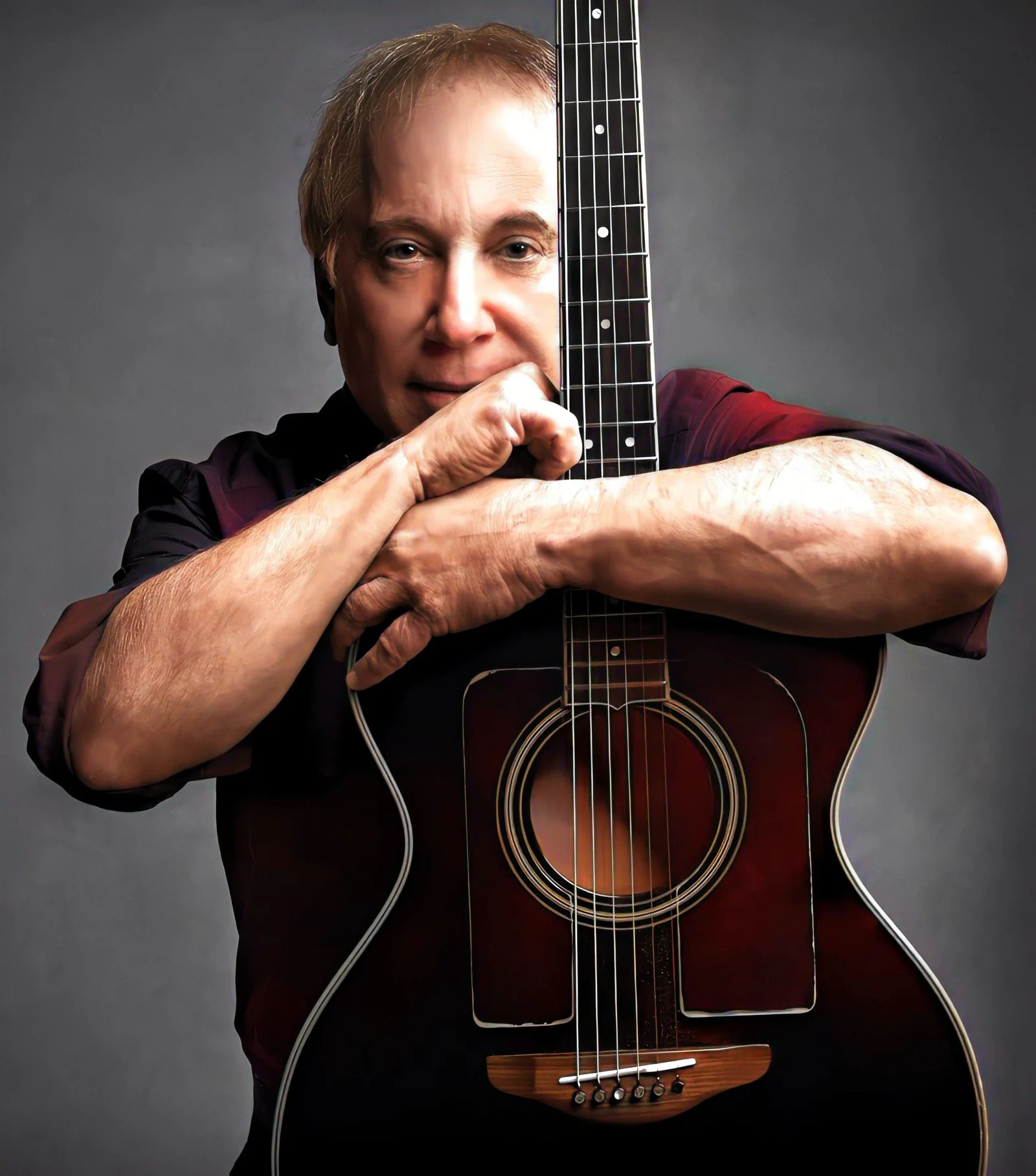
| 45 Quotes | |
| Born as | Paul Frederic Simon |
| Occup. | Musician |
| From | USA |
| Born | October 13, 1941 Newark, New Jersey, USA |
| Age | 84 years |
| Cite | |
Citation Formats
APA Style (7th ed.)
Paul simon biography, facts and quotes. (2026, February 11). FixQuotes. https://fixquotes.com/artists/paul-simon/
Chicago Style
"Paul Simon biography, facts and quotes." FixQuotes. February 11, 2026. https://fixquotes.com/artists/paul-simon/.
MLA Style (9th ed.)
"Paul Simon biography, facts and quotes." FixQuotes, 11 Feb. 2026, https://fixquotes.com/artists/paul-simon/. Accessed 27 Mar. 2026.
Early Life and Background
Paul Frederic Simon was born October 13, 1941, in Newark, New Jersey, and raised in the boroughs of postwar New York City, a landscape where immigrant ambition, radio pop, doo-wop harmonies, and street-corner comedy all coexisted. His father, Louis Simon, was an educator and bandleader, and the household treated music as a craft rather than a mystery - charts, arrangements, and the discipline of rehearsal mattered. That mix of working-class practicality and musical literacy helped shape Simon's later persona: a meticulous writer who distrusted grand statements unless they could be made singable.In Queens, he met Art Garfunkel as a schoolboy, and the two began harmonizing with the seriousness of kids trying on adulthood. Under the name Tom and Jerry they scored a minor hit with "Hey, Schoolgirl" (1957), an early lesson in both the rush of attention and its instability. By the early 1960s, New York folk revival clubs and the Brill Building ecosystem sat close enough to each other that Simon could absorb both - the confessional inwardness of the folk scene and the professional sheen of pop - and begin quietly plotting a songwriting life that did not require him to be a conventional star.
Education and Formative Influences
Simon attended Forest Hills High School, then Queens College (City University of New York), and moved through the early-1960s Greenwich Village circuit as he studied how songs traveled - through coffeehouses, radio, and the new LP culture. Bob Dylan's example opened doors for literate pop, but Simon's influences were broader: the Everly Brothers' sibling-tight intervals, church and street-corner harmony, Tin Pan Alley economy, and the narrative compression of folk balladry. A crucial formative episode came when he relocated to England in 1964-1965, cutting a largely acoustic solo record and playing small venues; the distance from New York's hype and rivalry sharpened his ear for British folk textures and his taste for solitude as a working method.Career, Major Works, and Turning Points
Simon reunited with Garfunkel for Wednesday Morning, 3 A.M. (1964), but the true breakthrough arrived when "The Sound of Silence" was electrified and reissued in 1965, catalyzing Simon and Garfunkel's rise through Sounds of Silence (1966), Parsley, Sage, Rosemary and Thyme (1966), Bookends (1968), and the era-defining Bridge Over Troubled Water (1970). Their split pushed Simon into the riskier, lonelier task of building a signature without the duo's blend: Paul Simon (1972) and There Goes Rhymin' Simon (1973) established him as a songwriter of American detail, while Still Crazy After All These Years (1975) revealed an adult voice alert to regret and routine. A major turning point was Graceland (1986), recorded with South African musicians amid apartheid-era controversy, followed by The Rhythm of the Saints (1990), both of which expanded pop's rhythmic and ethical imagination; later projects - from Broadway's The Capeman (1998) to late-career albums like So Beautiful or So What (2011) and Seven Psalms (2023) - showed a writer turning from reportage toward spiritual inventory.Philosophy, Style, and Themes
Simon's inner life is marked by a tension between virtuosity and self-doubt: he is a craftsman who hears every extra syllable, yet often writes from the position of the baffled observer. His songs repeatedly dramatize selective perception as a human defense, turning psychology into hook: “A man sees what he wants to see, And disregards the rest”. That line is not merely cynical; it is a confession about attention itself - how desire edits reality, how the mind protects its story even when the facts are loud. Simon's narrators are rarely heroes; they are men trying to stay decent while admitting how easily they rationalize.His style fuses tight prosody with sonic curiosity, moving from folk guitar to R&B grooves, Andean pipes, West African-style interlocking lines, and Brazilian-influenced polyrhythms without treating any of it as mere color. The emotional engine is often the collision of humor and gravity - a survival tactic in an era that marketed sincerity but punished pomposity: “If you can get humor and seriousness at the same time, you've created a special little thing, and that's what I'm looking for, because if you get pompous, you lose everything”. Even at his most prophetic, he prefers implication to sermon, letting urban images carry metaphysical weight: “The words of the prophets are written on the subway walls and tenements halls and whispered in the sounds of silence”. In Simon's worldview, revelation is not thunder from above; it is graffiti-level, overheard, and easy to miss unless you have trained yourself to listen.
Legacy and Influence
Paul Simon endures as one of the key architects of modern songwriting - a writer who proved that pop could be literate without becoming academic, and global in sound without losing narrative intimacy. His work helped define the 1960s singer-songwriter model, then outgrew it by treating rhythm and arrangement as equals to lyric, influencing artists across folk, rock, indie, and so-called world music. Just as importantly, his career is a case study in artistic restlessness: the refusal to repeat a triumph, the willingness to risk criticism for experimentation, and the belief that the private mind - with its blind spots, jokes, and sudden clarities - is worthy of musical architecture.Our collection contains 45 quotes written by Paul, under the main topics: Witty One-Liners - Truth - Art - Justice - Puns & Wordplay.
Other people related to Paul: Lyle Lovett (Musician), David Sanborn (Musician), Edie Brickell (Musician), Tony Levin (Musician)
Source / external links