
Peabo Bryson Biography Quotes 23 Report mistakes
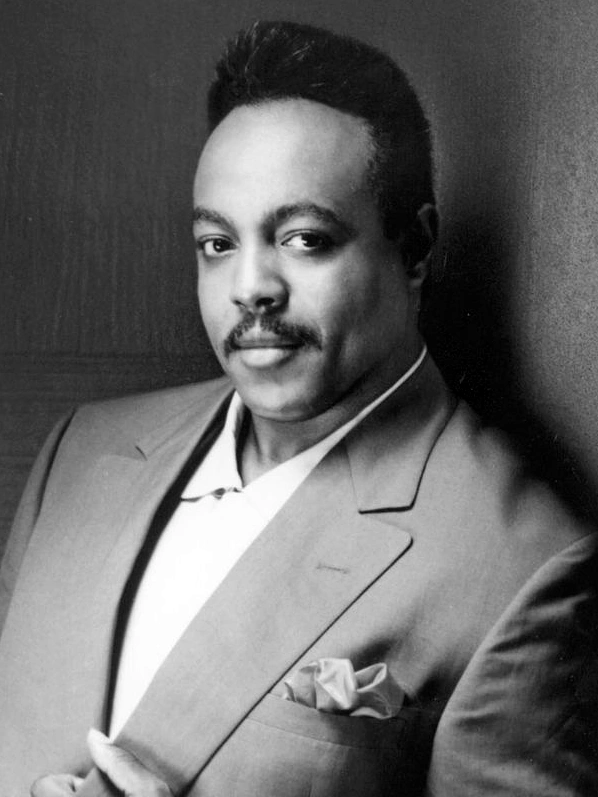
Attr: wallofcelebrities.com
| 23 Quotes | |
| Occup. | Musician |
| From | USA |
| Born | April 13, 1951 Greenville, South Carolina, United States |
| Age | 74 years |
| Cite | |
Citation Formats
APA Style (7th ed.)
Peabo bryson biography, facts and quotes. (2026, February 11). FixQuotes. https://fixquotes.com/artists/peabo-bryson/
Chicago Style
"Peabo Bryson biography, facts and quotes." FixQuotes. February 11, 2026. https://fixquotes.com/artists/peabo-bryson/.
MLA Style (9th ed.)
"Peabo Bryson biography, facts and quotes." FixQuotes, 11 Feb. 2026, https://fixquotes.com/artists/peabo-bryson/. Accessed 26 Mar. 2026.
Early Life and Background
Peabo Bryson was born Robert Peabo Bryson on April 13, 1951, in Greenville, South Carolina, in the segregated South where gospel, R&B, and country spilled from radios into daily life. Greenville in the 1950s and 1960s offered both constraint and a concentrated musical education - church choirs, traveling revues, and the emerging sound of Southern soul. Bryson grew up watching Black singers turn limited stages into commanding platforms, learning early that voice could be both livelihood and quiet protest.He was drawn to singing with the seriousness of a craft rather than a hobby, and by adolescence he was fronting local groups and absorbing the discipline of bandstands: show up prepared, respect the song, respect the audience. The civil rights era formed the emotional weather of his youth - a period when elegance and restraint could be strategies for survival, and when a romantic ballad could carry a deeper claim to dignity. That combination - tenderness paired with resolve - would become a hallmark of his later performances.
Education and Formative Influences
Bryson attended Greenville High School, but his primary education came from working musicians and the records that defined Black popular music as it moved from gospel-rooted soul to sophisticated adult R&B. He learned from the phrasing of Sam Cooke, the smooth authority of Nat King Cole, the church-bred power of Aretha Franklin, and the string-laced polish coming out of Philadelphia and the post-Motown studio system. Those influences pushed him toward a style that treated love songs as miniature dramas, with breath control, dynamic shading, and a baritone that could sound both protective and wounded.Career, Major Works, and Turning Points
Bryson first broke nationally in the mid-1970s as the lead vocalist for the band Al Johnson and the charting group Al Johnson and the Band, then stepped into a solo career built for the era of the grown-up ballad. Signed to Capitol Records, he placed himself in the lineage of romantic male singers who could live on pop, R&B, and jazz-adjacent stages without losing identity. Albums such as Reaching for the Sky (1977) and Crosswinds (1978) established him as a premier interpreter, while the 1980s made him a crossover fixture: "If Ever Youre in My Arms Again" (1984) became a signature, and high-profile duets widened his audience, including "Tonight, I Celebrate My Love" with Roberta Flack (1983). A major turning point arrived when film soundtracks amplified his voice into global popular culture - most famously "Beauty and the Beast" with Celine Dion (1991), which won the Academy Award and Grammy, and "A Whole New World" with Regina Belle (1992), another Oscar-winning phenomenon. In the 1990s and beyond he remained a reliable concert draw, navigating changing radio tastes by leaning into live performance, standards, and the adult R&B audience that never stopped valuing vocal command.Philosophy, Style, and Themes
Brysons art is built on a conviction that emotion is architecture: he shapes a song the way a jazz soloist shapes a chorus, with patience, restraint, and a final lift that feels earned rather than forced. His best records turn intimacy into spectacle - not through volume, but through control, as if the microphone were a confidant. That inner stance is visible in his public temperament as well: “Life is too short to harbor any hostilities towards anybody”. The line reads like personal ethics, but it also explains his musical persona - a singer who specializes in reconciliation, who treats love as a place you return to and rebuild rather than conquer.He also resists the idea that credibility is bestowed by fashion, gear, or trend. “I think you create your own hipness”. In Brysons world, hipness is not youth-culture speed but adult integrity - showing up with a voice, a lyric, and the courage to mean it. Even when his career was temporarily defined by blockbuster Disney duets, his underlying thesis stayed consistent: the song is a universal metronome for memory and meaning, and performance is service. “If you think about it, everything we do in life is set to some kind of music”. That belief helps explain why his ballads feel less like escapism than like emotional timekeeping - music as the rhythm that organizes grief, desire, and hope.
Legacy and Influence
Peabo Bryson endures as one of the definitive American balladeers of the late 20th century - a singer who proved that vocal nuance could still dominate in an age of synthesizers, MTV, and cinematic spectacle. His soundtrack successes carried his voice into millions of homes, but his deeper legacy is interpretive: younger R&B and adult contemporary singers learned from his phrasing, his breathy suspense before a high note, and his ability to make romance sound serious rather than sentimental. In the long arc of American popular music, Bryson represents a bridge between classic soul craftsmanship and the modern era of cross-genre pop, reminding listeners that technical command and emotional honesty can be the most contemporary things of all.Our collection contains 23 quotes written by Peabo, under the main topics: Motivational - Wisdom - Music - Honesty & Integrity - Equality.