
Peter Tork Biography Quotes 31 Report mistakes
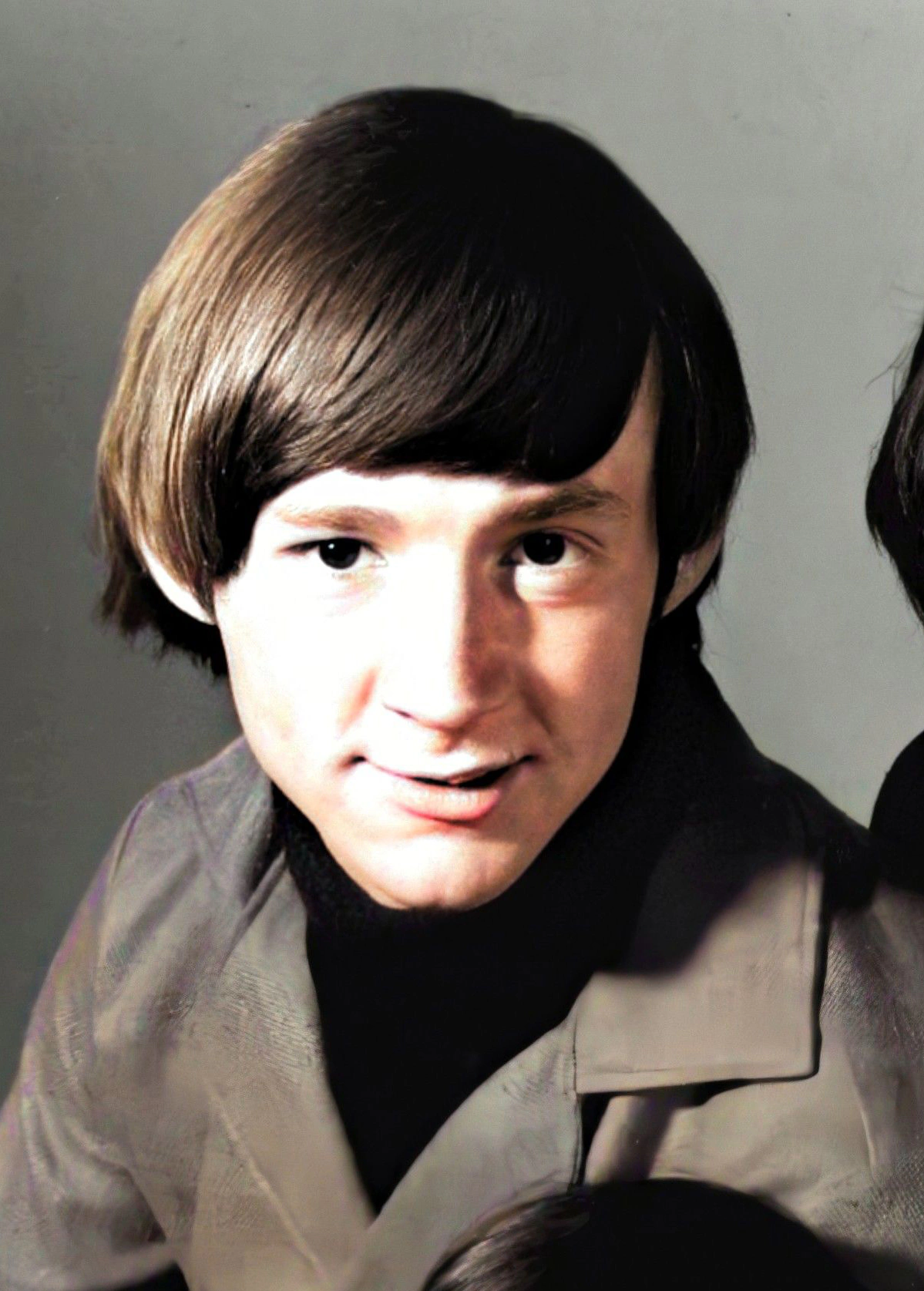
Attr: NBC Television
| 31 Quotes | |
| Born as | Peter Halsten Thorkelson |
| Occup. | Musician |
| From | USA |
| Born | February 13, 1942 Washington D.C., USA |
| Died | February 21, 2019 |
| Aged | 77 years |
| Cite | |
Citation Formats
APA Style (7th ed.)
Peter tork biography, facts and quotes. (2026, March 13). FixQuotes. https://fixquotes.com/artists/peter-tork/
Chicago Style
"Peter Tork biography, facts and quotes." FixQuotes. March 13, 2026. https://fixquotes.com/artists/peter-tork/.
MLA Style (9th ed.)
"Peter Tork biography, facts and quotes." FixQuotes, 13 Mar. 2026, https://fixquotes.com/artists/peter-tork/. Accessed 23 Mar. 2026.
Early Life and Background
Peter Tork was born Peter Halsten Thorkelson on February 13, 1942, in Washington, D.C., and grew up in a household where intellect and culture were not abstractions but daily weather. His parents were educated, politically aware, and professionally accomplished; his mother, Virginia, taught, and his father, a professor, brought Scandinavian lineage and academic seriousness into the home. The family later settled in Connecticut, and the boy who would become Peter Tork absorbed both postwar American mobility and the disciplined expectations of an educated middle-class family. He was bright, restless, and musically omnivorous. Long before television made him famous, he was already drawn toward the fellowship of folk clubs, coffeehouses, and informal jam sessions, places where skill, wit, and authenticity mattered more than polish.
That background helps explain the paradox that defined much of his life: he became internationally known through one of the most manufactured pop phenomena of the 1960s, yet his instincts were always those of a working musician. He learned piano, banjo, bass, and guitar, and he gravitated toward the Cambridge and Greenwich Village folk scenes at a moment when American youth culture was shifting from conformity to experiment. The era mattered. In the late 1950s and early 1960s, folk music offered not only repertoire but identity - communal, dissenting, improvisatory, and a little suspicious of show business. Tork fit naturally into that world. He was not born for celebrity so much as for ensemble playing, musical conversation, and the kind of bohemian seriousness that treated songs as social bonds.
Education and Formative Influences
Tork attended E.O. Smith High School in Storrs, Connecticut, but his real education came outside formal institutions. He briefly studied at Carleton College in Minnesota, yet college could not compete with the pull of music and the road. By the early 1960s he had moved through the folk circuit, performing in clubs in New York and elsewhere, often in the company of emerging singers and songwriters. He was part of the same broad milieu that nourished Bob Dylan, Dave Van Ronk, and countless less famous but highly skilled players who traded songs, styles, and survival tips. The folk revival taught Tork versatility and humility: a musician had to accompany, harmonize, listen, and adapt. It also gave him a democratic sense of music-making that never left him. He admired roots music, blues, and early rock not as museum pieces but as living forms, and that grounding later made him one of the most musically competent members of The Monkees, even when the group's industrial production process obscured his abilities.
Career, Major Works, and Turning Points
Tork's life changed in 1965 when Stephen Stills, who had auditioned for a new television series about a pop group, reportedly recommended him to the producers. Cast alongside Micky Dolenz, Davy Jones, and Michael Nesmith, Tork became one quarter of The Monkees, a made-for-TV band that unexpectedly became a real and enormously successful recording act. The series premiered in 1966 and quickly turned the quartet into a global sensation, generating hits such as "Last Train to Clarksville", "I'm a Believer" and "Daydream Believer". Tork, often presented onscreen as the sweet, slightly naive blond, contributed instrumental skill, comic timing, and a musician's frustration with the limits initially placed on the group. As The Monkees fought for greater artistic control, he played on later recordings and helped push the band toward more genuine participation. His most prominent showcase was "For Pete's Sake", which became associated with the show's closing theme and gave voice to the era's idealism. Yet fame came at a psychic cost. Exhaustion, financial strain, and disenchantment led him to leave the group in 1968. The decades that followed were uneven but revealing: he recorded with Release, worked in teaching and various jobs, struggled with the long afterlife of 1960s celebrity, and eventually found renewed purpose in later Monkees reunions and in his own blues-based work, especially with Peter Tork and Shoe Suede Blues. By the time he died on February 21, 2019, after years that included a battle with adenoid cystic carcinoma, he had lived through both the distortions of fame and the slower vindication of craft.
Philosophy, Style, and Themes
Tork's philosophy of music was anti-pretentious and stubbornly communal. He distrusted empty glamour and kept returning to the values he had learned before television: play well, listen hard, honor the song. That is why one of his most revealing admissions was, “My most favourite gigs that ever happened were solo, before The Monkees ever happened”. The sentence does not reject his fame; it measures it against an earlier freedom. He also insisted, against the condescension often directed at him, “Yes, I am a good singer”. That was not vanity so much as self-recovery. Tork spent years being underestimated - by critics who dismissed The Monkees, by audiences who saw only his screen persona, and sometimes by an industry that valued image over musicianship. His plainspoken self-defense reveals a man trying to close the gap between public caricature and private competence.
His style as a player and thinker was rooted in American vernacular music, especially blues and folk, not as brands but as social ethics. “The blues brings you back into the fold. The blues isn't about the blues, it's about we have all had the blues and we are all in this together”. That remark is almost a credo. For Tork, music was a way out of isolation, including the isolation created by celebrity itself. Even his complaints about The Monkees' production methods carried an artist's concern for honesty; he knew the machinery from the inside and understood how thin surfaces could conceal real labor. He admired musicians who served the music rather than their own myth, which helps explain his affection for roots artists and unshowy craftsmen. In that sense his career forms a coherent emotional arc: from folk clubs to pop stardom to blues revival, he kept searching for settings where music could feel reciprocal, human, and earned.
Legacy and Influence
Peter Tork's legacy rests on more than nostalgia for a beloved television phenomenon. He embodies a central tension in 1960s American music: the collision between commercial fabrication and authentic musicianship. Because he lived that contradiction so visibly, later generations could see The Monkees in a fuller light - not merely as a prefabricated act, but as performers who struggled, unevenly but sincerely, for artistic agency. Tork's instrumental fluency, warm stage presence, and refusal to surrender his roots made him a bridge between folk revival seriousness and pop accessibility. For fans, he remained the gentle heart of The Monkees; for musicians, he was a reminder that skill can survive caricature; and for cultural historians, his life clarifies how mass media can both distort and disseminate talent. His best work, whether in ensemble or in smaller rooms, carried the same promise: beneath the machinery of fame there was still a musician trying to make contact.
Our collection contains 31 quotes written by Peter, under the main topics: Witty One-Liners - Wisdom - Music - Friendship - Sports.
Source / external links