
Peter Tosh Biography Quotes 8 Report mistakes
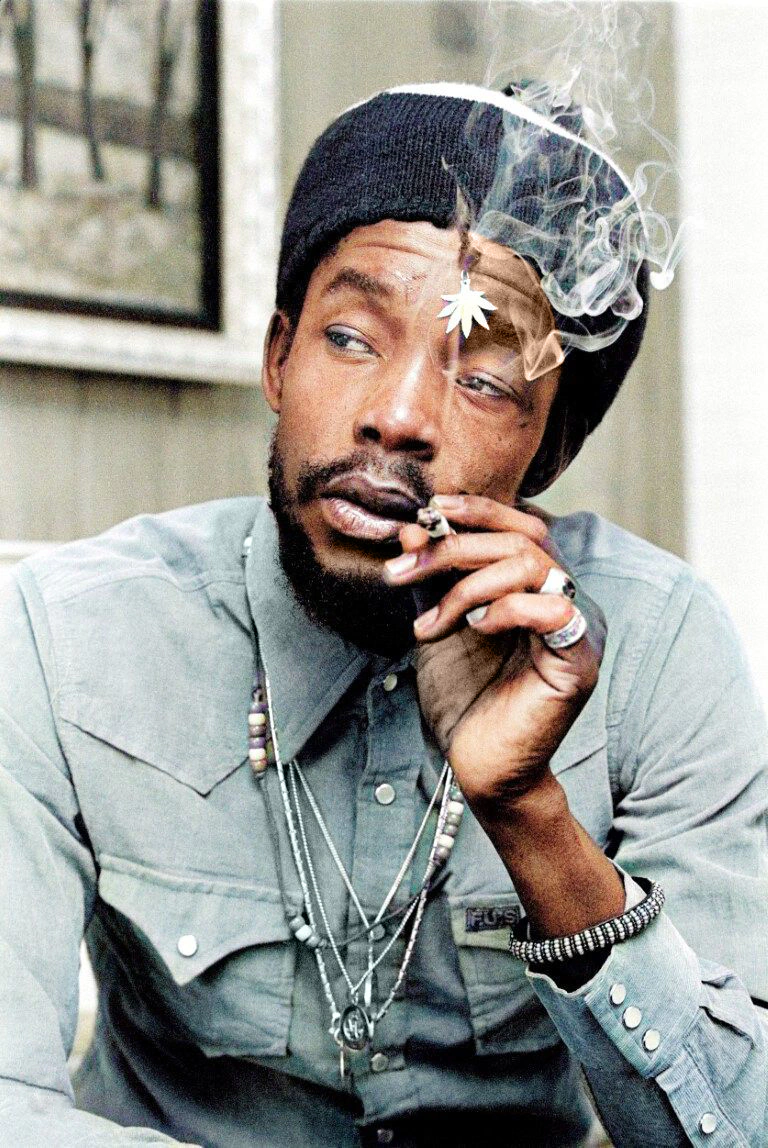
| 8 Quotes | |
| Born as | Winston Hubert McIntosh |
| Known as | Stepping Razor |
| Occup. | Musician |
| From | Jamaica |
| Born | October 19, 1944 Grange Hill, Jamaica |
| Died | September 11, 1987 Kingston, Jamaica |
| Aged | 42 years |
| Cite | |
Citation Formats
APA Style (7th ed.)
Peter tosh biography, facts and quotes. (2026, February 11). FixQuotes. https://fixquotes.com/artists/peter-tosh/
Chicago Style
"Peter Tosh biography, facts and quotes." FixQuotes. February 11, 2026. https://fixquotes.com/artists/peter-tosh/.
MLA Style (9th ed.)
"Peter Tosh biography, facts and quotes." FixQuotes, 11 Feb. 2026, https://fixquotes.com/artists/peter-tosh/. Accessed 12 Feb. 2026.
Early Life and Background
Winston Hubert McIntosh, later known worldwide as Peter Tosh, was born on October 19, 1944, in Grange Hill, Westmoreland, Jamaica, and spent early years in a rural landscape shaped by colonial hangovers, church authority, and grinding class divides. Raised largely by relatives and acutely sensitive to hardship, he developed the self-reliance and watchfulness that later read as severity onstage - a man who listened for power in every room and refused to beg for space.As a teen he moved to Kingston, gravitating to the crowded lanes of Trench Town where music was both currency and escape. In the capital he encountered the daily humiliations of poverty and policing that would become his lifelong subject: not personal sadness, but the machinery that manufactures it. Even before fame, he carried himself like someone appointed to speak for people who were expected to stay quiet.
Education and Formative Influences
Tosh was largely self-taught, building his education from guitar practice, street debates, and the portable university of Jamaican sound-system culture. He absorbed mento, American R&B, ska, and the Rastafari revival that re-centered Black dignity and sacred language in a society still disciplining African identity. The Bible, Garveyite ideas, and the practical intelligence of Kingston hustlers became his textbooks, while the emerging studio system - Coxsone Dodd's Studio One and its rivals - taught him arrangement, harmony, and how quickly art could be turned into product.Career, Major Works, and Turning Points
In 1963 Tosh co-founded the Wailers with Bob Marley and Bunny Livingston (Bunny Wailer), cutting early hits for Studio One such as "Simmer Down" and helping drive the shift from ska to rocksteady and reggae. As the group internationalized in the early 1970s through Island Records, Tosh chafed at unequal spotlight and industry smoothing; he left in 1974 to pursue a harder-edged solo path. His breakthrough album "Legalize It" (1976) fused militant advocacy with roots groove, followed by "Equal Rights" (1977), "Bush Doctor" (1978) with Mick Jagger, and later "Mama Africa" (1983), which widened his political frame beyond Jamaica. A notorious turning point came with the 1978 One Love Peace Concert, where Tosh used the platform to denounce police brutality and demand legalization, a public defiance that reportedly led to a beating and confirmed his status as reggae's uncompromising conscience. He was murdered during a robbery at his Kingston home on September 11, 1987, dying at 42 in a nation still arguing with the questions he would not stop asking.Philosophy, Style, and Themes
Tosh's inner life was organized around righteousness rather than likability. Where Marley often translated Rastafari into universal parable, Tosh kept its edge: truth as confrontation, not comfort. His sense of agency was spiritual and exacting - a discipline of language and action rooted in the Rastafari "I-and-I" consciousness: "In the beginning there was the word. The word was Jah. The word is in I, Jah is in I. I make what is good, better, and what is better, best. I follow this in every aspect of life". That credo reads like a private rulebook, explaining the precision of his phrasing and the refusal to dilute his demands for the sake of access.His songs are built like arguments - spare, repetitive, and insistent, using chant as pressure. "Equal Rights" and "Get Up, Stand Up" are not mere slogans; they are moral drills, training the listener to withstand fear. Tosh understood that power punishes speech, and he treated celebrity as a risk rather than a reward: "To have the truth in your possession you can be found guilty, sentenced to death". Even his dark humor carried theology: "Everybody wants to go to heaven, but nobody wants to die". In Tosh's psychology the joke is also a warning - liberation requires cost, and the world prefers salvation without sacrifice.
Legacy and Influence
Peter Tosh endures as reggae's great dissenter: a musician whose artistry was inseparable from the ethical demand behind it. His catalog helped define roots reggae as international protest music, influencing later generations across dancehall, hip-hop, punk, and Afro-diasporic activism, while his public advocacy for ganja legalization and human rights anticipated debates that moved into mainstream policy decades later. More than an icon, he remains a yardstick - the figure listeners invoke when measuring how much truth a culture can tolerate, and how much courage a song can hold.Our collection contains 8 quotes written by Peter, under the main topics: Truth - Justice - Never Give Up - Mortality - Music.
Other people related to Peter: Bob Marley (Musician), Johnny Nash (Musician)
Source / external links