
Puff Daddy Biography Quotes 37 Report mistakes
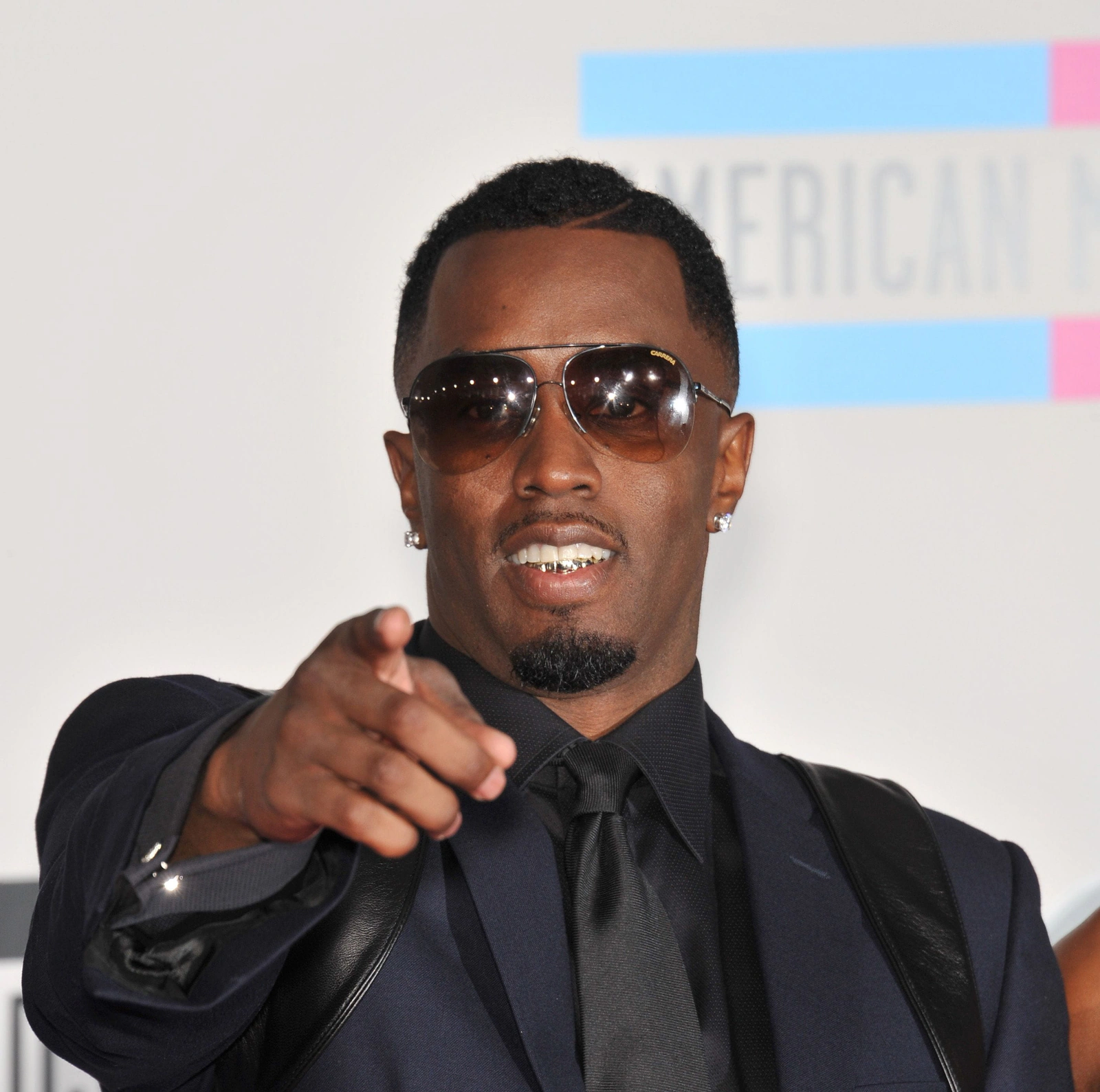
| 37 Quotes | |
| Born as | Sean John Combs |
| Known as | P. Diddy |
| Occup. | Musician |
| From | USA |
| Spouse | Kim Porter (1994-2007) |
| Born | November 4, 1970 Harlem, New York, USA |
| Age | 55 years |
| Cite | |
Citation Formats
APA Style (7th ed.)
Puff daddy biography, facts and quotes. (2026, February 11). FixQuotes. https://fixquotes.com/artists/puff-daddy/
Chicago Style
"Puff Daddy biography, facts and quotes." FixQuotes. February 11, 2026. https://fixquotes.com/artists/puff-daddy/.
MLA Style (9th ed.)
"Puff Daddy biography, facts and quotes." FixQuotes, 11 Feb. 2026, https://fixquotes.com/artists/puff-daddy/. Accessed 26 Mar. 2026.
Early Life and Background
Sean John Combs was born on November 4, 1970, in Harlem, New York City, and raised largely in Mount Vernon, New York, at a moment when New Yorks fiscal crisis and the aftershocks of deindustrialization were sharpening both scarcity and ambition. His father, Melvin Earl Combs, had ties to the street economy and was killed when Sean was very young, an absence that hardened his sense that safety was temporary and that status had to be engineered. His mother, Janice (Smalls) Combs, worked to stabilize the household, and the tension between glamour and precarity - the desire to look successful while fighting for basics - became a lasting psychological engine.As a teen he was outwardly social, fashion-conscious, and unusually alert to how rooms worked: who held influence, who could be convinced, and what image could unlock access. He carried himself like someone auditioning for the future, using hustle as both a survival strategy and a form of control. In the late 1980s and early 1990s, as hip-hop shifted from local scenes to national business, Combs absorbed the lesson that culture could be scaled - and that the person who packaged it could become as famous as the artist.
Education and Formative Influences
Combs attended Howard University in Washington, D.C., where the HBCU environment sharpened his networking instincts and taste for institution-building; he left before graduating but treated the campus like an incubator for leadership, parties, and promotion. He soon parlayed that drive into an internship at Uptown Records in New York, learning A-and-R, marketing, and the art of turning raw talent into a coherent brand. Uptowns mix of R-and-B sophistication and hip-hop edge - and the pressure-cooker discipline of executives like Andre Harrell - formed Combs as a producer who thought in singles, visuals, and headlines.Career, Major Works, and Turning Points
After being dismissed from Uptown, Combs founded Bad Boy Records in 1993 and quickly defined the sound and spectacle of mid-1990s mainstream rap, pairing street narratives with radio-ready hooks and lavish presentation. He executive-produced and guided The Notorious B.I.G. (notably Ready to Die, 1994, and Life After Death, 1997), developed acts including Faith Evans and 112, and intensified the era's East Coast-West Coast rivalry that turned tragic with the murders of Tupac Shakur (1996) and Biggie (1997). Combs stepped to the front as Puff Daddy with No Way Out (1997), a blockbuster built from grief, victory laps, and pop sampling; he expanded into fashion with Sean John (founded 1998) and later into broader entrepreneurship while rebranding across names (Puff Daddy, P. Diddy, Diddy). His public life also carried repeated scrutiny - from the highly visible nightlife economy of the 1990s to legal troubles and, later, major allegations and lawsuits in the 2020s that reframed his legacy debate in real time.Philosophy, Style, and Themes
Combs core psychology is willpower as identity: a belief that desire, performed loudly enough, becomes reality through labor, leverage, and proximity to excellence. He frames ambition as a moral posture rather than a mood, insisting, “I always say, 'The dream is free, but the hustle is sold separately.' You have to put in the work if you want to make your dreams a reality”. That line explains why his genius often looked less like musicianship than mobilization - assembling writers, producers, stylists, videographers, and publicists into an engine that could outpace competitors through sheer coordination.His artistic signature favored maximalism: glossy mixes, anthemic choruses, and samples that turned nostalgia into dominance, with the producer as ringmaster. Yet underneath the champagne imagery sat a cost he occasionally named: “This whole Puff Daddy thing has taken a toll on me”. The toll reads as the burden of perpetual performance - the need to be invincible, omnipresent, and winning - which can harden into defensiveness when challenged. Even his motivational rhetoric contains a thinly veiled fear of losing, and he channels that anxiety into a creed of total commitment: “My motto is: If you want to be great, you have to be willing to sacrifice everything for it”. In his world, sacrifice is not only time and sleep, but also privacy, softness, and sometimes restraint - the darker twin of the spectacle he perfected.
Legacy and Influence
Combs helped invent the modern hip-hop mogul: a figure who treats music as the flagship for a wider empire of fashion, media, nightlife, and branding, and who sells aspiration as much as sound. His Bad Boy era shaped radio rap, music video aesthetics, and the producer-as-celebrity template that later generations expanded, while his business instincts normalized hip-hop as a boardroom language. At the same time, the controversies and recent legal storms surrounding his personal conduct have forced a sharper public argument about power, accountability, and the human damage that can hide behind myth-making - ensuring that his influence is studied not only for what it built, but for what it may have cost others and himself.Our collection contains 37 quotes written by Puff, under the main topics: Witty One-Liners - Motivational - Art - Justice - Never Give Up.
Other people related to Puff: Lil' Kim (Musician)
Source / external links