
Randy Travis Biography Quotes 3 Report mistakes
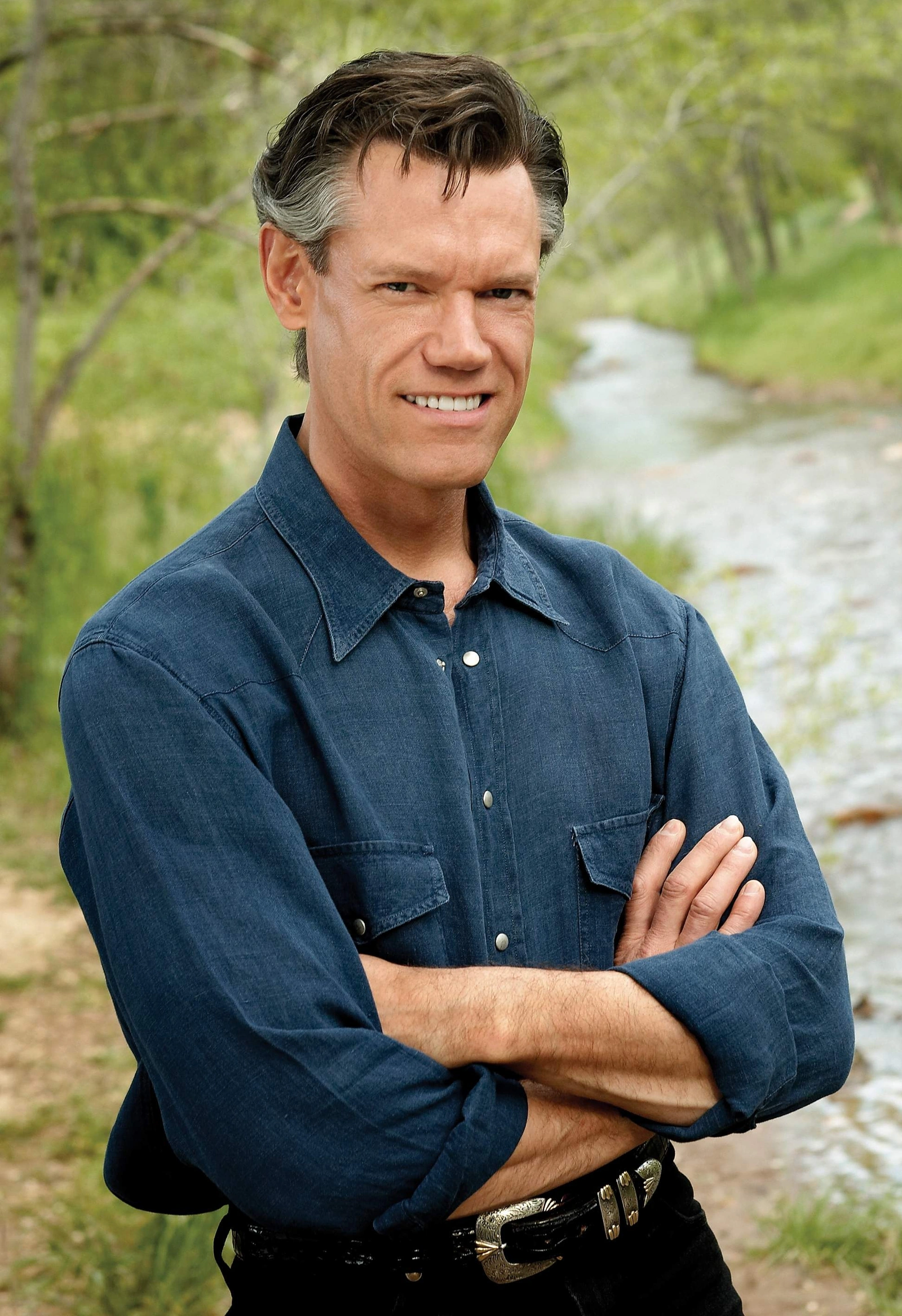
| 3 Quotes | |
| Born as | Randy Bruce Traywick |
| Occup. | Musician |
| From | USA |
| Born | May 4, 1959 Marshville, North Carolina, USA |
| Age | 66 years |
| Cite | |
Citation Formats
APA Style (7th ed.)
Randy travis biography, facts and quotes. (2026, February 11). FixQuotes. https://fixquotes.com/artists/randy-travis/
Chicago Style
"Randy Travis biography, facts and quotes." FixQuotes. February 11, 2026. https://fixquotes.com/artists/randy-travis/.
MLA Style (9th ed.)
"Randy Travis biography, facts and quotes." FixQuotes, 11 Feb. 2026, https://fixquotes.com/artists/randy-travis/. Accessed 6 Mar. 2026.
Early Life and Background
Randy Travis was born Randy Bruce Traywick on May 4, 1959, in Marshville, North Carolina, a small town where Pentecostal faith, mill work, and country radio formed a single social weather. The youngest of six children in a working-class family, he grew up with music as both pastime and proof of belonging - the sound of Hank Williams and George Jones filtering into living rooms and VFW halls, the expectation that a boy would learn a trade, keep his word, and keep his temper.That temper became part of his early legend. As a teenager he clashed with authority, collected run-ins with the law, and carried a restlessness that made him seem older than his years. Yet even in trouble, he had an instinct for performance: a baritone that could drop into a line and make it feel like confession, and a stage presence that turned honky-tonk chaos into focus. In hindsight, his youth reads like the raw material for the themes he would later sing best - regret, accountability, and the hard-earned desire to be better than yesterday.
Education and Formative Influences
Travis did not follow a conventional academic path; his real education came from hard jobs, late-night clubs, and the informal conservatory of Southern country music. He absorbed classic country phrasing - the conversational timing of Lefty Frizzell, the ache-and-restraint of Merle Haggard - and learned how a lyric can sound plain while carrying a hidden spiritual weight. Early gigs in North Carolina and nearby circuits taught him that authenticity was not a marketing term but a survival skill: audiences forgave imperfection, not pretense.Career, Major Works, and Turning Points
After relocating to Nashville and taking the stage name Randy Travis, he broke through in the mid-1980s just as mainstream country was tilting back toward traditional sounds. His debut album Storms of Life (1986) anchored the "new traditionalist" wave, yielding hits like "On the Other Hand" and "Diggin' Up Bones" and making his unforced baritone a radio standard. No Holdin' Back (1987) extended the run with "Forever and Ever, Amen", while later milestones such as Old 8x10 (1988), "Deeper Than the Holler", and the gospel-leaning "Three Wooden Crosses" showed he could move from romantic certainty to moral parable without changing vocal temperature. He also acted in film and television, but his central turning points were personal and bodily: public struggles that complicated his image, and then the devastating 2013 stroke that sharply limited his speech and movement. The arc of his career, from peak control to enforced stillness, reframed his catalog as more than hits - as a record of a man learning what can and cannot be fixed.Philosophy, Style, and Themes
Travis' music is built on discipline disguised as ease. He sang with a low, steady center, letting the lyric do the work - a style that made intimacy feel public and public emotion feel private. His best recordings rely on space: pauses that imply thought, sustained notes that suggest endurance, and a refusal to oversell pain. That restraint is psychological: his voice often sounds like someone who has already argued with himself and is now stating the verdict.The moral core of his repertoire - salvation, consequence, devotion, and legacy - reflects a man who treated belief as lived experience rather than ornament. “For me, having come to study and understand some of the Bible and finally getting saved made a huge difference in me, because my wife was a big influence on that. I saw in her, when I first met her, a person's soul at peace with everything and everybody around her”. That line explains why his gospel material does not feel like a detour: it is the interior story catching up with the public one. Even his origin story is framed as a vocation, not rebellion: “My dad wanted me to play when I was a kid, so I learned to play the guitar. I pursued a career in music because I love it so much and I enjoy what it does to those who hear it”. Underneath, a third idea ties the catalog together - that a life is measured by what remains in other people: “It's not what you take when you leave this world behind you. It's what you leave behind you when you go”. In Travis' songs, that "leave behind" is often a promise kept, a warning heeded, or a grace finally accepted.
Legacy and Influence
Randy Travis helped reset late-20th-century country music toward traditional singing, story-first writing, and emotional gravity, influencing artists who wanted their records to sound like people rather than products. His baritone became a template for sincerity in an era of pop crossover, and his willingness to place faith, remorse, and redemption at the center of mainstream hits expanded what country radio could hold. After his stroke, his perseverance - and the continued reverence for his recordings - deepened his stature: he is remembered not only as a hitmaker, but as a voice that made American working-class spirituality and accountability sound dignified, human, and enduring.Our collection contains 3 quotes written by Randy, under the main topics: Music - Faith - Legacy & Remembrance.
Other people related to Randy: Carrie Underwood (Musician)
Source / external links