
Richard Manuel Biography Quotes 4 Report mistakes
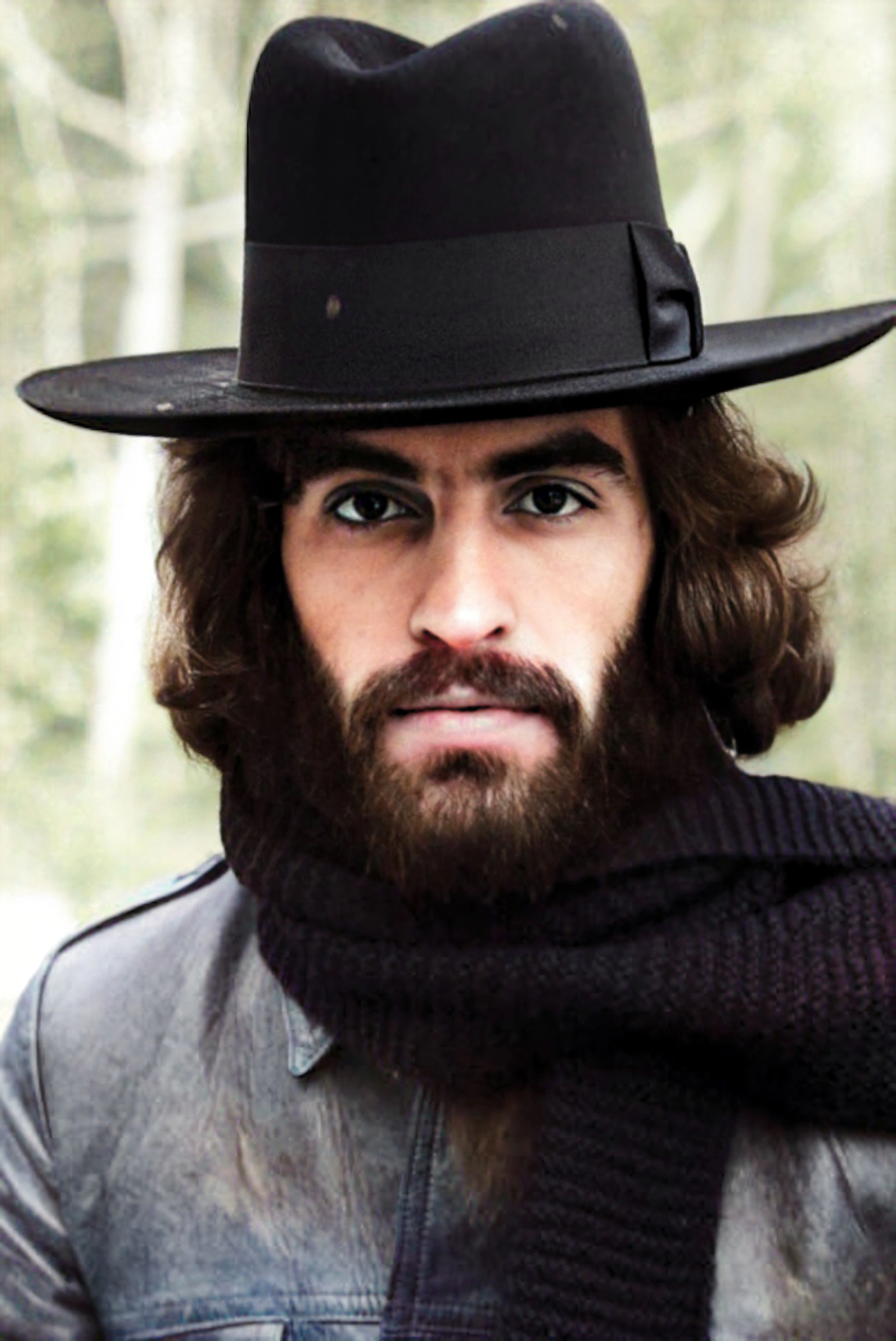
| 4 Quotes | |
| Born as | Richard George Manuel |
| Occup. | Musician |
| From | Canada |
| Born | April 3, 1943 Stratford, Ontario, Canada |
| Died | March 4, 1986 Winter Park, Florida, United States |
| Cause | Suicide by hanging |
| Aged | 42 years |
| Cite | |
Citation Formats
APA Style (7th ed.)
Richard manuel biography, facts and quotes. (2026, February 11). FixQuotes. https://fixquotes.com/artists/richard-manuel/
Chicago Style
"Richard Manuel biography, facts and quotes." FixQuotes. February 11, 2026. https://fixquotes.com/artists/richard-manuel/.
MLA Style (9th ed.)
"Richard Manuel biography, facts and quotes." FixQuotes, 11 Feb. 2026, https://fixquotes.com/artists/richard-manuel/. Accessed 6 Mar. 2026.
Early Life and Musical Beginnings
Richard George Manuel was born on April 3, 1943, in Stratford, Ontario, Canada. Drawn to music at an early age, he studied piano and steeped himself in gospel, blues, and early rock and roll, developing a feel for harmony and dynamics that would later define his work. As a teenager he helped form the Revols, an Ontario-based group that worked the local circuits and built a regional reputation for tight playing and soulful vocals. Those early years honed his musicianship and stage presence and set him on a path toward professional touring.The Hawks and the Road to The Band
Manuel's first major break came when he joined Ronnie Hawkins, the Arkansas-born rockabilly bandleader who ran a rigorous, high-energy show with the Hawks. Within Hawkins's lineup, Manuel connected with Robbie Robertson, Levon Helm, Rick Danko, and Garth Hudson. Hawkins's demanding standards forged the five into a formidable unit; they learned economy, groove, and showmanship while traveling relentlessly. Eventually the core members separated from Hawkins, performing on their own as Levon and the Hawks. Manuel's role expanded beyond piano: he emerged as one of the group's most expressive singers, and his ear for harmony helped fuse the five distinct musical personalities into a single, distinctive sound.Bob Dylan and the Electric Turn
In 1965 Bob Dylan invited the group to back him as he shifted from acoustic folk to a harder, electric sound. The collaboration, often met with controversy from audiences unprepared for Dylan's transformation, sharpened Manuel's sense of dynamics and ensemble listening. When the pace of touring abated, the musicians convened around Woodstock, New York, often at a house in West Saugerties nicknamed Big Pink. There, informal sessions with Dylan produced what later became known as the Basement Tapes. Manuel co-wrote Tears of Rage with Dylan, a song that showcased his melodic sensitivity and soulful phrasing.Music From Big Pink and The Band
The group, by then simply called the Band, recorded Music From Big Pink in 1968 with producer John Simon. Manuel's presence was central: his aching tenor and falsetto deepened I Shall Be Released, and his originals In a Station, Lonesome Suzie, and We Can Talk revealed both a tender lyrical voice and a distinctive rhythmic touch at the piano. The follow-up, The Band (1969), further established their identity. Whispering Pines, which he co-wrote, distilled Manuel's gift for vulnerability and mood. While Robertson increasingly took the lead in songwriting, Manuel remained one of the Band's defining interpreters, shaping arrangements from the keyboard and delivering some of their most emotive vocals. His interplay with Levon Helm's drumming, Rick Danko's bass and harmonies, Garth Hudson's atmospheric keyboards, and Robertson's guitar work contributed to a sound that drew from American roots traditions while feeling wholly original.Artistry and Musical Character
Manuel's piano style blended the gospel cadences of Ray Charles, the barrelhouse attack of roadhouse blues, and a lyrical, almost classical sense of voicing. He could drive a song with percussive chords or retreat into spacious, suspensive lines that gave the Band's three-part harmonies room to bloom. As a singer, he had a rare combination of grit and fragility; the upward glide of his falsetto carried resignation and yearning without losing tonal warmth. He also contributed to the Band's rhythmic versatility, occasionally shifting instruments when arrangements demanded it, and he treated the piano not as a spotlight but as a glue linking guitars, rhythm, and voices.The Last Waltz and Collaborators
By the mid-1970s, after years of recording and touring, the Band staged a farewell concert on Thanksgiving 1976 at Winterland in San Francisco. The event, dubbed The Last Waltz and filmed by Martin Scorsese, gathered many of their peers and heroes, including Bob Dylan, Muddy Waters, Van Morrison, Joni Mitchell, Eric Clapton, Neil Young, Emmylou Harris, and the Staple Singers. Manuel's performances were highlights for their rawness and poise; his lead on The Shape I'm In and his voice rising through the closing I Shall Be Released reaffirmed his place as one of the ensemble's most affecting interpreters. The film captured not only the scope of the Band's relationships but also the quiet intensity with which Manuel inhabited a song.Later Work and Reunions
Following the Band's initial split, Manuel remained connected to his bandmates. He performed in smaller settings and occasionally in duo formats, often with Rick Danko, where his piano and voice could occupy center stage with a disarming intimacy. In the early 1980s, the Band returned to touring without Robbie Robertson, and Manuel rejoined Levon Helm, Rick Danko, and Garth Hudson on the road. The reunion underscored how integral his voice and touch were to the group's identity, even in a changing musical landscape. Managers and producers from earlier eras, notably Albert Grossman, were part of the wider professional orbit that had shaped the Band's path, though Manuel's later years were more about the stage than the studio.Struggles and Final Years
Alongside his gifts, Manuel wrestled with addiction and periods of depression. Friends and colleagues often spoke of his kindness and humor, but also of the fragility that shadowed his most luminous performances. Despite stretches of renewed focus and compelling shows during the 1980s tours, the strain of the road and personal battles weighed heavily. On March 4, 1986, after a concert in Florida, he died by suicide in Winter Park. His passing was a profound loss to those closest to him and to listeners who found in his singing and playing a rare honesty.Legacy
Richard Manuel's legacy lives in the recordings that continue to inspire musicians across genres. His writing and co-writing, from Tears of Rage to Whispering Pines, and his signature readings of songs like I Shall Be Released, defined a standard of emotional candor in roots-based music. Within the Band's storied catalog, his piano voicings and harmonies remain essential to the group's character; apart from technical skill, he brought a sense of prayerful hush and storm-battered resilience that few rock ensembles have matched. The continuing influence of the Band on Americana and rock, celebrated by peers and new generations alike, keeps Manuel's contributions in circulation. Tributes from fellow members Robbie Robertson, Levon Helm, Rick Danko, and Garth Hudson over the years have underscored how deeply his artistry shaped their sound. Posthumous releases of live recordings have offered further glimpses of his intimate stage presence, and honors accorded to the Band as a whole have reaffirmed his place in modern music history. Above all, the enduring pull of his voice and piano reminds listeners that vulnerability can be its own kind of strength, and that restraint, when held by a musician of such feeling, can speak volumes.Our collection contains 4 quotes written by Richard, under the main topics: Music - Nature - Management.
Source / external links