
Robert Palmer Biography Quotes 4 Report mistakes
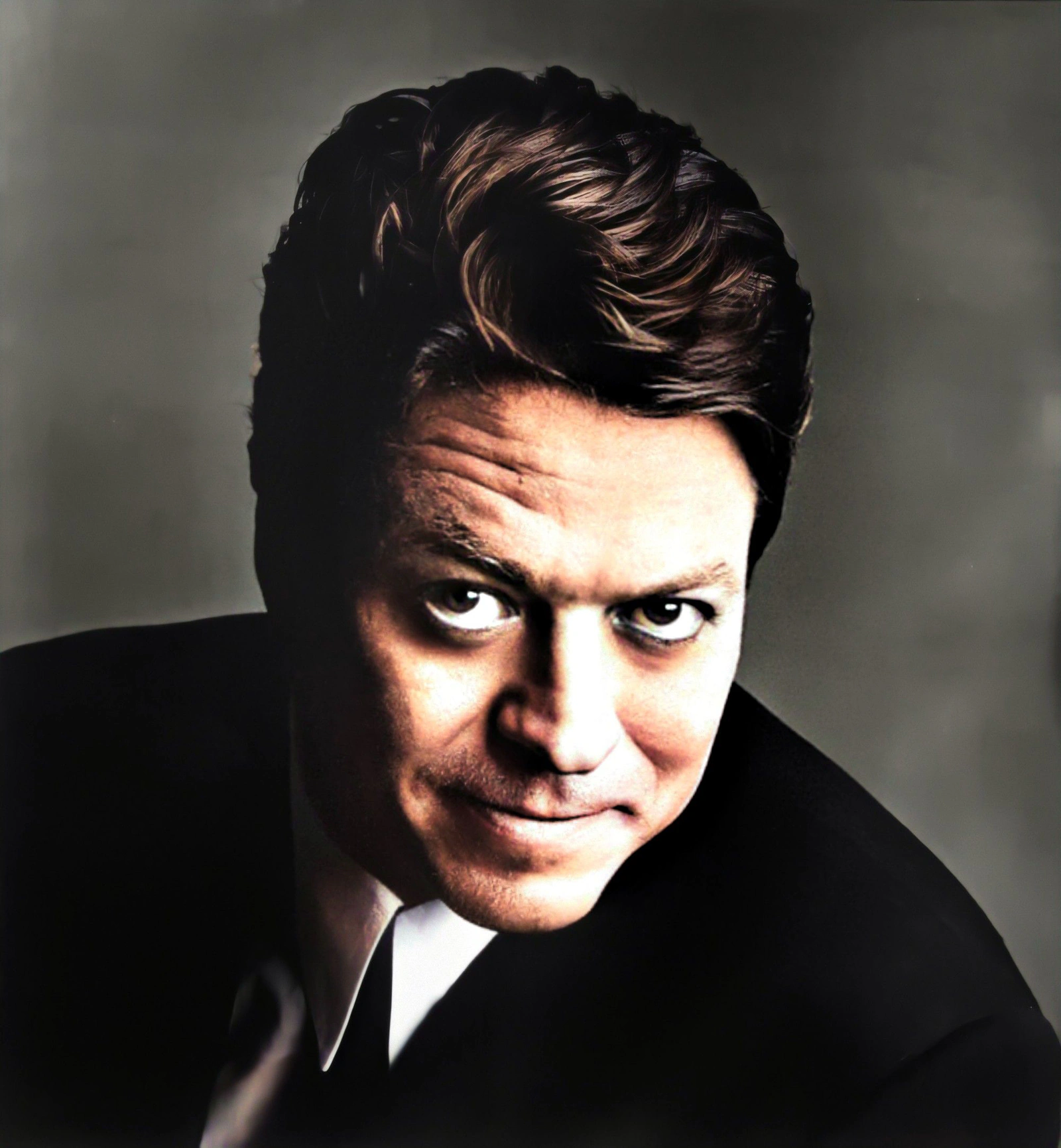
| 4 Quotes | |
| Born as | Robert Allen Palmer |
| Occup. | Musician |
| From | United Kingdom |
| Born | January 19, 1949 Batley, West Riding of Yorkshire, England |
| Died | September 26, 2003 Paris, France |
| Aged | 54 years |
| Cite | |
Citation Formats
APA Style (7th ed.)
Robert palmer biography, facts and quotes. (2026, February 28). FixQuotes. https://fixquotes.com/artists/robert-palmer/
Chicago Style
"Robert Palmer biography, facts and quotes." FixQuotes. February 28, 2026. https://fixquotes.com/artists/robert-palmer/.
MLA Style (9th ed.)
"Robert Palmer biography, facts and quotes." FixQuotes, 28 Feb. 2026, https://fixquotes.com/artists/robert-palmer/. Accessed 28 Mar. 2026.
Early Life and Background
Robert Allen Palmer was born on January 19, 1949, in Batley, Yorkshire, England, and spent much of his childhood in the port city of Malta, where his father worked in British naval intelligence. The dislocation mattered: Malta exposed him early to a crossroads of Mediterranean and Anglo-American sounds, while the lingering afterglow of empire made him both insider and observer - a stance that later fed his cool, cosmopolitan stage persona.Returning to England as a teenager, he grew up in a country rapidly remaking itself through postwar affluence, youth culture, and imported rhythm and blues. He was never just a rock frontman in the narrow sense; even early on he listened like a collector, filing away accents, grooves, and vocal inflections. That breadth helped him survive an era when British pop moved fast - from blues revival to prog to glam to punk to new wave - and rewarded artists who could adapt without looking desperate.
Education and Formative Influences
Palmer left school young and educated himself in clubs, record shops, and rehearsal rooms, absorbing American soul, Jamaican reggae, and the British R&B circuit that connected cities like Leeds, London, and Liverpool. In the late 1960s he sang with The Mandrakes and then joined the Alan Bown Set, a group linked to the UK jazz-rock and soul underground; the experience taught him arrangement, band discipline, and how to sell nuanced material to noisy rooms. By the time he entered the early 1970s pub-rock ecosystem, he had already developed the signature that would follow him: a smooth, pliable voice deployed with a connoisseur's sense of genre.Career, Major Works, and Turning Points
Palmer first gained wider notice as vocalist for Dada and then Vinegar Joe (with Elkie Brooks), whose gritty R&B theatrics hardened his stagecraft before he went solo in 1974. His early albums established him as a stylist with range: Sneakin' Sally Through the Alley (1974) fused funk and rock with New Orleans players; Pressure Drop (1975) leaned into reggae and soul; and Some People Can Do What They Like (1976) broadened his palette, later followed by the sleek, radio-ready Clues (1980). A major turning point came with Riptide (1985), propelled by "Addicted to Love" and its iconic video aesthetic, and he sustained momentum with "I Didn't Mean to Turn You On" and "Simply Irresistible" (from Heavy Nova, 1988). Another pivot was The Power Station (1985) with John Taylor, Andy Taylor, and Tony Thompson - a hard-edged supergroup that reframed him for MTV-era rock - while his 1990s work, including Ridin' High (1992) and Rhythm and Blues (1999), reaffirmed his devotion to classic songcraft over trend-chasing. He died suddenly of a heart attack in Paris on September 26, 2003, after a concert, closing a career defined by polish without sterility.Philosophy, Style, and Themes
Palmer's art was built on appetite and curation: he treated popular music as a living library rather than a fixed identity. His own story of discovery captures the compulsion behind that breadth: “My access to music when I was growing up was through pirate radio, you know, transistor radio under the pillow, listening to one more and then 'just one more' until your favourite track comes on”. That restless listening became a psychological motor - a need for the next perfect groove, the next borrowed color - and it explains why he could move from funk to reggae to synth-pop while still sounding like himself.Yet Palmer also understood the limits of explanation and the primacy of feel. “Trying to describe something musical is like dancing to architecture, it's really difficult”. He rarely presented his versatility as a theory; instead he embodied it, using a debonair image and a controlled vocal delivery to make disparate traditions sound continuous. Beneath the surface poise was a craftsman's anxiety about how art is flattened into anecdotes and slogans - a tension echoed in his complaint about misquotation: “What happens often - although I'm not particularly a victim of this sort of thing - is that somebody will make a quote, or invent a remark and it gets printed, ends up on the 'net and it becomes currency. And some of them are so bizarre!” It is the voice of someone guarding interior complexity: he wanted the song, the arrangement, and the performance to carry meaning, not the myth around them.
Legacy and Influence
Palmer endures as a model of modern pop cosmopolitanism: a British singer who treated American soul, Caribbean rhythm, and European cool as compatible dialects, helping define the glossy, cross-genre mainstream of the 1980s without being owned by it. His videos shaped the era's visual grammar, but his deeper legacy is musical - the proof that taste, discipline, and curiosity can be as compelling as raw confession. For later artists navigating genre-fluid careers, Palmer remains a case study in how to borrow respectfully, deliver impeccably, and keep the inner listener - the kid under the pillow chasing "just one more" - in charge.Our collection contains 4 quotes written by Robert, under the main topics: Music - Internet.
Source / external links