
Robert Plant Biography Quotes 17 Report mistakes
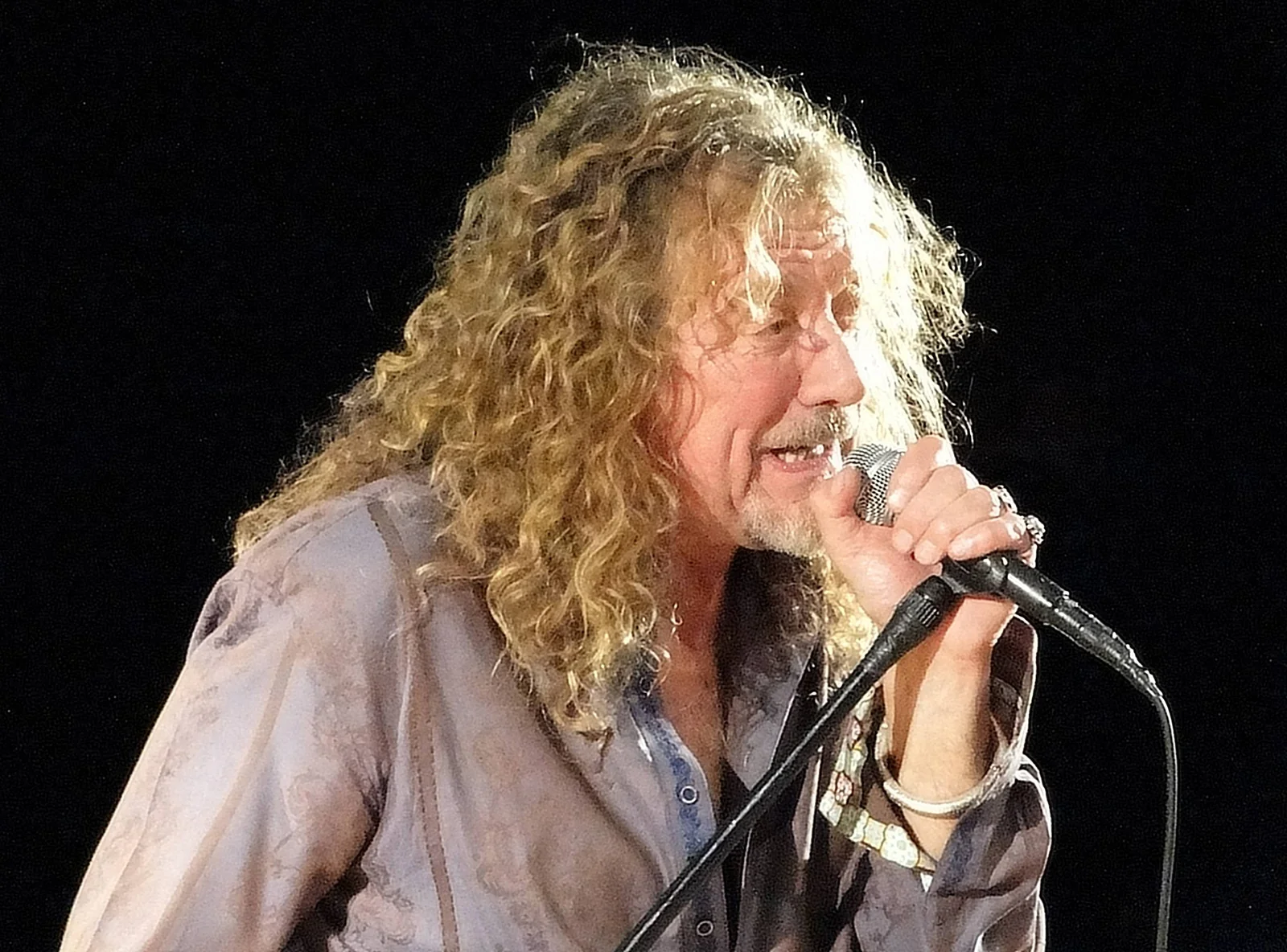
| 17 Quotes | |
| Occup. | Musician |
| From | United Kingdom |
| Born | August 20, 1948 |
| Age | 77 years |
| Cite | |
Citation Formats
APA Style (7th ed.)
Robert plant biography, facts and quotes. (2026, February 11). FixQuotes. https://fixquotes.com/artists/robert-plant/
Chicago Style
"Robert Plant biography, facts and quotes." FixQuotes. February 11, 2026. https://fixquotes.com/artists/robert-plant/.
MLA Style (9th ed.)
"Robert Plant biography, facts and quotes." FixQuotes, 11 Feb. 2026, https://fixquotes.com/artists/robert-plant/. Accessed 27 Mar. 2026.
Early Life and Background
Robert Anthony Plant was born on August 20, 1948, in West Bromwich, Staffordshire, and grew up in the Black Country and nearby Worcestershire, a Midlands landscape of postwar industry, river valleys, and migrant musical currents. His father, a civil engineer, and his mother, from a Romani background he later referenced with pride, raised him amid the practical expectations of provincial England just as American blues, skiffle, and early rock began seeping into youth clubs and record shops.As a teenager he was pulled between conventional security and the intoxicating idea that a voice could re-make a life. He haunted venues in Birmingham and Wolverhampton, absorbing the local circuit where hard-edged R&B met folk revival and psychedelia. That environment trained him early in improvisation and persona: how to hold a room, how to ride a band that might be brilliant one night and chaotic the next, and how to treat music as both escape hatch and calling.
Education and Formative Influences
Plant attended King Edward VI Grammar School, Stourbridge, but left formal education early, choosing the uncertain apprenticeship of gigs, vans, and short-lived groups. He studied singers more than syllabi - Robert Johnson and Son House through the British blues boom, Elvis Presley for physical charisma, and the Yardbirds-era model of a British band retooling American sources into something louder and stranger. The Midlands scene, with figures like Alexis Korner in the broader network and Birmingham peers in heavy blues, taught him that lineage mattered, but invention mattered more.Career, Major Works, and Turning Points
After stints in Band of Joy and Hobstweedle, Plant was recruited in 1968 by guitarist Jimmy Page for the New Yardbirds, soon renamed Led Zeppelin; their run (1968-1980) produced era-defining albums including Led Zeppelin I and II (1969), IV (1971) with "Stairway to Heaven", Houses of the Holy (1973), Physical Graffiti (1975), and Presence (1976), and made Plant a template for the modern rock frontman. Personal catastrophe shaped his trajectory: a serious car crash in Greece in 1975, then the 1977 death of his son Karac during the U.S. tour, followed by John Bonham's death in 1980, after which Zeppelin ended rather than continue. Plant rebuilt through solo work (notably Pictures at Eleven, 1982, and The Principle of Moments, 1983), later collaborations with Page (No Quarter, 1994; Walking into Clarksdale, 1998), and a mature reinvention that embraced roots and global textures, culminating in the Grammy-winning Raising Sand with Alison Krauss (2007) and subsequent albums that favored ensemble nuance over stadium conquest.Philosophy, Style, and Themes
Plant's art is often read as swagger, but his inner logic is restlessness - a refusal to become a monument to his own past. His lyrics, especially in Zeppelin, stitched blues archetypes to Celtic and Tolkien-tinged myth, converting longing into quest narratives and erotic charge into ritual language; later writing turned more observational, drawn to memory, weather, travel, and the way time edits identity. He repeatedly treated fame as a temporary costume rather than a fixed self, and he guarded private grief while letting it change the color of his voice and song choices.As a vocalist, he combined melisma and attack with an unusually high, keening register that made masculine bravado sound vulnerable, even exposed. He punctured his own legend with humor and self-scrutiny: “My vocal style I haven't tried to copy from anyone. It just developed until it became the girlish whine it is today”. Offstage, he framed solitude not as exile but as fuel, a psychological need that helped him survive both adulation and loss: “I like the idea of being alone. I like the idea of often being alone in all aspects of my life. I like to feel lonely. I like to need things”. And onstage he recast power as exchange rather than domination, describing performance as a moral act of shaping feeling in real time: “It's sort of a feeling of power onstage. It's really the ability to make people smile, or just to turn them one way or another for that duration of time, and for it to have some effect later on. I don't really think it's power... it's the goodness”.
Legacy and Influence
Plant endures as a central figure of late-20th-century rock: a singer who helped define hard rock and heavy metal frontmanship while continually complicating that definition through reinvention. His Zeppelin work remains a high watermark for vocal charisma and archetypal songcraft, while his post-Zeppelin choices - turning toward Americana, North African and Middle Eastern inflections, and collaborative band identities - offered a model for aging rock stars who refuse nostalgia as a business plan. Generations of vocalists cite his tone, phrasing, and stage language; just as significant is the example of a public artist who repeatedly chose curiosity over brand preservation, letting history be a foundation rather than a cage.Our collection contains 17 quotes written by Robert, under the main topics: Witty One-Liners - Truth - Never Give Up - Music - Love.
Other people related to Robert: Jimmy Page (Musician), Roy Harper (Musician)
Source / external links