
Ron Carter Biography Quotes 3 Report mistakes
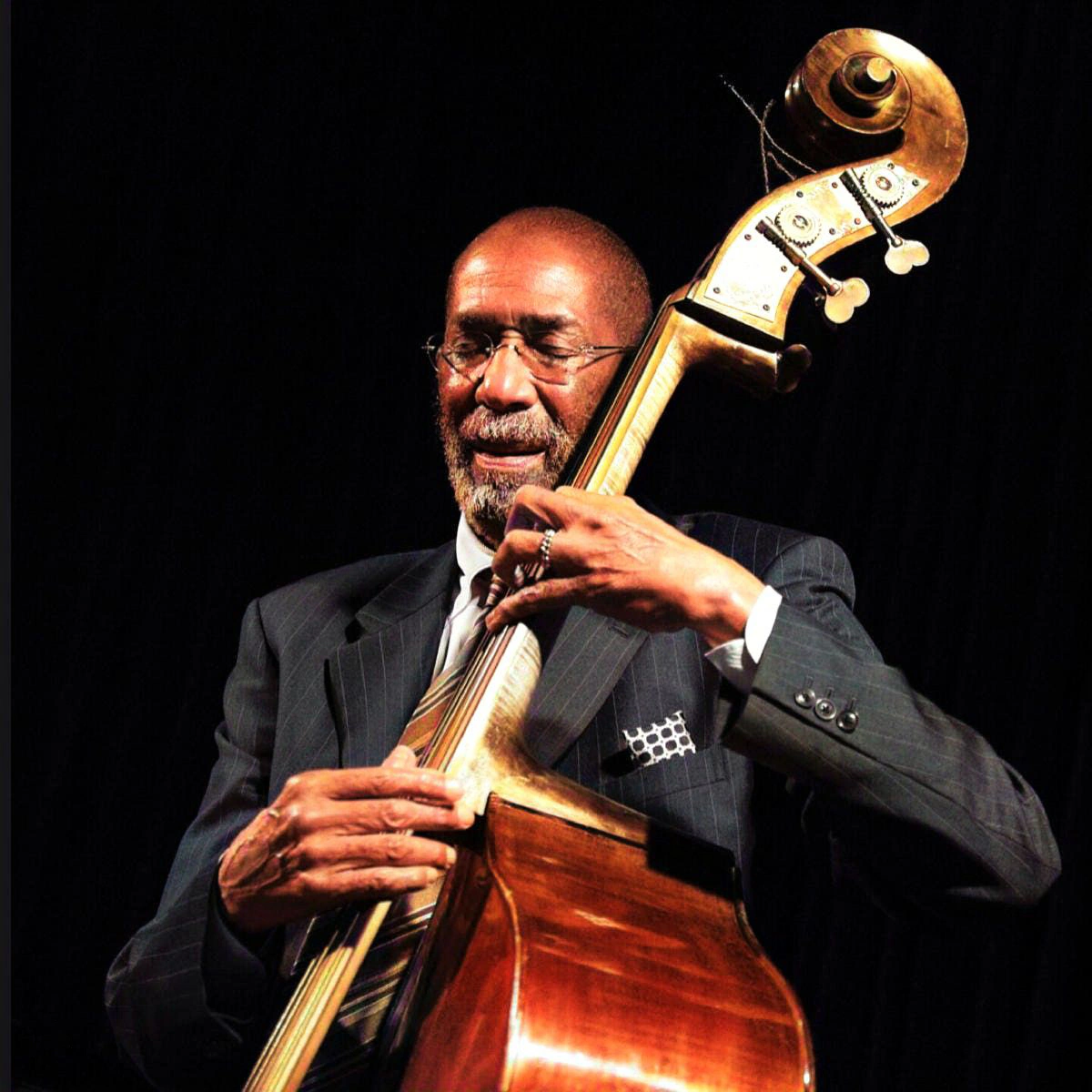
| 3 Quotes | |
| Born as | Ronald Levin Carter |
| Occup. | Musician |
| From | USA |
| Spouse | Hilma Carter |
| Born | May 4, 1937 Ferndale, Michigan, USA |
| Age | 88 years |
| Cite | |
Citation Formats
APA Style (7th ed.)
Ron carter biography, facts and quotes. (2026, February 11). FixQuotes. https://fixquotes.com/artists/ron-carter/
Chicago Style
"Ron Carter biography, facts and quotes." FixQuotes. February 11, 2026. https://fixquotes.com/artists/ron-carter/.
MLA Style (9th ed.)
"Ron Carter biography, facts and quotes." FixQuotes, 11 Feb. 2026, https://fixquotes.com/artists/ron-carter/. Accessed 6 Mar. 2026.
Early Life and Background
Ronald Levin Carter was born on May 4, 1937, in Ferndale, Michigan, and came of age in a mid-century America where Black musicians could be celebrated onstage yet constrained off it. His family soon returned to the Detroit area, a region whose churches, schools, and union halls formed a pragmatic musical ecosystem: disciplined rehearsal, steady gigs, and a constant traffic between swing, bebop, and the emerging modern jazz. Detroit also offered a model of professionalism - the city produced players who could read, arrange, and endure the economics of nightly work.Carter began on cello, drawn to its orchestral gravitas, but the realities of race in classical music narrowed the path. Facing limited opportunities and the practical demand for bassists, he shifted to double bass while keeping a cellists ear for line, intonation, and lyrical phrasing. That early detour - from aspirational classical training to the working instrument of jazz - shaped an inner stance that stayed with him: refined sound as a form of self-definition, and craft as a route around barriers.
Education and Formative Influences
He studied at the Eastman School of Music in Rochester, New York, then deepened his classical foundation at the Manhattan School of Music, earning advanced degrees while absorbing New Yorks working-band reality in the late 1950s and early 1960s. The combination was rare: conservatory rigor, a thorough command of harmony and orchestration, and street-level knowledge of how drummers place time, how horn players breathe, and how arrangers build space - training that made him unusually versatile as a sideman, composer, and eventual bandleader.Career, Major Works, and Turning Points
Carter entered the national spotlight with Chico Hamilton and then with Eric Dolphy and others in the early 1960s, but the defining turning point came in 1963 when Miles Davis hired him for the so-called Second Great Quintet with Herbie Hancock, Wayne Shorter, and Tony Williams. Across landmark recordings such as E.S.P., Miles Smiles, Nefertiti, and the live Plugged Nickel sets, Carter became a co-author of the bands elastic time and harmonic ambiguity, anchoring freedom with precision. After leaving Davis in 1968, he built a vast career as New Yorks first-call bassist, recording on thousands of sessions across jazz, pop, and film, while leading ensembles of his own and sustaining long-running partnerships - notably with guitarist Jim Hall - that highlighted his chamber-like interplay and appetite for nuanced conversation.Philosophy, Style, and Themes
Carter played bass as architecture. His sound is centered, woody, and focused, with a long sustain that lets harmony speak even in sparse textures; he favors lines that imply chord motion without overexplaining it. He treated time not as a grid but as a shared social contract - firm enough to guide, flexible enough to provoke. That psychological stance shows in his insistence on leadership from the bottom of the bandstand: “A good bassist determines the direction of any band”. In practice, he steered ensembles by choosing when to lock with the ride cymbal, when to lean against it, and when to leave air so the harmony could breathe.His inner life as a musician also carried a patrician ideal of taste - elegance not as ornament, but as ethics. “I am from the planet of elegance”. That sentence captures both his aesthetic and his self-discipline: clean articulation, impeccable intonation, and the refusal to let volume substitute for authority. In the 1970s, as electric bass became a dominant commercial language, Carter framed his commitment to acoustic depth as a cultural responsibility rather than nostalgia: “I felt a responsibility to present a viable alternative to the popular electric sound”. The theme running through his work is stewardship - of time, of tone, and of jazz as a living craft where restraint can be as radical as excess.
Legacy and Influence
Carter is widely regarded as one of the most recorded bassists in history and one of modern jazzs central stylists: a player who turned the bass from a support function into an instrument of narrative control. His influence is audible in generations of acoustic bassists who treat walking lines as composition, not repetition, and who pursue a classical level of accuracy without sacrificing swing. As an educator and exemplar, he left a model of longevity built on preparation, listening, and a clear hierarchy of values - sound first, time always, and elegance as a lifelong practice.Our collection contains 3 quotes written by Ron, under the main topics: Music - Aesthetic.
Other people related to Ron: Miles Davis (Musician), Stan Getz (Musician), Freddie Hubbard (Musician), Sam Rivers (Musician)
Source / external links