
Ruben Blades Biography Quotes 31 Report mistakes
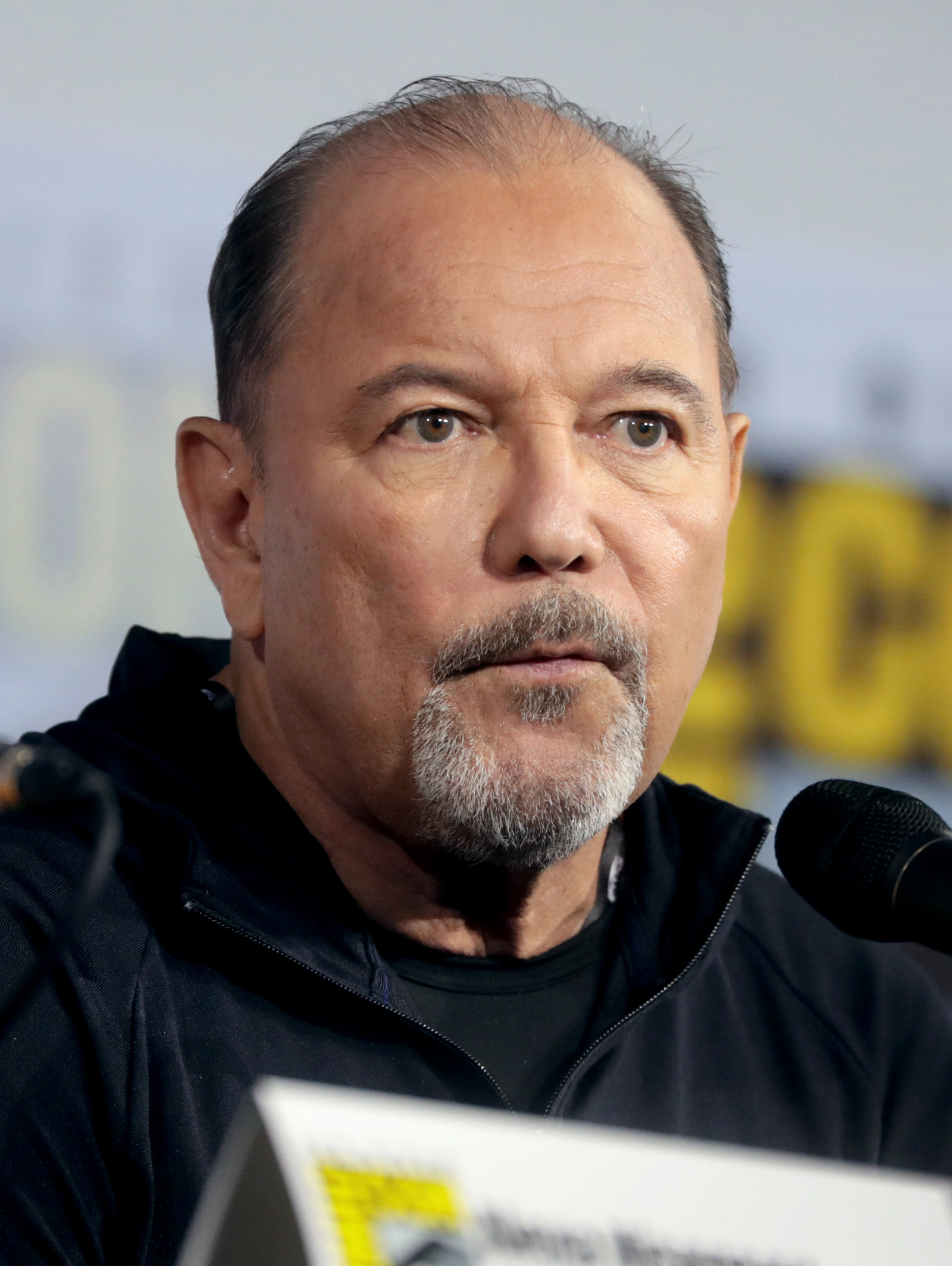
Attr: Gage Skidmore, CC BY-SA 2.0
| 31 Quotes | |
| Born as | Rubén Blades Bellido de Luna |
| Occup. | Musician |
| From | Panama |
| Born | July 16, 1948 Panama City, Panama |
| Age | 77 years |
| Cite | |
Citation Formats
APA Style (7th ed.)
Ruben blades biography, facts and quotes. (2026, February 11). FixQuotes. https://fixquotes.com/artists/ruben-blades/
Chicago Style
"Ruben Blades biography, facts and quotes." FixQuotes. February 11, 2026. https://fixquotes.com/artists/ruben-blades/.
MLA Style (9th ed.)
"Ruben Blades biography, facts and quotes." FixQuotes, 11 Feb. 2026, https://fixquotes.com/artists/ruben-blades/. Accessed 22 Mar. 2026.
Early Life and Background
Ruben Blades Bellido de Luna was born on July 16, 1948, in Panama City, in the historic quarter of San Felipe, a neighborhood of balconies, courtyards, and political talk drifting through open windows. “I was born in Panama, the Republic of Panama, on July 16, 1948 in Panama City, in an area called San Felipe”. His childhood unfolded in a country whose identity was sharpened by the Canal Zone, US power, and a constant flow of international news and sailors, which made local life feel simultaneously provincial and globally exposed.At home, music was not an abstraction but a practiced craft. “I was a kid, and I remember my mother singing. She was also a radio soap opera actress, but my mother sang”. That combination - performance and storytelling - became foundational: Blades learned early that a voice could carry character, plot, and moral consequence, and that a popular medium could smuggle serious ideas into everyday listening.
Education and Formative Influences
Blades studied law in Panama, training his mind in argument, evidence, and the language of institutions even as he played and wrote songs. He came of age amid Latin America's Cold War pressures, coups, and insurgencies, and the growing urbanization that produced both new audiences and new anxieties. By the early 1970s he had moved into the wider salsa circuit, first recording in Panama and then reaching toward New York, where the music industry was consolidating a pan-Latin sound at the very moment many artists were asking what that sound could say beyond the dance floor.Career, Major Works, and Turning Points
After arriving in New York, Blades became a key figure at Fania, writing and singing with an ear for street-level detail and a lawyer's precision. His partnership with Willie Colon proved decisive, yielding landmark albums such as Metiendo Mano! (1977) and Siembra (1978), the latter one of salsa's best-selling and most culturally durable records, propelled by narrative songs like "Pedro Navaja" and anthems like "Plastico". In the 1980s he broadened his reach with Seis del Solar and albums including Buscando America (1984), and he expanded into acting with roles that took him from Latin cinema to Hollywood. In the 1990s and 2000s, he alternated between music, film, and public service - most notably as Panama's Minister of Tourism and later as a presidential candidate - while continuing to record, collaborate, and tour, including high-profile returns with Colon that framed their earlier work as a living canon rather than nostalgia.Philosophy, Style, and Themes
Blades' core innovation was to treat salsa as a public forum. Where much dance music prized escape, he insisted on reportage, satire, and moral inquiry, often through characters who feel trapped inside systems they can name but cannot easily change. “I was the first person to come into New York with a Latin American point of view which was also very much influenced by political happenings in Latin America”. That stance reshaped salsa's center of gravity: New York became not just a marketplace but a newsroom of the diaspora, where migration, dictatorship, class resentment, and US policy could be argued in rhyme.His style married barrio speech to careful structure - montuno and coro as the crowd's conscience, brass hits as punctuation, and extended narratives that turned the singer into a novelist. He also understood the risk of being heard but not absorbed, warning, “I think we risk becoming the best informed society that has ever died of ignorance”. The line reads like a private fear turned public maxim: that information without reflection becomes another kind of silence. Even at his most celebratory, Blades wrote as if a song should leave a listener slightly less innocent than before.
Legacy and Influence
Blades endures as the artist who expanded salsa's emotional and intellectual bandwidth - a bridge between the dance hall and the editorial page. He influenced generations of Latin songwriters in salsa, rock en espanol, and Latin hip-hop who took narrative realism and social critique as permissions rather than exceptions. His recordings remain templates for how popular music can carry character, politics, humor, and tenderness without sacrificing rhythm, and his public life - imperfect, debated, and unusually exposed for a musician - reinforced the central claim of his art: that citizenship is not separate from culture, it is one of its main instruments.Our collection contains 31 quotes written by Ruben, under the main topics: Wisdom - Justice - Music - Freedom - Life.
Source / external links