
Sarah McLachlan Biography Quotes 32 Report mistakes
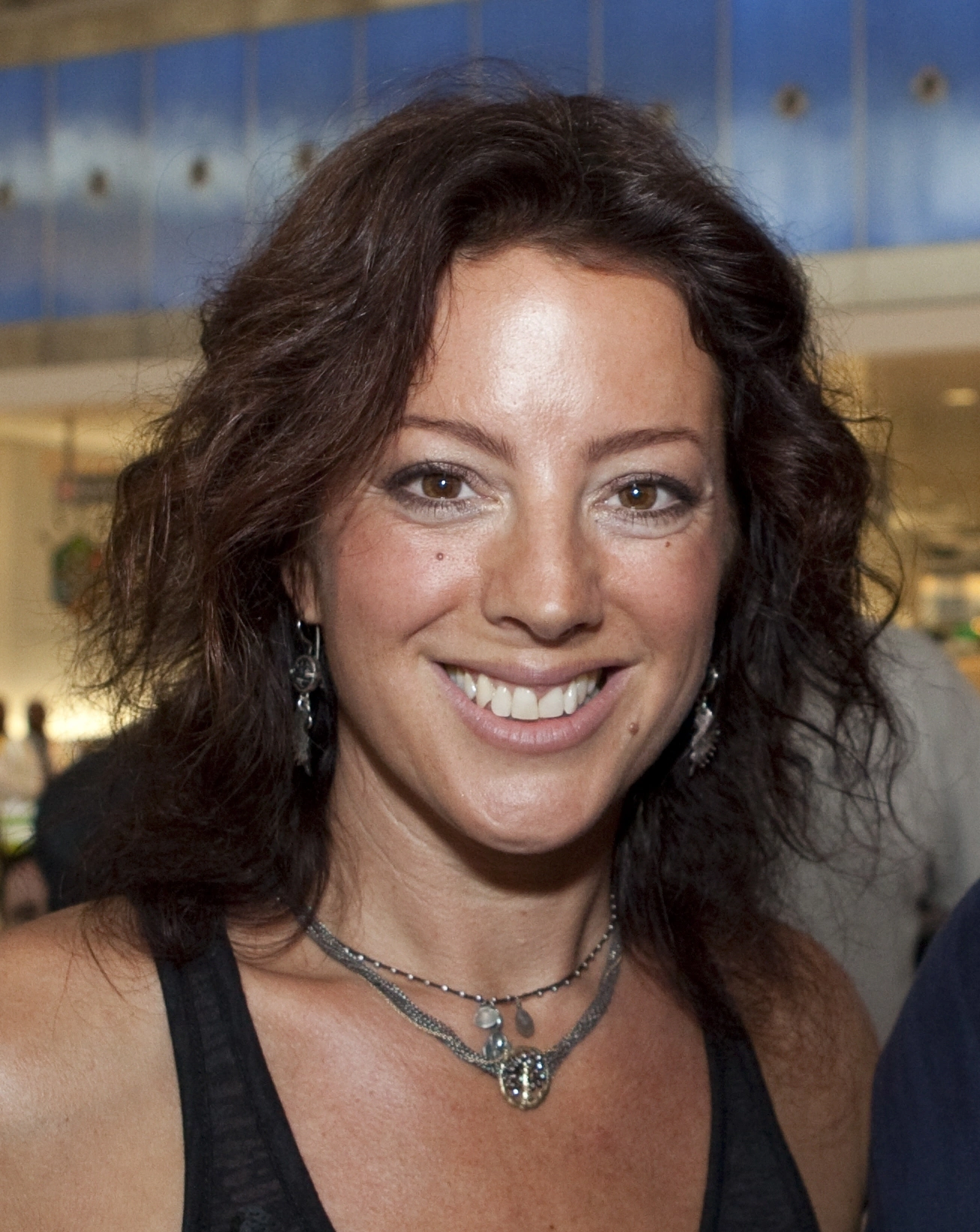
| 32 Quotes | |
| Occup. | Musician |
| From | Canada |
| Born | January 28, 1968 |
| Age | 58 years |
| Cite | |
Citation Formats
APA Style (7th ed.)
Sarah mclachlan biography, facts and quotes. (2026, February 11). FixQuotes. https://fixquotes.com/artists/sarah-mclachlan/
Chicago Style
"Sarah McLachlan biography, facts and quotes." FixQuotes. February 11, 2026. https://fixquotes.com/artists/sarah-mclachlan/.
MLA Style (9th ed.)
"Sarah McLachlan biography, facts and quotes." FixQuotes, 11 Feb. 2026, https://fixquotes.com/artists/sarah-mclachlan/. Accessed 5 Mar. 2026.
Early Life and Background
Sarah Ann McLachlan was born on January 28, 1968, in Halifax, Nova Scotia, and adopted as an infant by Jack and Linda McLachlan, a middle-class couple who encouraged curiosity, reading, and music. Growing up in Canada in the 1970s and early 1980s meant living between two loud cultural currents: the pull of U.S. pop on radio and television, and a distinct Canadian infrastructure of arts education, public broadcasting, and regional touring that could quietly sustain serious young musicians. That tension - between intimacy and mass reach - would become central to her career.She came of age with a temperament that fused discipline with sensitivity. Friends and collaborators have often described her as both shy and exacting, someone who could disappear into a song for weeks and then, onstage, project a voice that felt unguarded. The sense of being both inside and outside the room - observing feeling even while immersed in it - helped shape the emotional clarity that later made her ballads feel confessional without being chaotic.
Education and Formative Influences
McLachlan studied classical guitar, piano, and voice, and attended the Nova Scotia College of Art and Design (NSCAD) in Halifax, a setting that prized experimentation and craft. In the late 1980s Halifax was a small but fertile scene, and her early demos circulated locally until they reached Nettwerk, the Vancouver-based label-management nexus that helped define modern Canadian alternative pop. Signing with Nettwerk placed her in a wider ecosystem that valued artist development, international touring, and studio sophistication - ideal conditions for a songwriter building a sound that relied on control, nuance, and atmosphere.Career, Major Works, and Turning Points
Her debut album, Touch (1988), introduced an ethereal, synth-tinged style that evolved rapidly on Solace (1991), where she leaned into darker textures and more personal writing. A major turning point came with Fumbling Towards Ecstasy (1993), which broke internationally through relentless touring and songs like "Possession" and "Hold On" that married intimacy to propulsion. She became a household name with Surfacing (1997), powered by "Building a Mystery", "Adia", and "Angel", and later consolidated her role as a generational voice with the live album Mirrorball (1999). Parallel to her recording career, she founded Lilith Fair (1997-1999), a touring festival that proved women-led lineups could sell at scale and altered industry assumptions. After marriage and motherhood (two daughters), she returned with Afterglow (2003) and later releases that reflected an adult life negotiated between family, touring, and the demands of a catalog whose songs had become public property.Philosophy, Style, and Themes
McLachlan writes from the belief that emotion is not an ornament but a cost of perception. Her work repeatedly frames love as an exchange that enlarges the self and increases vulnerability, echoing her observation that “If you love large, you've got to hurt large. If you've got a lot of light, you've probably got an equal amount of darkness”. That psychological arithmetic - intensity as a two-sided ledger - helps explain why her biggest songs resist triumphalism: even when the choruses lift, the verses remember what lifting required.Her creative method is similarly anti-macho: she favors patience, revision, and a willingness to wait for the subconscious to catch up with technique. “Trying to force creativity is never good”. is less a platitude than a survival strategy for an artist whose voice is prized for sincerity; forced emotion would read as betrayal. Yet she is not gentle about complacency in the wider world - the moral edge in songs that critique exploitation and indifference aligns with her blunt insistence that “People's ignorance really pisses me off. Stupidity is when you can't help it-ignorance is when you choose not to understand something”. In practice this yields a style that is lush but not escapist: layered production, clean melodic lines, and lyrics that treat empathy as both personal discipline and social stance.
Legacy and Influence
McLachlan endures as one of the defining singer-songwriters of the 1990s adult-alternative era, an artist who proved that softness could be a form of authority. Her vocal control and emotional directness influenced a wide field of pop and indie writers, while Lilith Fair remains a landmark in touring history - not because it created women in music, but because it changed who got to be seen as commercially inevitable. Over decades her songs have become fixtures at weddings, vigils, and solitary late-night listening, a testament to how carefully she translated private feeling into communal language without dulling its edges.Our collection contains 32 quotes written by Sarah, under the main topics: Witty One-Liners - Art - Love - Music - Writing.
Other people related to Sarah: Meredith Brooks (Musician), Clive Davis (Businessman)
Source / external links