
Sebastian Bach Biography Quotes 31 Report mistakes
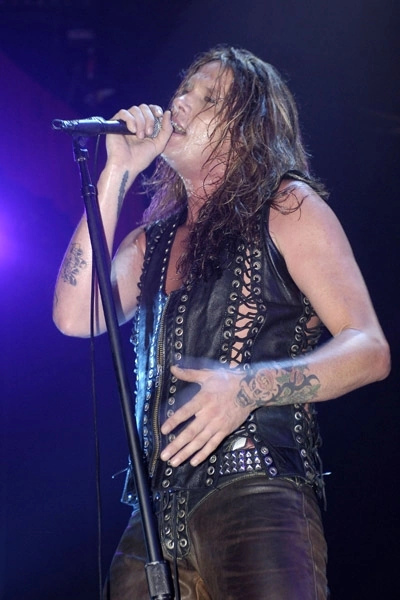
| 31 Quotes | |
| Born as | Sebastian Philip Bierk |
| Occup. | Musician |
| From | Canada |
| Born | April 3, 1968 Freeport, Bahamas |
| Age | 57 years |
| Cite | |
Citation Formats
APA Style (7th ed.)
Sebastian bach biography, facts and quotes. (2026, February 11). FixQuotes. https://fixquotes.com/artists/sebastian-bach/
Chicago Style
"Sebastian Bach biography, facts and quotes." FixQuotes. February 11, 2026. https://fixquotes.com/artists/sebastian-bach/.
MLA Style (9th ed.)
"Sebastian Bach biography, facts and quotes." FixQuotes, 11 Feb. 2026, https://fixquotes.com/artists/sebastian-bach/. Accessed 12 Feb. 2026.
Early Life and Background
Sebastian Bach was born Sebastian Philip Bierk on April 3, 1968, in Freeport, in the Bahamas, to Canadian parents and was raised primarily in Peterborough, Ontario. The Canada he grew up in was close enough to the American rock broadcast pipeline to feel every turn in guitar culture - from late-1970s arena rock to the MTV and hard-rock boom of the 1980s - yet far enough to keep a small-town musician hungry, improvisational, and self-reliant. That tension between provincial roots and global ambition became a defining pressure in his inner life: he wanted the grand stage, but he trusted the basement rehearsal more than the boardroom.His home environment pushed him toward performance early, and by adolescence he was already organizing his identity around music as both escape and vocation. Friends and collaborators have often described a personality that mixed humor with stubborn standards - a temperament common to bandleaders who sense, early on, that discipline is the only currency that can buy freedom. In Bach's case, that discipline would later show up as vocal endurance, an insistence on rehearsals, and a willingness to take professional risks even when the market moved elsewhere.
Education and Formative Influences
Bach did not emerge from a conservatory track; his education was the informal, high-volume schooling of rock musicians - records, radio, constant playing, and the competitive apprenticeship of local scenes. He absorbed the melodic and harmonic swagger of classic hard rock and early heavy metal, then learned the theatrical side of fronting a band during the era when image, video, and tour spectacle were becoming inseparable from sound. Those formative influences gave him two lasting instincts: the voice should carry feeling, not just volume, and the song should be memorable enough to survive beyond its hairstyle or decade.Career, Major Works, and Turning Points
Bach rose to international prominence as the lead singer of Skid Row, the New Jersey band that broke through at the end of the 1980s hair-metal wave with the self-titled Skid Row (1989) and the multi-platinum follow-up Slave to the Grind (1991), which famously debuted at No. 1 on the Billboard 200 - a rare achievement for a heavy album at the time. Hits like "18 and Life", "I Remember You", and "Youth Gone Wild" made him a recognizable voice of the era: high, urgent, and emotionally legible. The band then pivoted into harsher territory with Subhuman Race (1995), a stylistic turn that reflected broader industry changes as grunge and alternative rock reshaped radio and budgets. After leaving Skid Row in the mid-1990s, Bach built a solo career, issued records under his own name, toured steadily, and became a familiar media personality, including stage and screen appearances that broadened his audience beyond hard-rock loyalists.Philosophy, Style, and Themes
Bach's inner compass has consistently pointed toward craft and difficulty rather than convenience. He treats singing as a test of both technique and character, a kind of athletic honesty where shortcuts show. That psychology is captured in his blunt artistic preference: "I want to do something creative, not just easy". The line reads less like a slogan than a self-diagnosis - he seems to need resistance to feel alive, which helps explain why he has repeatedly chosen demanding material and punishing tours even when easier money existed elsewhere.His aesthetic worldview also has a protective edge, as if he fears the disappearance of melody and emotional clarity. "I listen to music for emotion and I get zero emotion from rap". Whatever one thinks of the genre line he draws, the deeper point is how he evaluates art: not by fashion or cultural cachet, but by whether it produces feeling in the listener and in himself. That emphasis on affect sits behind his best-known performances, where romantic vulnerability ("I Remember You") and reckless defiance ("Youth Gone Wild") are delivered with the same all-or-nothing conviction. He is equally candid about the long arc of his independence: "I've been solo since 1996, so I've been doing it for a while now". In context, it signals not just chronology but a psychological stance - a willingness to carry the weight of decisions, to keep moving without the shelter of a famous band name, and to define success as stamina.
Legacy and Influence
Bach endures as one of the signature voices of late-1980s and early-1990s hard rock: a frontman who fused pop-ready hooks with metal grit, then survived the genre's commercial downturn by leaning into work ethic and personality rather than nostalgia alone. His performances helped codify the era's model of the singing rock star - athletic range, arena projection, and sincere sentiment - and his post-Skid Row career showed younger musicians a template for longevity: tour, adapt, collaborate, and keep the voice at the center. In the ongoing story of North American hard rock, his influence is less about a single innovation than about a standard - that big songs require bigger commitment, and that commitment can outlast any trend.Our collection contains 31 quotes written by Sebastian, under the main topics: Funny - Art - Music - Father - Aging.
Other people related to Sebastian: Carl Philipp Emanuel Bach (Musician)
Source / external links