
Sheryl Crow Biography Quotes 46 Report mistakes
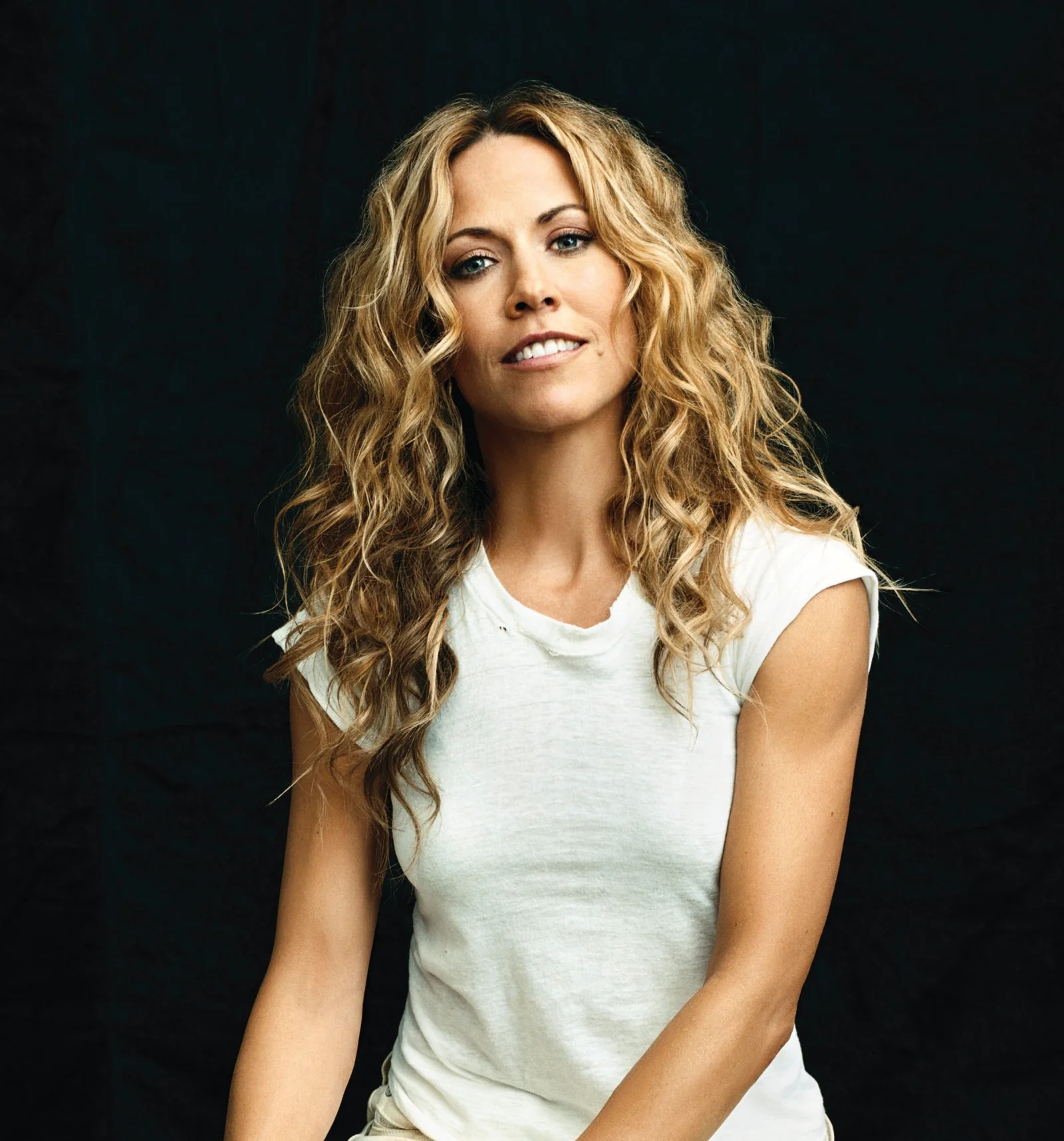
| 46 Quotes | |
| Born as | Sheryl Suzanne Crow |
| Occup. | Musician |
| From | USA |
| Spouse | Lance Armstrong (1998–2003) |
| Born | February 11, 1962 Kennett, Missouri, USA |
| Age | 64 years |
| Cite | |
Citation Formats
APA Style (7th ed.)
Sheryl crow biography, facts and quotes. (2026, February 11). FixQuotes. https://fixquotes.com/artists/sheryl-crow/
Chicago Style
"Sheryl Crow biography, facts and quotes." FixQuotes. February 11, 2026. https://fixquotes.com/artists/sheryl-crow/.
MLA Style (9th ed.)
"Sheryl Crow biography, facts and quotes." FixQuotes, 11 Feb. 2026, https://fixquotes.com/artists/sheryl-crow/. Accessed 5 Mar. 2026.
Early Life and Background
Sheryl Suzanne Crow was born on February 11, 1962, in Kennett, Missouri, and grew up in nearby Kennett in the Bootheel, a flat, agriculture-marked corner of the American South that sat culturally between country radio, church harmony, and Midwestern pragmatism. Her father, Wendell Crow, was a lawyer and trumpet player; her mother, Bernice, taught piano. That mix of civic steadiness and everyday musicianship mattered: Crow later carried a pop star's visibility with a hometown sense of work, restraint, and the knowledge that talent is only one ingredient.As a teenager she sang in school choirs, played piano, and absorbed the era's porous radio borders - rock, soul, and country cohabiting without apology. The late 1970s and early 1980s were also the moment when MTV and studio polish began to redefine what "professional" sounded and looked like. Crow's early life formed a counterweight to that sheen: she learned to value a song that could survive without production, and a voice that sounded like a person rather than a product.
Education and Formative Influences
Crow attended the University of Missouri in Columbia, graduating in 1984 with a degree in music education. She taught music for a time while gigging, a dual life that sharpened her ear for arrangement and her empathy for ordinary routines - the very routines pop music often tries to eclipse. As the 1980s professionalized pop through drum machines and gated reverbs, she studied harmony, ensemble discipline, and the craft of getting singers to breathe together, influences that later surfaced in her layered choruses and band-first instincts.Career, Major Works, and Turning Points
Moving into the industry as a vocalist and writer, Crow gained a crucial apprenticeship touring as a backing singer for Michael Jackson on the Bad tour (late 1980s), learning stadium-scale performance and the economics of modern pop. Her breakthrough arrived with Tuesday Night Music Club (1993), a collaborative Los Angeles writing circle that yielded "All I Wanna Do" and a Grammys-collecting arrival that sounded loose, sunny, and slyly adult. Success was followed by a deliberate tightening of authorship and control on Sheryl Crow (1996) with staples like "If It Makes You Happy" and "Everyday Is a Winding Road", then by The Globe Sessions (1998), which leaned into gritty guitars and earned major awards. Later peaks included "Soak Up the Sun" from C'mon, C'mon (2002), a run of politically and personally pointed writing in the 2000s, and a public confrontation with breast cancer in 2006 that altered her sense of time, privacy, and what work was for - an inward turning that did not remove her from pop but made her more selective about its demands.Philosophy, Style, and Themes
Crow's music sits at a crossroads: classic rock guitar grammar, country storytelling economy, pop hooks, and a singer-songwriter's confessional candidness. She often writes from the stance of an observer who is also implicated - someone enjoying the party while noticing the cost. Her best songs are built on conversational phrasing and a rhythmic pocket that suggests a band playing in a room, even when the production is meticulous. That tension mirrors her public arc: a star who frequently resisted the myth of the untouchable star, choosing instead to sound fallible, funny, and human.Psychologically, Crow's interviews and lyrics return to impermanence and self-scrutiny, a need to stay oriented when fame warps feedback. “You can't be in the public eye without making mistakes and having some regrets and having people analyze everything you do”. The line reads less like complaint than a boundary-setting mantra, acknowledging that exposure is not intimacy and that criticism is a tax on visibility. When she says, “I think everyone became sick of Sheryl Crow. I actually became sick of Sheryl Crow”. she names a rare phenomenon: the artist's fatigue with her own brand, a desire to outrun repetition before it calcifies into parody. Yet her counter-philosophy is gratitude as discipline rather than sentimentality: “It's not having what you want, it's wanting what you've got”. In her songwriting this becomes a recurring move - turning dissatisfaction into melody, and turning the everyday into a chorus that feels like release.
Legacy and Influence
Crow endures as a defining voice of 1990s American pop-rock - an artist who proved that radio-friendly craft could coexist with adult ambiguity, and that a guitar-centered sound could remain mainstream even as trends swung toward maximal pop and hip-hop dominance. Her influence shows in later singer-songwriters who fuse roots textures with polished hooks, and in the way she modeled collaboration without surrendering identity. Beyond charts and awards, her lasting imprint is tonal: a particular blend of warmth, skepticism, and resilience that made her songs feel like companions to real life rather than soundtracks to fantasies.Our collection contains 46 quotes written by Sheryl, under the main topics: Witty One-Liners - Wisdom - Art - Music - Sarcastic.
Other people related to Sheryl: Lance Armstrong (Athlete), Shawn Colvin (Artist)
Source / external links