
Shinichi Suzuki Biography Quotes 14 Report mistakes
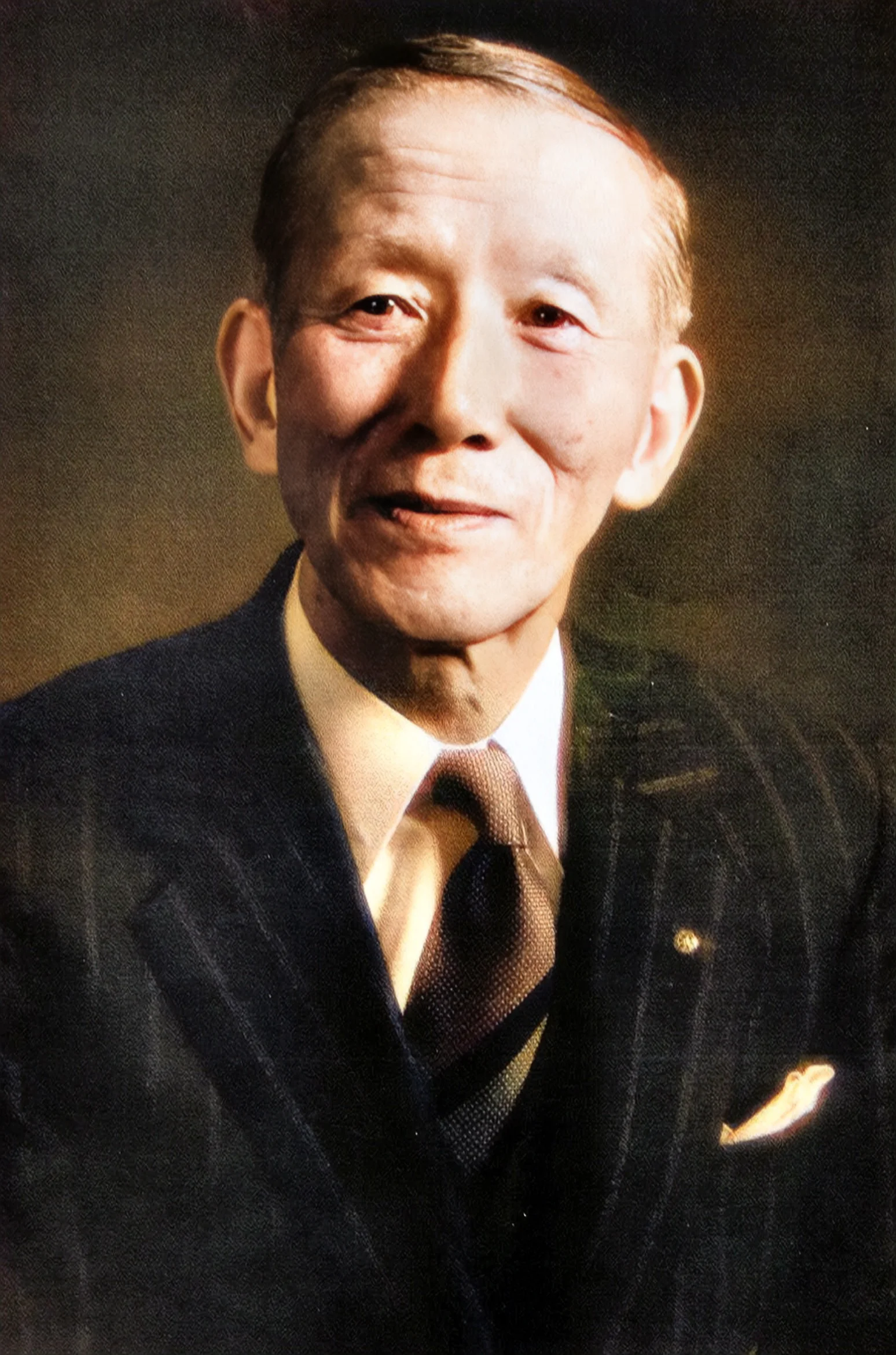
| 14 Quotes | |
| Born as | Shin'ichi Suzuki |
| Occup. | Musician |
| From | Japan |
| Born | October 17, 1898 Nagoya, Japan |
| Died | January 26, 1998 Nagoya, Japan |
| Aged | 99 years |
| Cite | |
Citation Formats
APA Style (7th ed.)
Shinichi suzuki biography, facts and quotes. (2026, February 2). FixQuotes. https://fixquotes.com/artists/shinichi-suzuki/
Chicago Style
"Shinichi Suzuki biography, facts and quotes." FixQuotes. February 2, 2026. https://fixquotes.com/artists/shinichi-suzuki/.
MLA Style (9th ed.)
"Shinichi Suzuki biography, facts and quotes." FixQuotes, 2 Feb. 2026, https://fixquotes.com/artists/shinichi-suzuki/. Accessed 5 Mar. 2026.
Early Life and Background
Shin'ichi Suzuki was born on October 17, 1898, in Nagoya, Aichi Prefecture, into the expanding world of Meiji-to-Taisho Japan, where industry, nationalism, and Western arts were being imported and domesticated at speed. His family owned Suzuki Violin Co., founded by his father Masakichi Suzuki, a pioneering Japanese violin maker. The workshop gave him an intimate, tactile education in sound before he had any technique: wood selection, varnish, the smell of glue, and the idea that tone is built, not wished for.As a boy he did not follow the archetype of a child prodigy. He listened, absorbed, and moved within a household where craft and commerce met music. That slow start became central to his later psychology: he experienced ability not as a gift that arrives fully formed, but as something that can be grown by environment, repetition, and care. The era around him reinforced the lesson. Japan was measuring itself against the West, and musical accomplishment could feel like a referendum on modernity itself - a pressure that Suzuki later redirected from competition toward character.
Education and Formative Influences
Suzuki began violin seriously in late adolescence, largely self-directed at first, and then made the decisive leap to Europe in the early 1920s, studying in Germany, including work associated with Karl Klingler in Berlin. There he encountered the living tradition behind the scores - chamber music discipline, singing tone, and the social life of music-making - as well as the contrast between European conservatory gatekeeping and his own late-blooming progress. He also met Waltraud Prange, whom he married, and returned to Japan with a sharpened sense that artistry was inseparable from how one lived and listened.Career, Major Works, and Turning Points
Back in Japan he performed and taught, co-founding the Suzuki String Quartet in the 1930s and building a reputation as a musician with an educator's temperament. After World War II, amid devastation and moral exhaustion, his work pivoted from performance-centered prestige to what he called Talent Education (Saino Kyoiku): the conviction that rebuilding people mattered as much as rebuilding cities. In the late 1940s he established his base in Matsumoto, Nagano, where the Talent Education Institute and later the Suzuki Method took shape through daily lessons, parent involvement, group classes, and public graduations. International attention rose in the 1960s-1970s through tours, visiting teachers, and the spread of his graded repertoire books and recordings, influencing string teaching worldwide and eventually shaping the founding spirit of the Saito Kinen Festival (later Seiji Ozawa Matsumoto Festival) in his adopted city.Philosophy, Style, and Themes
Suzuki's inner life revolved around a stubborn hope: that education could cultivate goodness through beauty. He framed talent not as heredity but as habitat, insisting that “Man is a child of his environment”. This was not abstract sociology for him; it was autobiography. A late starter raised among instruments, he concluded that what surrounds a child - language, sound, encouragement, expectations - writes itself into the nervous system. His teaching therefore treated the home like a conservatory: parents became practice partners, listening was scheduled like nutrition, and success was measured first in posture, attention, and kindness.Technically, his style emphasized a singing sound, accurate intonation achieved by the ear, and effortless setup before speed. Repetition was not punishment but an ethics of care: small improvements compounded until they became identity, captured by his insistence that “Knowledge is not skill. Knowledge plus ten thousand times is skill”. Yet the method's engine was affection, not fear; he believed stamina came from secure attachment as much as from discipline, and he returned again and again to the proposition that “When love is deep, much can be accomplished”. In this way he folded musicianship into moral education, making tone production, bow hold, and phrasing instruments for shaping patience and empathy.
Legacy and Influence
Suzuki died on January 26, 1998, at 99, after a century that tested his premise that culture can humanize modern life. The Suzuki Method, disseminated through national associations, teacher training, and generations of students, transformed early childhood music education by normalizing very young beginners, structured listening, group performance, and the centrality of parents. It also provoked enduring debate - about rote learning versus reading, conformity versus individuality, and the risks of exporting a culturally specific pedagogy - yet its core insight remains influential: that excellence is teachable when community, repetition, and love are organized with intent. In that sense, Suzuki's most lasting composition was not a score but a social technology for turning sound into character.Our collection contains 14 quotes written by Shinichi, under the main topics: Wisdom - Art - Love - Music - Meaning of Life.
Frequently Asked Questions
- What age is the Suzuki method for? The Suzuki method is designed for children as young as 3 or 4 years old, but it can be used by learners of any age.
- Who invented Suzuki music? The Suzuki method was invented by Shinichi Suzuki.
- Who is Shinichi Suzuki's wife? Shinichi Suzuki's wife was Waltraud Prange.
- What is the Shinichi Suzuki method? The Shinichi Suzuki method is a teaching approach for music that emphasizes learning by ear, early exposure, and parental involvement.
- How old was Shinichi Suzuki? He became 99 years old
Source / external links