
Solomon Burke Biography Quotes 23 Report mistakes
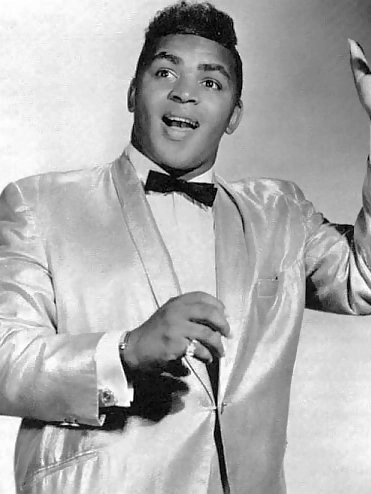
Attr: TeachRock
| 23 Quotes | |
| Known as | King Solomon; King of Rock 'n' Soul |
| Occup. | Musician |
| From | USA |
| Born | March 21, 1940 Philadelphia, Pennsylvania, United States |
| Died | October 10, 2010 Utrecht, Netherlands |
| Aged | 70 years |
| Cite | |
Citation Formats
APA Style (7th ed.)
Solomon burke biography, facts and quotes. (2026, February 11). FixQuotes. https://fixquotes.com/artists/solomon-burke/
Chicago Style
"Solomon Burke biography, facts and quotes." FixQuotes. February 11, 2026. https://fixquotes.com/artists/solomon-burke/.
MLA Style (9th ed.)
"Solomon Burke biography, facts and quotes." FixQuotes, 11 Feb. 2026, https://fixquotes.com/artists/solomon-burke/. Accessed 12 Feb. 2026.
Early Life and Calling
Solomon Burke was born in 1940 in Philadelphia, Pennsylvania, and grew up in a tightly knit, church-centered family that recognized his gifts early. As a child he preached and sang, developing the commanding voice and presence that would define his life. He moved naturally between the pulpit and the stage, a dual calling he never abandoned, and by his teens he was known locally for gospel singing and for speaking to congregations with a maturity far beyond his years.From Gospel Roots to the Recording Studio
Guided by elders in his church and community, Burke began recording in the 1950s, bringing his gospel intensity to secular material without losing his spiritual compass. He found a home at Atlantic Records in the early 1960s, where a creative team that included Jerry Wexler and Ahmet Ertegun recognized his potential to bridge gospel, rhythm and blues, and country. Working closely with producers and songwriters such as Bert Berns, he crafted a sound that paired sanctified fervor with conversational storytelling.The Atlantic Era and Defining Songs
Burke's early hits revealed a singer who could make vulnerability sound mighty. Just Out of Reach (Of My Two Open Arms) introduced his country-soul blend; Cry to Me, Down in the Valley, If You Need Me, Everybody Needs Somebody to Love, and Got to Get You Off My Mind cemented his reputation. The records benefited from crack studio bands and the meticulous ear of Atlantic's production staff, yet it was Burke's phrasing and authority that made them endure. Known onstage as the King of Rock n Soul, he often performed seated on a throne, handing out roses while turning ballrooms into revival tents.Influence, Covers, and Cultural Reach
Burke's songs traveled widely. Everybody Needs Somebody to Love, credited to Burke, Wexler, and Berns, became a staple for The Rolling Stones and later a signature in The Blues Brothers' repertoire, carrying his spirit to new generations. Cry to Me found new life in film, reintroducing his voice to listeners who then sought out the original Atlantic recordings. His combination of grace and grit reshaped soul singing, influencing peers and successors across R&B, rock, and country-soul.Business Acumen and Ongoing Ministry
Even as his chart presence shifted after the mid-1960s, Burke continued to record for various labels and tour relentlessly. He sustained his family through entrepreneurial ventures, notably in funeral services, and remained an active minister and bishop within his church tradition, officiating weddings and funerals and counseling people who came to him as much for spiritual guidance as for music. The balance between stage and sanctuary was not a contradiction for him; it was the core of his identity.Return to the Spotlight
Recognition that never truly left him became formal with his induction into the Rock and Roll Hall of Fame in 2001. A year later, producer Joe Henry gathered a circle of admirers to write for Burke's voice on the album Dont Give Up on Me. Contributions by Tom Waits, Bob Dylan, Van Morrison, and Elvis Costello framed Burke with songs that felt both new and ageless. The Blind Boys of Alabama added harmonies that recalled his gospel roots. The album won a Grammy and affirmed that his authority had only deepened.Late-Career Collaborations
Renewed acclaim led to a string of ambitious projects. With producer Don Was he cut Make Do With What You Got, exploring modern soul with classic instincts. In Nashville, produced by Buddy Miller, he recorded country-soul duets and collaborations that featured voices such as Emmylou Harris and Dolly Parton, further underscoring the ease with which he crossed genre lines. Like a Fire, guided by Steve Jordan, kept him in conversation with contemporary players while honoring his foundational sound. Throughout, he toured internationally, his performances tempered by age but magnified in feeling, the throne now both symbol and necessity.Character, Family, and Presence
Burke's personal life was expansive. A patriarch with a large family, he traveled with relatives and surrounded himself with people who had been part of his journey from early days. Onstage he projected regal warmth; offstage he was remembered for generosity, humor, and an instinct to mediate disputes, shaped by years spent ministering to communities in need. The roses he handed to fans were not a gimmick but an emblem of the way he met audiences one by one, bringing a blessing with the show.Final Years and Legacy
In 2010, as he prepared to perform and to promote a collaborative recording with the Dutch band De Dijk, Burke died while in Amsterdam. The news prompted tributes from musicians across generations, including those who had covered his songs or written for him, and from figures connected to his Atlantic years such as colleagues of Jerry Wexler and admirers of Bert Berns. They cited the preacher's conviction in his phrasing, the businessman's savvy in his career, and the mentor's patience in rehearsal rooms and greenrooms worldwide. His legacy rests on records that sound like lived experience: sermons of love and sorrow, delivered with royal composure and a human touch that made listeners feel seen. In the long arc of American music, Solomon Burke stands as a bridge between the church and the street, between early soul and every form it later inspired, a voice that kept faith with both the sacred and the everyday.Our collection contains 23 quotes written by Solomon, under the main topics: Witty One-Liners - Music - Equality - Gratitude - Human Rights.
Other people related to Solomon: Jerry Wexler (Musician)