
Sophie Ellis Bextor Biography Quotes 8 Report mistakes
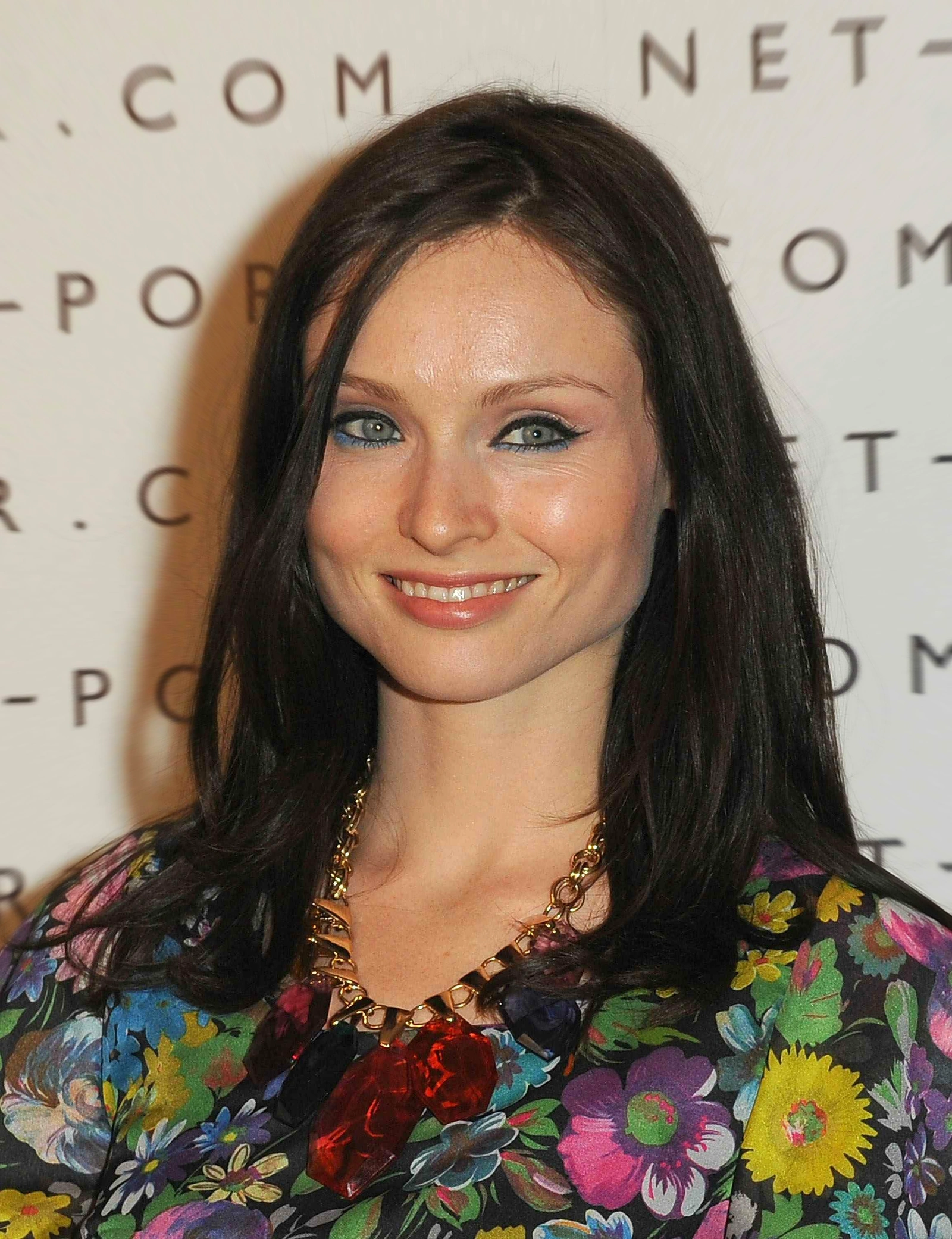
| 8 Quotes | |
| Born as | Sophie Michelle Ellis-Bextor |
| Known as | Sophie Ellis-Bextor |
| Occup. | Musician |
| From | United Kingdom |
| Spouse | Richard Jones |
| Born | April 10, 1979 Hampstead, London, England |
| Age | 46 years |
| Cite | |
Citation Formats
APA Style (7th ed.)
Sophie ellis bextor biography, facts and quotes. (2026, February 11). FixQuotes. https://fixquotes.com/artists/sophie-ellis-bextor/
Chicago Style
"Sophie Ellis Bextor biography, facts and quotes." FixQuotes. February 11, 2026. https://fixquotes.com/artists/sophie-ellis-bextor/.
MLA Style (9th ed.)
"Sophie Ellis Bextor biography, facts and quotes." FixQuotes, 11 Feb. 2026, https://fixquotes.com/artists/sophie-ellis-bextor/. Accessed 12 Feb. 2026.
Early Life and Background
Sophie Michelle Ellis-Bextor was born on April 10, 1979, in London, England, into a household where performance was not an abstraction but a daily language. Her mother, Janet Ellis, was a familiar face in British television, while her father, Robin Bextor, worked in film and broadcast production. That combination - front-of-camera charisma and behind-the-scenes craft - helped form a child who understood early that pop culture was made, staged, edited, and then sold back as "natural" personality.Growing up in late-1980s and 1990s Britain also meant absorbing a rapidly shifting musical landscape: post-punk aftershocks, Britpop swagger, the rise of club culture, and the polished internationalism of MTV-era pop. Ellis-Bextor developed a public poise that could read as cool detachment, but it was also a kind of self-protection - an instinct to control the frame around her. Even before she was famous, she was learning to negotiate visibility: what to show, what to stylize, and what to keep private.
Education and Formative Influences
She attended St. Stephen's College in Chelsea and later studied modern history at the University of Reading, an academic track that quietly matters to her artistry: it encouraged a sense of eras, revivals, and the way styles recur with new meanings. In parallel, she sang and wrote as a teenager in London, drawn to alternative scenes as much as chart pop, and became known for a voice that could cut through dense instrumentation with clipped precision and a cool, unforced melodicism.Career, Major Works, and Turning Points
Ellis-Bextor first gained attention as the lead singer of the indie band theaudience, whose late-1990s momentum ended abruptly - a formative disappointment that sharpened her resolve. Her real breakthrough came when her vocal featured on Spiller's 2000 dance hit "Groovejet (If This Ain't Love)", a perfect intersection of UK club euphoria and mainstream radio. She seized the moment with her solo debut album, Read My Lips (2001), propelled by "Murder on the Dancefloor", and established a signature: chic, slightly arch pop that treated nightlife not just as escapism but as theater. Over the 2000s she sustained a career across shifting industry models with albums including Shoot from the Hip (2003), Trip the Light Fantastic (2007), and later Wanderlust (2014), balancing dance-pop with more orchestral, songwriter-forward material. A second-wave public surge arrived during the COVID-19 lockdowns when her "Kitchen Disco" performances brought her catalog to new audiences, turning domestic space into a stage and reaffirming her as a durable live personality rather than a period-specific pop artifact.Philosophy, Style, and Themes
At the core of Ellis-Bextor's persona is an artist who understands image as both invitation and armor. She often frames glamour as a tool - not simply sex appeal, but control over narrative and mood. "I've always been drawn to a bit of glamour and the theatrical side of things". That theatrical instinct connects her to a lineage of British pop stylists who treat performance as character work, where wit, poise, and heightened aesthetics can express vulnerability without surrendering it. Her early anxiety about how she would be read - especially in a culture quick to flatten women into archetypes - gave her a measured public stance, more knowing than confessional, more curated than chaotic.Musically, she has resisted being pinned to a single template, partly because the dancefloor itself keeps changing, and partly because her temperament prefers evolution to repetition. "I've always been a bit of a chameleon with my music, and I love exploring different styles and sounds". Even when she leans into disco, house, or electro-pop, her songs tend to hold a faintly dramatic edge: minor-key turns, lyrical hints of threat beneath the glitter, and a voice that can sound amused while delivering longing. Underneath the sheen is a pragmatic hedonism - pleasure without self-destruction, discipline without puritanism - captured in her attitude that "Life's too short not to enjoy it, and you never know what's around the corner". The psychology that emerges is one of deliberate self-authorship: she returns again and again to the idea that joy is earned through choices, staging, and nerve.
Legacy and Influence
Ellis-Bextor's lasting impact lies in how she bridged the indie-to-club crossover at a key turn-of-the-millennium moment and then outlasted the cycle that created it. She helped define a strand of British pop in which intelligence, irony, and elegance could coexist with unabashed dance music, and her catalog has proven unusually reusable: "Murder on the Dancefloor" in particular has remained a cultural touchstone, reinvigorated across generations by playlists, film and television placements, and the contagious simplicity of its hook. Her lockdown-era resurgence further reframed her legacy as participatory and communal - a performer who can translate glamour to any room, and who turned the pop star apparatus into something human-scaled without losing the sparkle.Our collection contains 8 quotes written by Sophie, under the main topics: Motivational - Music - Live in the Moment - Health - Confidence.
Source / external links