
Stefano Langone Biography Quotes 6 Report mistakes
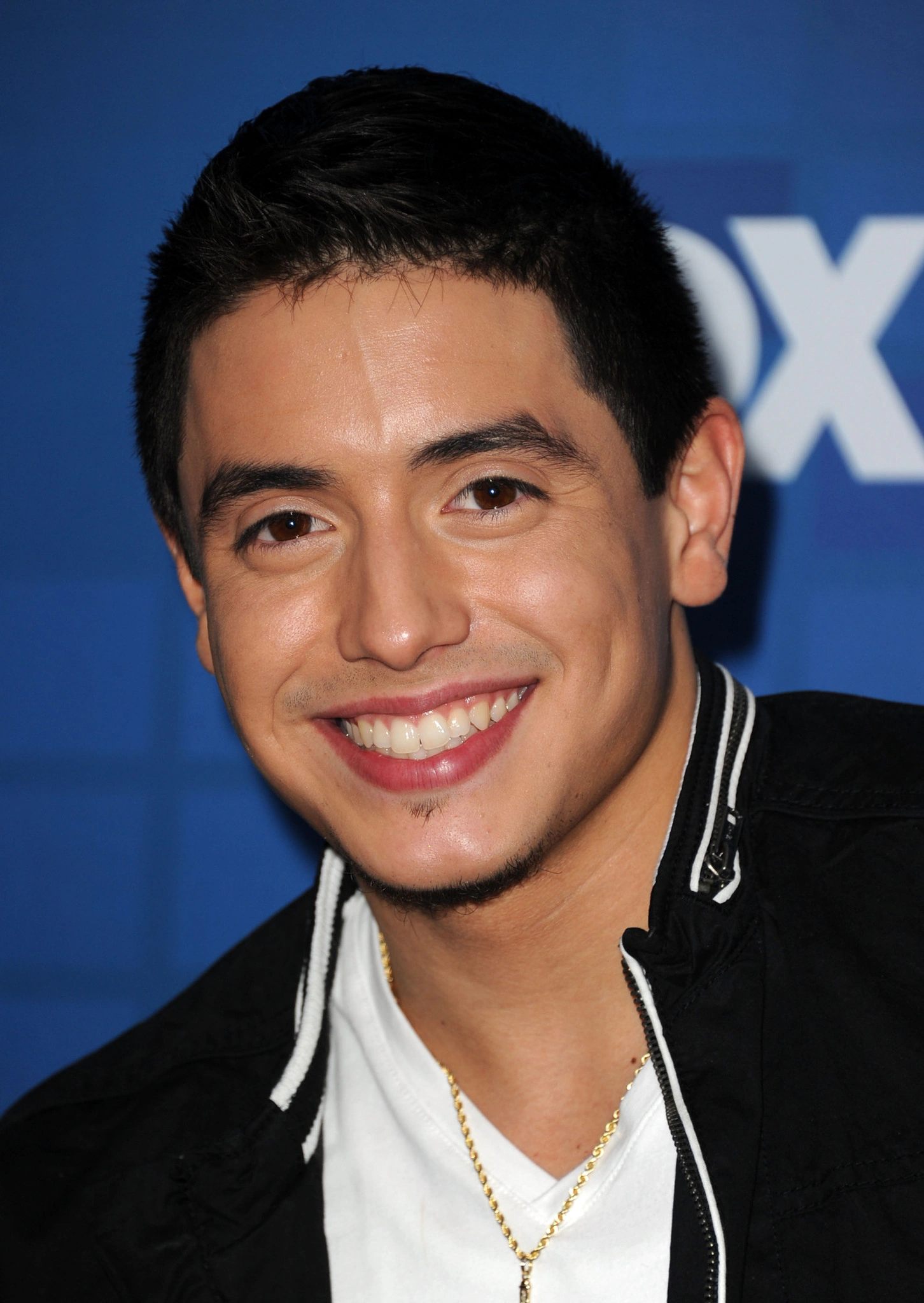
| 6 Quotes | |
| Occup. | Musician |
| From | USA |
| Born | February 27, 1989 Kent, Washington, USA |
| Age | 37 years |
| Cite | |
Citation Formats
APA Style (7th ed.)
Stefano langone biography, facts and quotes. (2026, February 11). FixQuotes. https://fixquotes.com/artists/stefano-langone/
Chicago Style
"Stefano Langone biography, facts and quotes." FixQuotes. February 11, 2026. https://fixquotes.com/artists/stefano-langone/.
MLA Style (9th ed.)
"Stefano Langone biography, facts and quotes." FixQuotes, 11 Feb. 2026, https://fixquotes.com/artists/stefano-langone/. Accessed 6 Mar. 2026.
Early Life and Background
Stefano Langone was born February 27, 1989, in the United States, part of a generation that came of age with YouTube discovery, reality-television stardom, and a music business rapidly shifting from radio gatekeepers to shareable clips and instant fandoms. His public story begins not in a long-established scene but in the pressure-cooker ecosystem of televised competition, where identity is assembled in real time and where a singer is asked to compress years of private practice into a few minutes that must read as destiny.Langone has often been framed as an underdog - a vocalist whose breakthrough depended on resilience as much as raw tone. That framing matters because it suggests an inner narrative: perseverance as self-definition. In a culture that rewards the quick hook and punishes hesitation, he learned to make steadiness itself compelling, turning nerves, doubt, and hope into performance fuel rather than visible weakness.
Education and Formative Influences
Langone developed as a singer during a period when aspiring musicians increasingly trained themselves across genres and platforms, borrowing technique from pop, gospel, and classical stylings while learning stagecraft from televised performance. His formative influences, as he has described them through his musical preferences and choices, point toward a hybrid sensibility: the emotional directness of contemporary R and B coupled with the breath control and dramatic arc associated with operatic tradition, a mix that prizes both vulnerability and command.Career, Major Works, and Turning Points
His major career turning point came with his run on American Idol (season 10, 2011), where he became known nationally through weekly performances that demanded rapid adaptation, song-by-song reinvention, and the ability to survive public judgment. Idol-era visibility functioned as both launchpad and crucible: it granted reach but also fixed him in an edit-driven narrative where every high note could be treated as a referendum on worth. In the years after the show, his challenge - like many alumni of the format - was to convert mass exposure into a sustainable artistic identity, building credibility beyond the competition stage while protecting the private voice that existed before the cameras.Philosophy, Style, and Themes
Langone's artistic psychology centers on authenticity under scrutiny. He has articulated a desire not merely to impress but to transmit something unmanufactured: “I hope they see the genuine side of me, of my music, of my voice. I hope that they feel me. I hope that what I sing and what I say really gets across to the viewer because everything that comes out is true”. In the context of a televised talent pipeline, that insistence reads as self-defense and self-clarification - a way to resist being reduced to a type. The line implies a performer who experiences singing as confession, and who measures success by emotional accuracy rather than spectacle.His approach to pressure is similarly pragmatic, revealing a mindset built for incremental survival instead of glamorous chaos: “The first thing you have to do is take everything with a grain of salt. You know, you've gotta just look at the goal, focus on what you gotta do and take one step at a time as a whole, as every performance being that's it, that's one objective, and let's just move forward and work on that”. That philosophy maps onto his style: controlled phrasing, a preference for clear melodic lines, and performances structured as a sequence of attainable moments. Even his genre instinct is hybrid and aspirational rather than narrow - “My favorite type of music to sing would be between R and B and opera”. - suggesting a singer drawn to the emotional grain of modern soul but also to the stamina, lift, and theatricality that classical technique symbolizes. The blend hints at a deeper theme: the wish to be both intimate and larger-than-life, to deliver personal truth with formal power.
Legacy and Influence
Langone's enduring significance lies in how his career reflects the early-2010s musician's predicament: sudden visibility, constant evaluation, and the ongoing task of proving that a television moment can contain a real artist. For audiences, he represents a model of sincerity-as-craft - a performer who treats vulnerability as disciplined work rather than a marketing pose. For younger singers watching the era that shaped him, his story remains a case study in turning mass exposure into a long game: staying grounded, singing from a place that feels lived-in, and insisting that the person behind the performance is not an accessory to the show but the reason the voice matters.Our collection contains 6 quotes written by Stefano, under the main topics: Never Give Up - Music - Meaning of Life - Live in the Moment - Goal Setting.
Source / external links