
Suzanne Vega Biography Quotes 26 Report mistakes
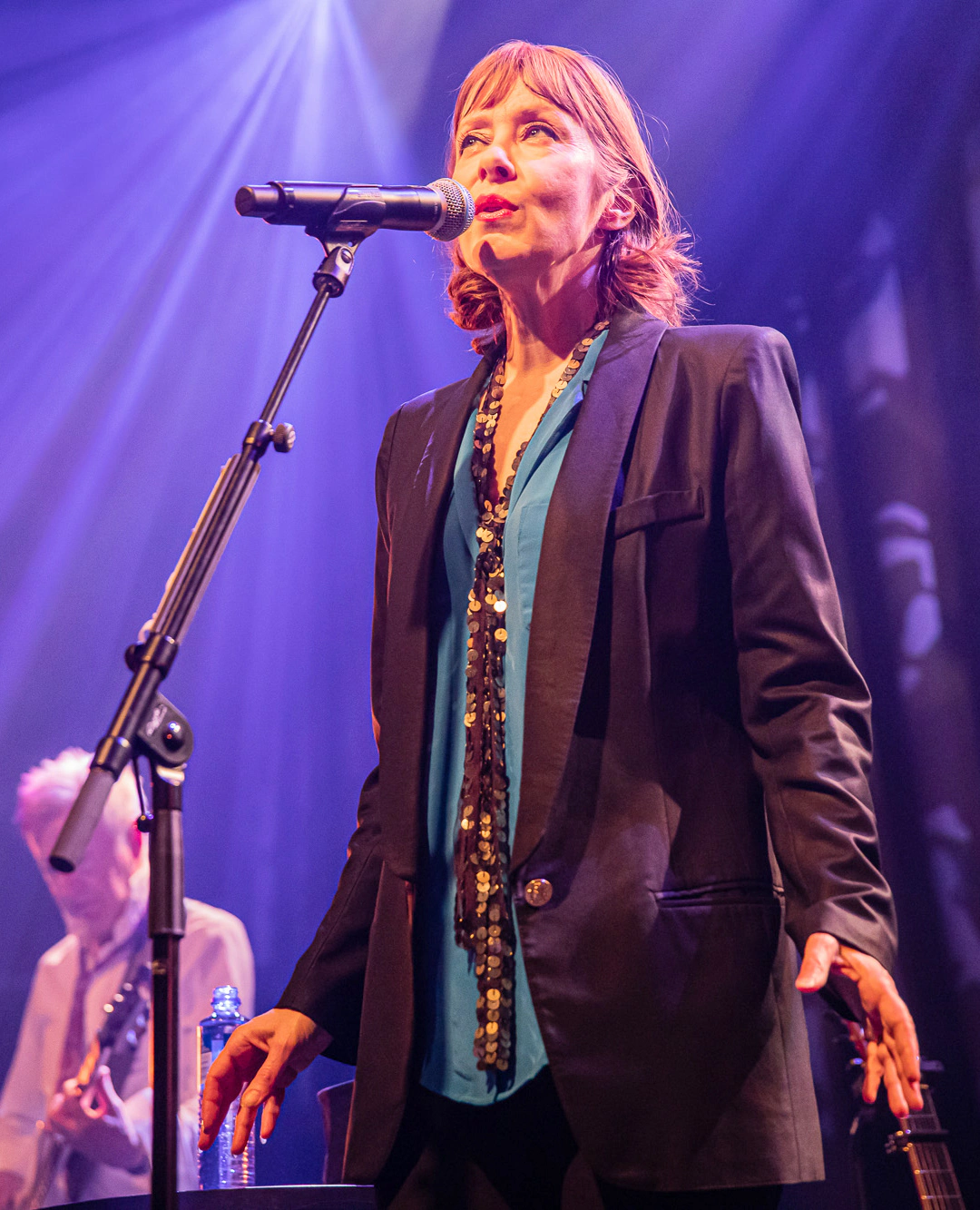
Attr: Johannes Andersen
| 26 Quotes | |
| Born as | Suzanne Nadine Vega |
| Occup. | Musician |
| From | USA |
| Spouse | Paul Mills (1995–2014) |
| Born | July 11, 1959 Santa Monica, California, USA |
| Age | 66 years |
| Cite | |
Citation Formats
APA Style (7th ed.)
Suzanne vega biography, facts and quotes. (2026, February 11). FixQuotes. https://fixquotes.com/artists/suzanne-vega/
Chicago Style
"Suzanne Vega biography, facts and quotes." FixQuotes. February 11, 2026. https://fixquotes.com/artists/suzanne-vega/.
MLA Style (9th ed.)
"Suzanne Vega biography, facts and quotes." FixQuotes, 11 Feb. 2026, https://fixquotes.com/artists/suzanne-vega/. Accessed 6 Mar. 2026.
Early Life and Education
Suzanne Nadine Vega was born on July 11, 1959, in Santa Monica, California, and moved to New York City as a young child. Raised in Spanish Harlem and on the Upper West Side, she grew up in a household where books and art were central. Her mother, Pat Vega, nurtured an atmosphere of curiosity, and her stepfather, the Puerto Rican novelist Edgardo Vega Yunque, became a formative influence; she took his surname and credits the literary sensibility of her home with shaping her approach to songwriting. Vega began writing poems and songs in her early teens and studied modern dance at New York's High School of Performing Arts before earning a degree in English at Barnard College, laying a foundation for the precise, literate storytelling that would define her music.Finding a Voice in New York
While still in college, Vega immersed herself in the Greenwich Village folk scene. She performed at open mics and clubs like Folk City and joined the community around Jack Hardy's Fast Folk collective, a crucial incubator for songwriters who valued craft and narrative clarity. Through this circle she honed a spare, evocative style, supported by collaborators who would become important to her early recordings, including producer-engineer Steve Addabbo and guitarist-producer Lenny Kaye. Their shared goal was to frame her voice and lyrics with uncluttered arrangements that put story first.Breakthrough
Her self-titled debut album, released in 1985, introduced a new urban folk voice. The single Marlene on the Wall helped her find an audience on college and international radio, and the album's intimate production established the template for her early work. The follow-up, Solitude Standing (1987), vaulted her to global recognition. Luka, sung from the perspective of an abused child, became a landmark pop song for its unflinching subject matter and empathetic storytelling, and established Vega as a writer willing to tackle difficult themes with restraint and clarity. The album also included Tom's Diner, an a cappella vignette set in a Manhattan cafe; its later remix by the British duo DNA became a worldwide hit in 1990. The clarity of Vega's voice on the original recording led audio researcher Karlheinz Brandenburg to use Tom's Diner as a test track in the development of the MP3, an unexpected intersection of her work with the history of digital sound.Expanding Her Palette
Vega's reach extended beyond her albums. She contributed Left of Center, featuring Joe Jackson on piano, to the soundtrack of Pretty in Pink (1986), signaling her comfort at the boundary where folk sensibility meets pop culture. She continued releasing albums that broadened her sonic world: Days of Open Hand (1990) deepened her lyrical introspection, while 99.9F degrees (1992) embraced textured, percussive, and electronic elements under the production of Mitchell Froom. Nine Objects of Desire (1996) followed, weaving intimate narratives with inventive arrangements. During this period she married Froom; their daughter, Ruby Froom, was born in the mid-1990s. Longtime bassist and musical director Mike Visceglia anchored her live sound, contributing to the clarity and poise that became hallmarks of her concerts.New Directions and Independent Streak
After a return to sparer sonics with Songs in Red and Gray (2001), produced with Rupert Hine, Vega renewed her focus on storytelling, reflection, and emotional nuance. Beauty & Crime (2007), produced by Tony Visconti, distilled her relationship with New York City into a suite of finely etched songs about memory, resilience, family, and place. Its elegant production and writing earned widespread acclaim and recognition for its engineering. In these years Vega also reconnected with the independence of the folk circuit, touring widely and collaborating selectively while maintaining strong control over her catalog and artistic choices.Revisiting the Catalog and Stage
Between 2010 and 2012, Vega released the Close-Up series, re-recordings of her songs grouped thematically to foreground lyrics and voice. The project offered fresh perspectives on material from across her career and highlighted the minimalism at the core of her writing. Her interest in literature and theater culminated in a long-gestating project about the novelist Carson McCullers; she developed a one-woman theatrical piece and later recorded its music as Lover, Beloved: Songs from an Evening with Carson McCullers. Vega also engaged with contemporary producers and artists beyond the folk world, notably lending her voice and lyrics to The Man Who Played God on the Danger Mouse and Sparklehorse project Dark Night of the Soul, a collaboration that linked her to the creative orbit of Brian Burton (Danger Mouse) and the late Mark Linkous.Later Work and Ongoing Influence
Vega continued to write and record with a steady, deliberate pace. Tales from the Realm of the Queen of Pentacles (2014) blended her narrative eye with layered, acoustic-electric textures, and she returned to New York stories on An Evening of New York Songs and Stories (2020), a live set that captured the intimacy of her stage presence. Guitarist and arranger Gerry Leonard became a frequent onstage collaborator, adding atmospheric detail around her voice in concert settings. In her personal life she later married attorney and poet Paul Mills, a longtime friend, and maintained close ties with the musicians and producers who helped shape her sound from the beginning, including Steve Addabbo and Mike Visceglia.Legacy
Across decades, Suzanne Vega has remained a singular figure: a songwriter who pairs conversational vocals with literary precision; a New York chronicler who treats small moments as portals to larger truths; an artist whose work comfortably crosses boundaries between folk, pop, and the avant-garde. The people around her have been integral to that constancy: mentors like Jack Hardy; studio partners like Lenny Kaye, Steve Addabbo, Mitchell Froom, Rupert Hine, and Tony Visconti; bandmates like Mike Visceglia and Gerry Leonard; and collaborators as varied as DNA, Joe Jackson, and Danger Mouse. Her songs, from Luka to Tom's Diner, continue to circulate in both cultural memory and technological history, a reminder that intimate stories can resonate widely and endure.Our collection contains 26 quotes written by Suzanne, under the main topics: Truth - Art - Music - Writing - Reason & Logic.
Other people related to Suzanne: Shawn Colvin (Artist)
Source / external links